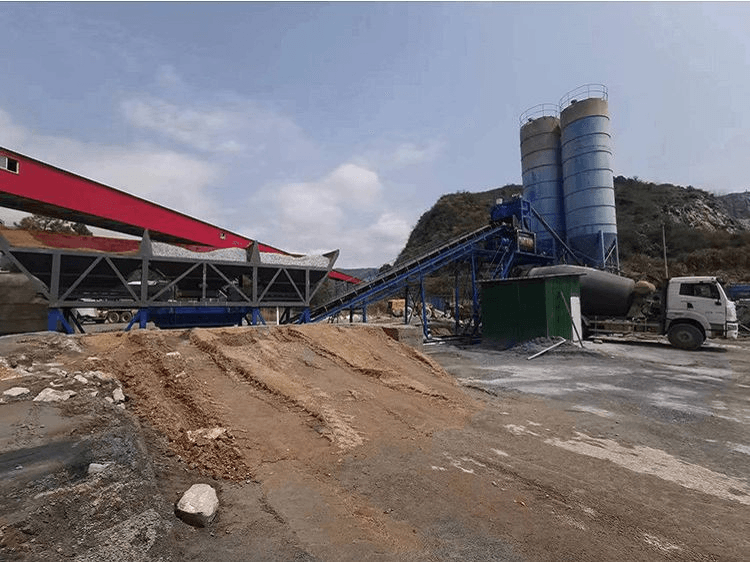
Concrete Batching Plant Maintenance: The Run-In Guide
Don't let early-stage neglect cut your plant's lifespan by 50%. Master the critical 'run-in' phase.
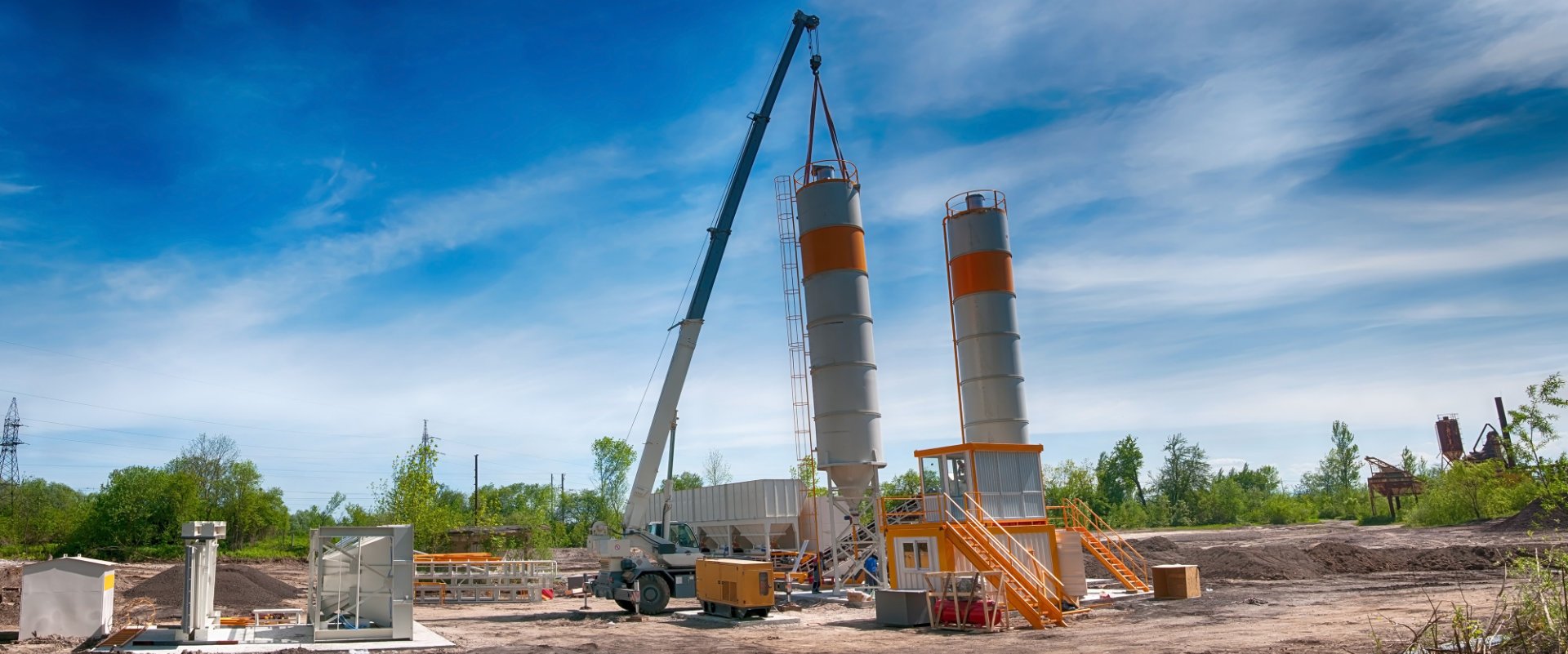
Investing in a new concrete batching plant is a significant capital commitment. However, many project managers overlook the most critical stage of the equipment's lifecycle: the "run-in" period. Just as a high-performance vehicle requires a break-in phase, industrial mixing equipment requires specialized attention during its first 100–500 hours of operation to ensure long-term ROI and structural integrity.
1. Technical Familiarization & Documentation
The transition from installation to full-scale production is where most operator errors occur. It is vital that the technical team does not treat the plant as a "black box." Operators must be intimately familiar with the specific manual for their model—whether it’s a stationary HZS90 or a mobile YHZS series—paying close attention to electrical schematics and load cell calibration procedures.
2. Precision Calibration and Mechanical Tightening
During the initial weeks of operation, the vibration from high-torque mixing and aggregate conveying can lead to "initial settling." This makes the following checks mandatory:
- Instrument Accuracy: Recalibrate weighing sensors for cement, water, and additives after the first 50 batches to account for mechanical settling.
- Fastener Integrity: Check the torque on all critical bolts, especially those on the JS-series twin-shaft mixer support frame and the discharge gate.
- Seal Tightness: Inspect the shaft-end seals to prevent grout leakage, which can cause premature bearing failure.
3. The Vital Role of Lubrication
Friction is the primary enemy of heavy machinery. In harsh environments—from the high-heat regions of the Middle East to the humid climates of Southeast Asia—proper lubrication is a survival requirement. Lubricating oil and grease must be applied to all pivot points, gears, and bearings before the first start-up of the day to prevent metal-on-metal wear during high-load cycles.
| Component | Maintenance Action | Frequency (Run-in Phase) |
|---|---|---|
| Mixer Shaft Seals | Manual grease injection | Every 4 hours of operation |
| Conveyor Belt Rollers | Inspection and lubrication | Weekly |
| Air Compressor | Drain condensate & check oil | Daily |
| Weighing Hoppers | Check for free movement | Daily |
4. Post-Operational Cleaning Protocols
Residual concrete is not just a cleanliness issue; it is a mechanical hazard. Hardened buildup on the mixing blades or the inner drum wall increases the motor's starting torque and reduces mixing efficiency. At the end of every shift, a thorough high-pressure wash-down is required to maintain the JS1000/2000 mixer’s rated capacity and prevent "dead zones" in the mixing chamber.
By implementing these rigorous maintenance standards early, you ensure your Xingye Machinery equipment operates at peak efficiency with a significantly lower Total Cost of Ownership (TCO). For detailed maintenance manuals or spare parts kits, contact our technical support department.
Related Posts :