Concrete Plant Safety: The 3-Phase Operational Protocol
Engineering a safer job site: Essential safety and maintenance steps for HZS and JS-series equipment.
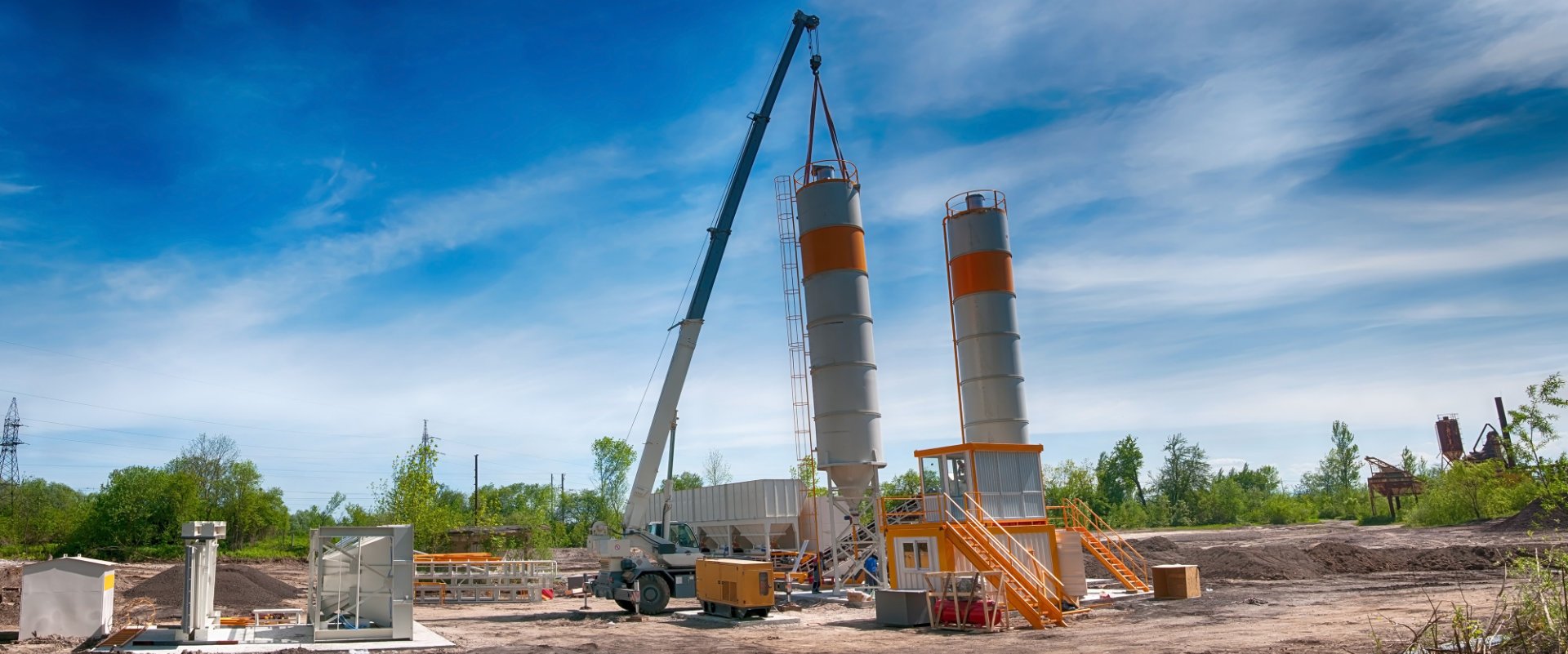
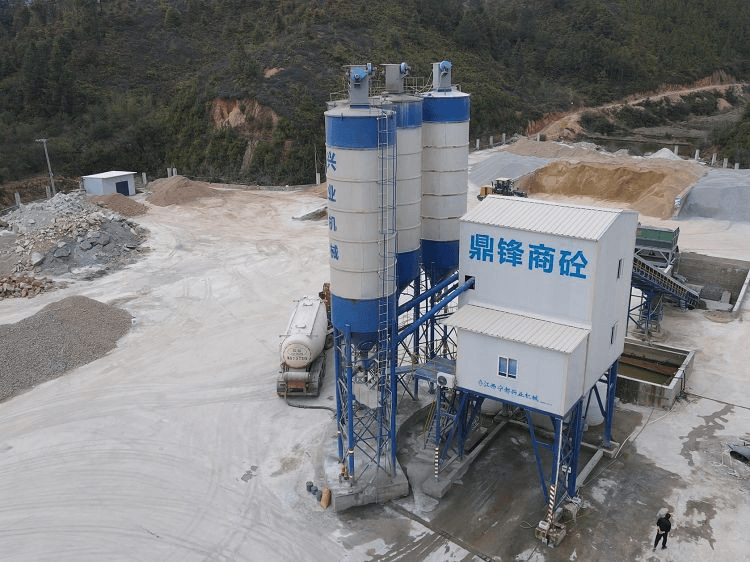
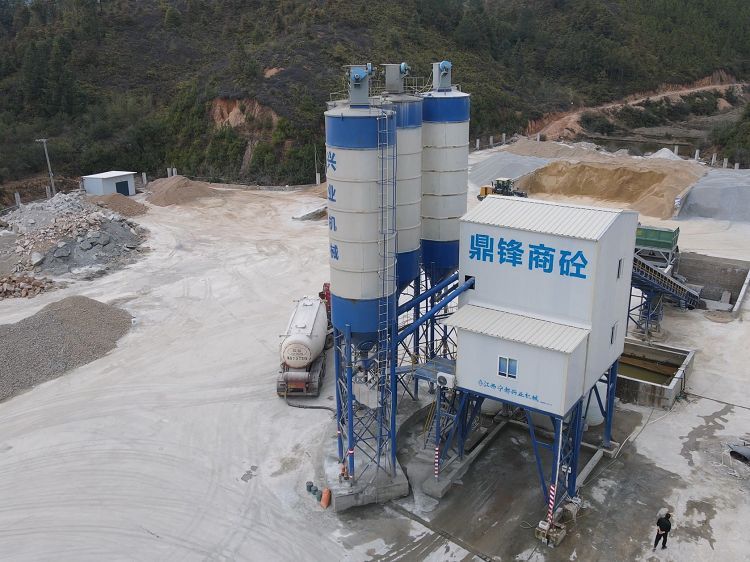
Zhengzhou, June 2024 — Safety in concrete production isn't just about compliance; it is the foundation of operational efficiency. For project managers across the Middle East and Southeast Asia, equipment downtime caused by improper operation is a leading cause of budget overruns. Xingye Machinery's engineering team outlines the mandatory 3-phase safety protocol for all HZS-series batching plants and JS-series mixers.
Every Xingye installation must be commissioned under the guidance of authorized technical personnel. Once performance indicators are verified, operators must adhere to the following technical standards to ensure 10,000+ hours of Mean Time Between Failures (MTBF).
Phase 1: Pre-Operation Technical Inspection
Before the first batch of the day, a systematic check of the plant’s mechanical and pneumatic integrity is required. Failure to perform these checks often leads to "calibration drift," especially in humid Southeast Asian climates.
| System | Critical Checkpoint | Technical Requirement |
|---|---|---|
| Pneumatic | Air-water separator & storage cylinder | Drain accumulated oil-water mixture; check for pressure leaks. |
| Mechanical | JS-series mixer barrel & skip hoist | Verify zero foreign object obstruction; check wire rope tension and brake flexibility. |
| Lubrication | Smooth oil tanks | Ensure oil levels meet manufacturer specifications for high-friction parts. |
| Electronic | Weighing sensors & control valves | Confirm accuracy within ±1-2% margin; check for bolt tightness on all load cells. |
Phase 2: Operational Safety & Load Management
During active mixing, the primary risks involve mechanical entrapment and motor burnout. Our engineering team emphasizes these non-negotiable rules:
- Strict Exclusion Zones: Personnel must never enter the aggregate storage area or stand beneath the lifting bucket while the plant is energized.
- Emergency Power Loss: If a power failure occurs while the JS-series mixer is fully loaded, the operator must immediately lock out the switch box and manually shovel the concrete from the mixing bucket. Attempting to restart a fully loaded, seized mixer will result in motor failure.
- Load Monitoring: Constantly monitor motor temperature and acoustic signatures. If abnormal vibration occurs—common when handling large-diameter aggregates—stop the machine immediately to prevent shaft damage.
Phase 3: Post-Operation & Regional Maintenance
The longevity of a concrete plant is determined by how it is shut down. Residual cement in the screw conveyor or mixing arms will harden, leading to significant torque issues during the next start-up.
Winterization & Cold Climate Care
For our clients in Eastern Europe and Central Asia, the "freezing season" protocol is vital. Operators must drain all fluids from the water pumps, additive pumps, and tanks. Running the pumps for 1-2 minutes while empty ensures no residual moisture remains to expand and crack the casings in sub-zero temperatures.
After cleaning all components to ensure weighing accuracy for the next shift, ensure all switches and pipelines are closed in the sequence specified in your technical manual. For more detailed maintenance schedules or to download the CAD layout for our latest HZS-series plants, contact our technical support team.
Related Posts :