Concrete Mixer Maintenance: 4 Critical Checkpoints for Peak Performance
Prevent costly downtime and extend equipment life with these essential engineering maintenance protocols for HZS and JS-series plants.
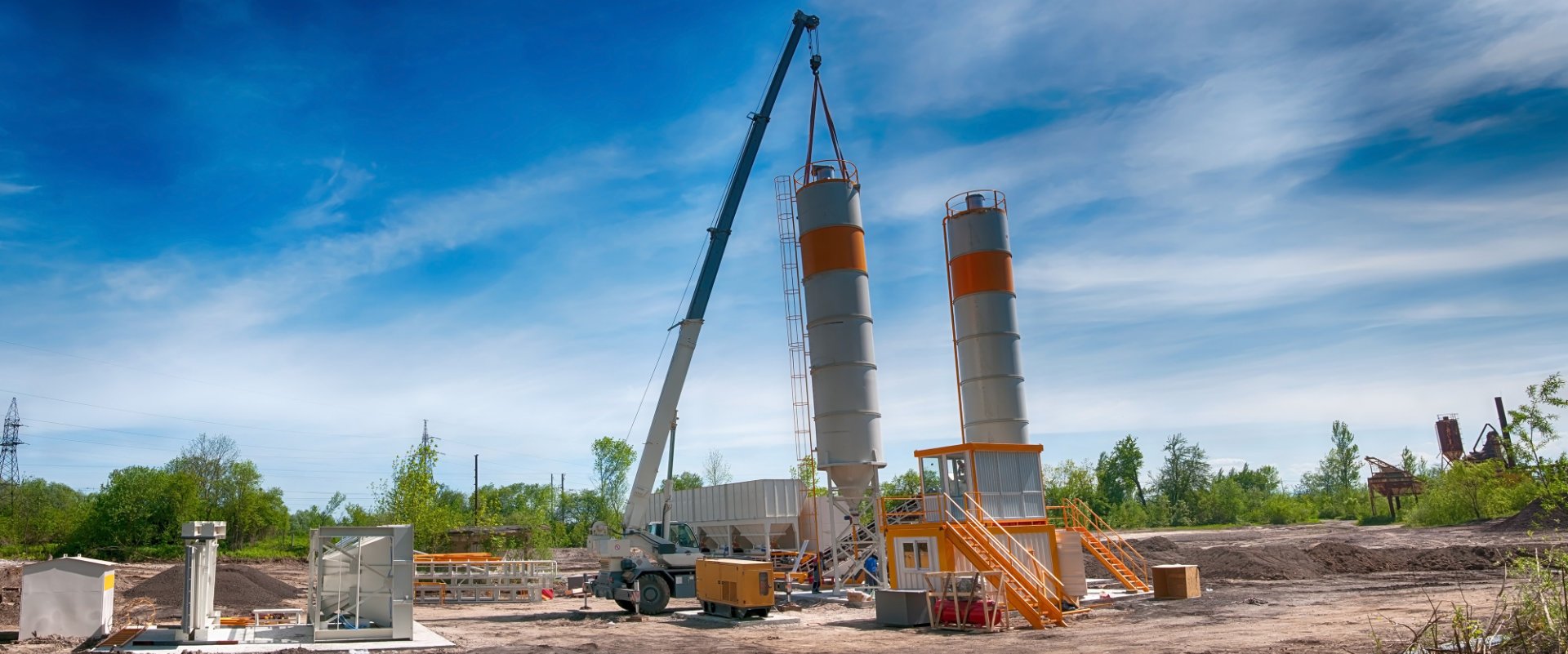
In the high-pressure environment of a concrete production site, equipment downtime isn't just an inconvenience—it’s a massive financial drain. Whether you are operating a JS1000 twin-shaft mixer in the heat of Riyadh or an HZS60 plant in the humid climates of Southeast Asia, a proactive maintenance schedule is your only defense against sudden failure.
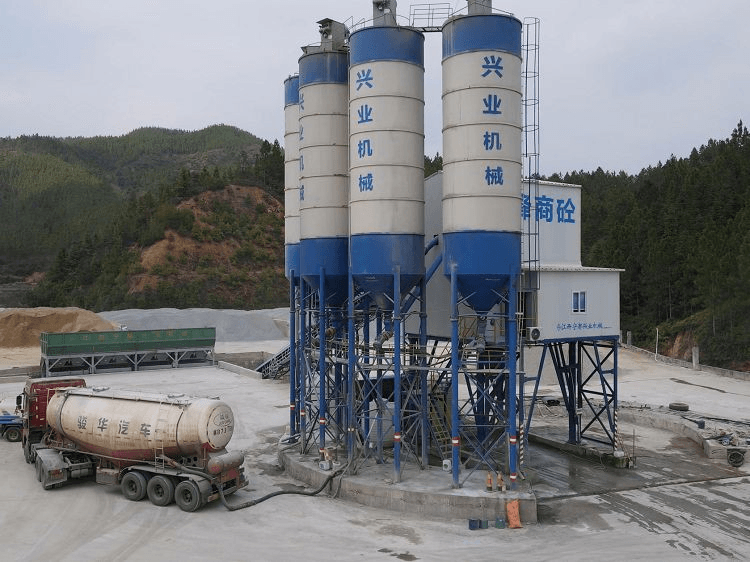
Our engineering team at Xingye Machinery has identified four critical areas where routine care can prevent 90% of common mechanical failures.
1. Transmission System: The Power Core
The transmission system bears the highest mechanical stress. Failure here often results from neglected lubrication or improper tensioning.
- Lubrication: Ensure all transmission gears, reduction boxes, and chains are filled with high-grade grease (graphite calcium base) as per specifications.
- Tension Monitoring: Check the triangular conveyor belt daily. The ideal tension allows for a 10-15mm deflection when pressed. For transmission chains, the mid-point sag should never exceed 20mm.
- Brake & Clutch: Monitor brake pad wear closely. If the response time lags during a full-load stop, replace the pads immediately to avoid catastrophic motor strain.
2. The Critical Shaft End Seal
The most common cause of mixer failure is concrete slurry leaking into the bearings. This usually happens when the shaft end seal is neglected.
The Golden Rule: Refuel the shaft end seal at every single start-up of the main engine. This creates the necessary pressure to prevent abrasive slurry from penetrating the seal structure. For plants operating in high-dust environments, increasing the frequency of this lubrication is essential to maintain the 10,000+ hour MTBF (Mean Time Between Failures) our equipment is designed for.
3. Mixing System Integrity
A worn-down mixing system doesn't just slow down production; it compromises the quality of your concrete mix.
| Component | Check Frequency | Action Trigger |
|---|---|---|
| Liner Plates | Weekly | Replace if wear exceeds 70% of original thickness. |
| Mixing Blades | Daily | Tighten bolts; replace if cracked or severely deformed. |
| Drum Interior | Every Shift | Remove hardened concrete buildup to prevent imbalance. |
4. Installation Stability and Seasonal Care
Environmental factors often dictate the lifespan of your batching system. Structural integrity is not a "set it and forget it" metric.
Foundation & Drainage: Ensure no water accumulates around the foundation. In monsoon-prone regions, stagnant water can lead to foundation shifting, causing misalignment in the main tower.
Cold Weather Protocol: For our clients in Eastern Europe and Northern regions, the "freezing season" requires specific care. All waterways and pumps must be drained during idle periods to prevent ice expansion from cracking pipes and valves.
Expert Support for Your Site
Regular maintenance is the difference between a profitable project and a logistical nightmare. If you are experiencing unusual vibration or "calibration drift" in your current setup, our technical team is available to provide remote diagnostics or on-site inspections.
Looking to upgrade to a more rugged mixing solution? Explore our JS-Series Twin-Shaft Mixers, engineered for high-durability and ease of maintenance in extreme environments.
Related Posts :