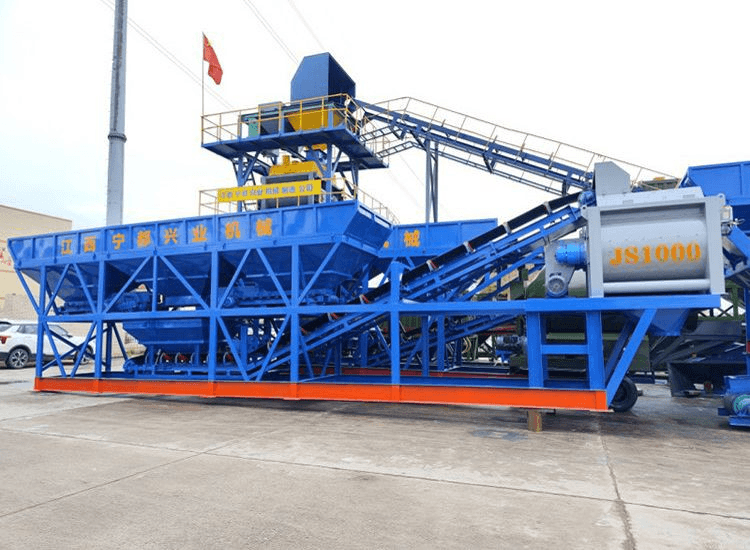
Concrete Batching Plant Breakdown? 5 Steps to Minimize Downtime
Unplanned downtime can cost $500+ per hour. Here is how to manage equipment failure and prevent its return.
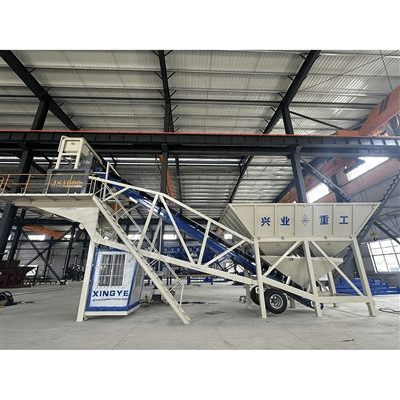
In the high-stakes world of infrastructure projects—whether you are pouring a foundation in Riyadh or a bridge deck in Manila—equipment failure is the ultimate enemy. A seized JS-series twin-shaft mixer or a faulty load cell doesn't just stop production; it spoils transit mixers and risks structural integrity.
When damage occurs, the difference between a 2-hour delay and a 2-day shutdown lies in your technical response protocol. Here is the Xingye Machinery guide to managing equipment damage effectively.
Step 1: Immediate Triage and the "Golden Hour"
Once damage is detected—indicated by abnormal vibration, sudden amperage spikes in the motor, or weighing inaccuracies—the "Golden Hour" begins. Immediate action prevents a minor component failure from cascading into a catastrophic system breakdown.
- Emergency Shutdown: Isolate power to prevent secondary damage to motors and gearboxes.
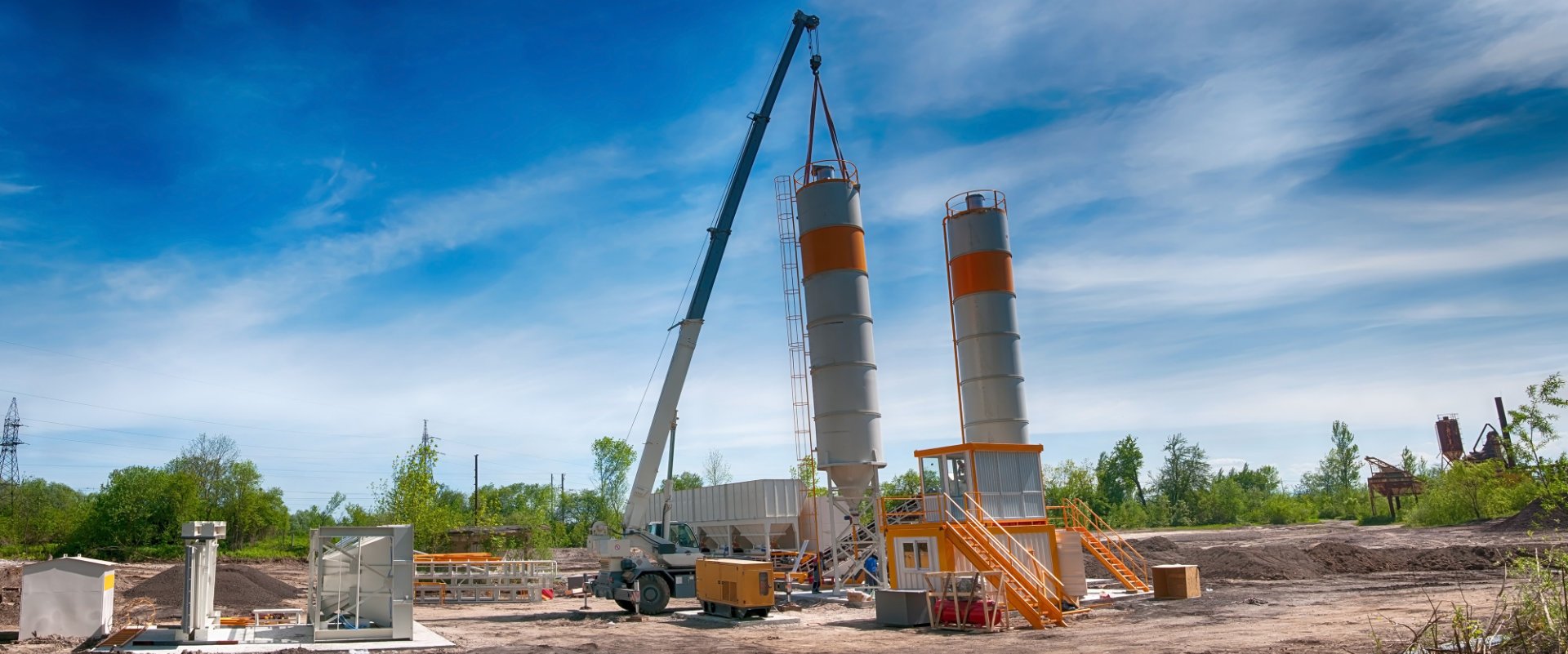
- Safety Lockout (LOTO): Ensure all energy sources are locked out before technicians enter the mixer or climb the cement silo.
- Preliminary Assessment: Determine if the failure is mechanical (e.g., worn mixing blades), electrical (e.g., PLC signal loss), or pneumatic (e.g., valve failure).
Step 2: Technical Troubleshooting Guide
Use the following table to identify common failure points in HZS-series plants and their immediate technical fixes:
| Component | Common Damage | Engineering Solution |
|---|---|---|
| JS Mixer Liners | Abrasion/Cracking | Replace with high-chromium alloy liners (HRC ≥ 58). |
| Load Cells | Signal Drift/Failure | Check for moisture ingress; recalibrate using standard weights. |
| Screw Conveyor | Blockage/Motor Overload | Reverse rotation to clear; inspect intermediate support bearings. |
| Pneumatic Valves | Seal leakage | Replace O-rings; check air dryer for moisture buildup. |
3. Root Cause Analysis (RCA)
Don't just fix the symptom; find the cause. At Xingye Machinery, we categorize damage into three root causes:
- Operational Overload: Running the plant at 110% capacity in high-ambient temperatures (common in Middle Eastern sites) leads to accelerated insulation breakdown in motors.
- Material Abrasion: Using high-silica aggregates without upgrading to reinforced wear plates will reduce liner life by 40%.
- Calibration Neglect: Small errors in water-cement ratios can lead to "stiff batches," overworking the mixing arms and causing shear pin failure.
4. Regional Localization: Climate-Specific Maintenance
Equipment damage is often a product of its environment. Adjust your maintenance strategy based on your site location:
- Middle East & Africa: Focus on dust filtration for electrical cabinets and cooling systems for hydraulic oil. Sand abrasion requires weekly inspection of conveyor belt scrapers.
- Southeast Asia: High humidity causes "clumping" in cement silos. Ensure pneumatic vibrators and air pads are fully operational to prevent screw conveyor torque damage.
- Eastern Europe: Cold weather operation requires heating systems for aggregates and additives to prevent ice-induced mechanical stress during startup.
5. The Spare Parts Strategy
The most expensive spare part is the one you don't have in stock. For HZS90 and HZS120 plants, we recommend maintaining a "Critical Spares Kit" on-site, including:
- Complete set of mixing blades and scrapers.
- Two spare load cells (S-type or compression).
- Replacement solenoid valves and air cylinders.
- Emergency bypass PLC module.
Building a Resilient Production Line
Dealing with damage is reactive; engineering resilience is proactive. By implementing a Preventive Maintenance (PM) schedule and training operators to recognize early warning signs—such as changes in motor sound or discharge gate speed—you can extend the Mean Time Between Failures (MTBF) by up to 35%.
Need a technical audit of your current batching plant? Contact Xingye Machinery's engineering team for a customized maintenance plan or to source high-durability wear parts for any HZS-series plant.
Related Posts :