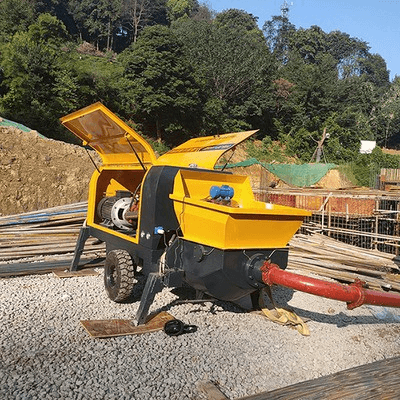
Concrete Pump Troubleshooting: 3 Critical Failures & Rapid Fixes
Concrete waits for no one. Learn how to diagnose pressure loss and clear blockages before the mix sets in your lines.
In high-pressure construction environments—from the humid heat of Southeast Asia to the remote infrastructure projects in Saudi Arabia—a concrete pump failure is more than a technical glitch; it is an expensive race against time. Once the concrete is in the hopper, the clock starts ticking. Any delay in the pumping cycle risks material hardening, which can lead to catastrophic pipeline damage and project delays.
At Xingye Machinery, we’ve analyzed decades of field data from our HBT-series pumps to identify the most common failure points. Here is your engineering guide to rapid diagnosis and emergency treatment.
1. Insufficient Pumping Pressure: The Silent Output Killer
When the pump fails to reach its rated output, the issue usually stems from the hydraulic circuit or internal wear components. In hot climates, hydraulic oil viscosity can drop, exacerbating minor leaks into major pressure drops.
Diagnostic Steps:
- Check Hydraulic Integrity: Inspect pipe joints, seals, and cylinder barrels. Even a "sweating" joint can indicate a seal failure that prevents the system from reaching peak PSI.
- Inspect the S-Valve and Wear Plate: If the distribution valve (S-valve) or the cutting ring is worn, concrete will "backflow" during the stroke, causing a visible drop in discharge pressure.
- Piston Seal Check: Severely worn concrete cylinder pistons allow slurry to bypass the seal, preventing the vacuum required for a full intake stroke.
| Symptom | Likely Cause | Immediate Action |
|---|---|---|
| Fluctuating Pressure Gauge | Air in hydraulic system or low oil | Bleed the system; top up ISO 46/68 oil |
| Consistent Low Pressure | Worn cutting ring/wear plate | Adjust or replace the friction gap components |
| Oil Temperature Overheat | Cooler failure or internal bypass | Clean heat exchanger; check relief valve settings |
2. Pipeline Blockage: The "Reverse-Pump" Strategy
Blockages are often caused by poor mix design (segregation), oversized aggregates, or "dry" starts without proper priming. In regions like Africa or Eastern Europe, where aggregate grading can vary wildly between suppliers, blockages are the #1 cause of downtime.
Emergency Treatment:
The Reverse-Pump Maneuver: Immediately switch the pump to "Reverse" mode for 2-3 cycles. This sucks the blocked material back toward the hopper, re-agitating the mix. If the blockage persists, do not force the pump, as this can burst delivery pipes.
The Knock Test: Use a wooden mallet to tap along the delivery line. A hollow sound indicates an empty pipe; a dull "thud" identifies the location of the plug—usually at reducers, elbows, or aging gaskets. Once identified, the section must be safely depressurized, disassembled, and cleared manually.
3. Abnormal Noise and Vibration
Mechanical noise is a precursor to total component failure. In the B2B sector, preventative maintenance is the difference between a 10-year equipment lifespan and a 2-year one.
- Metallic Knocking: Often caused by loose mounting bolts between the motor and reducer or worn bearings in the pumping mechanism.
- Hydraulic Whining: Usually indicates cavitation—the pump is "starving" for oil. Check for clogged suction filters or air leaks in the intake line.
- Lubrication Failure: Ensure the automated lubrication system is delivering grease to the S-valve bushings and outer bearings. If the "grease heart" stops, the pump's most expensive moving parts will seize within hours.
Pro-Tip for Project Managers
To ensure 99% uptime for your Xingye HBT series pumps, always maintain a "Critical Spares Kit" on-site, including: piston seals, a cutting ring, a wear plate, and a set of hydraulic filters. For sites in remote regions, these $500 investments save $50,000 in lost productivity.
Need technical support or a CAD layout for your next high-rise pumping project? Contact our engineering team for a customized solution tailored to your local climate and concrete specifications.
Related Posts :