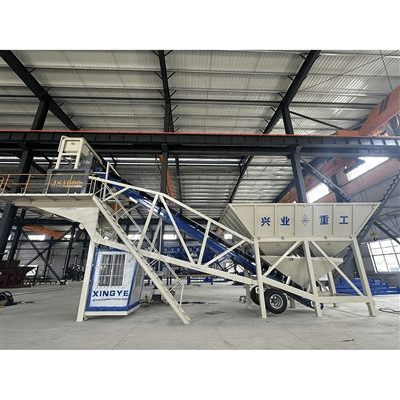
Global Concrete Batching Trends: Navigating Market Volatility
With a 20% market surge expected by 2025, is your fleet ready for the next wave of infrastructure demands?
The global construction landscape is undergoing a massive shift. As we look toward 2025, the concrete mixing plant market is no longer just about "buying a machine"—it is about navigating fluctuating material costs, stringent environmental mandates, and the urgent need for modular efficiency. For project managers from Riyadh to Manila, understanding these market dynamics is the difference between a profitable contract and a logistical nightmare.
Market Trajectory: Beyond the Billion-Dollar Mark
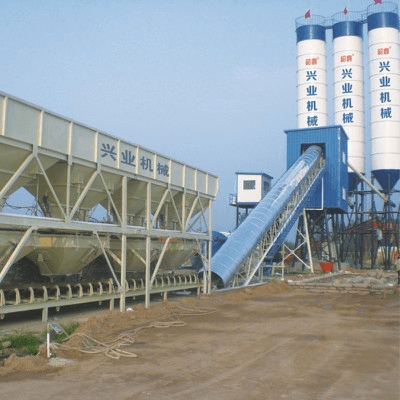
The demand for concrete batching plants has seen a consistent compound annual growth rate (CAGR), with the market expected to expand by another 20% by 2025. This growth is primarily fueled by massive infrastructure investments in high-speed rail, bridge engineering, and urban renewal projects. While the residential real estate sector has stabilized, the "New Urbanization" initiatives in emerging markets have created a sustained vacuum for high-capacity HZS-series stationary plants and flexible mobile mixing solutions.
| Market Driver | Impact on Equipment Choice | Key Engineering Requirement |
|---|---|---|
| Mega-Infrastructure (Bridges/Rail) | High-capacity HZS120 - HZS180 | Continuous 24/7 duty cycles; high precision weighing |
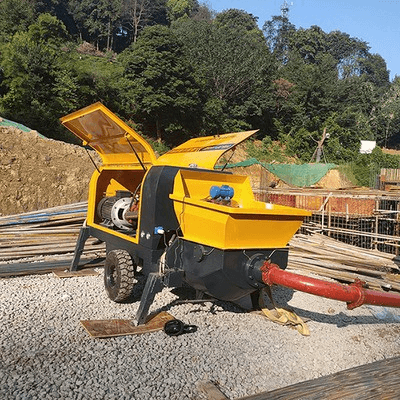
| Urban "Pocket" Construction | Compact & Mobile Plants | Small footprint; low noise; rapid relocation |
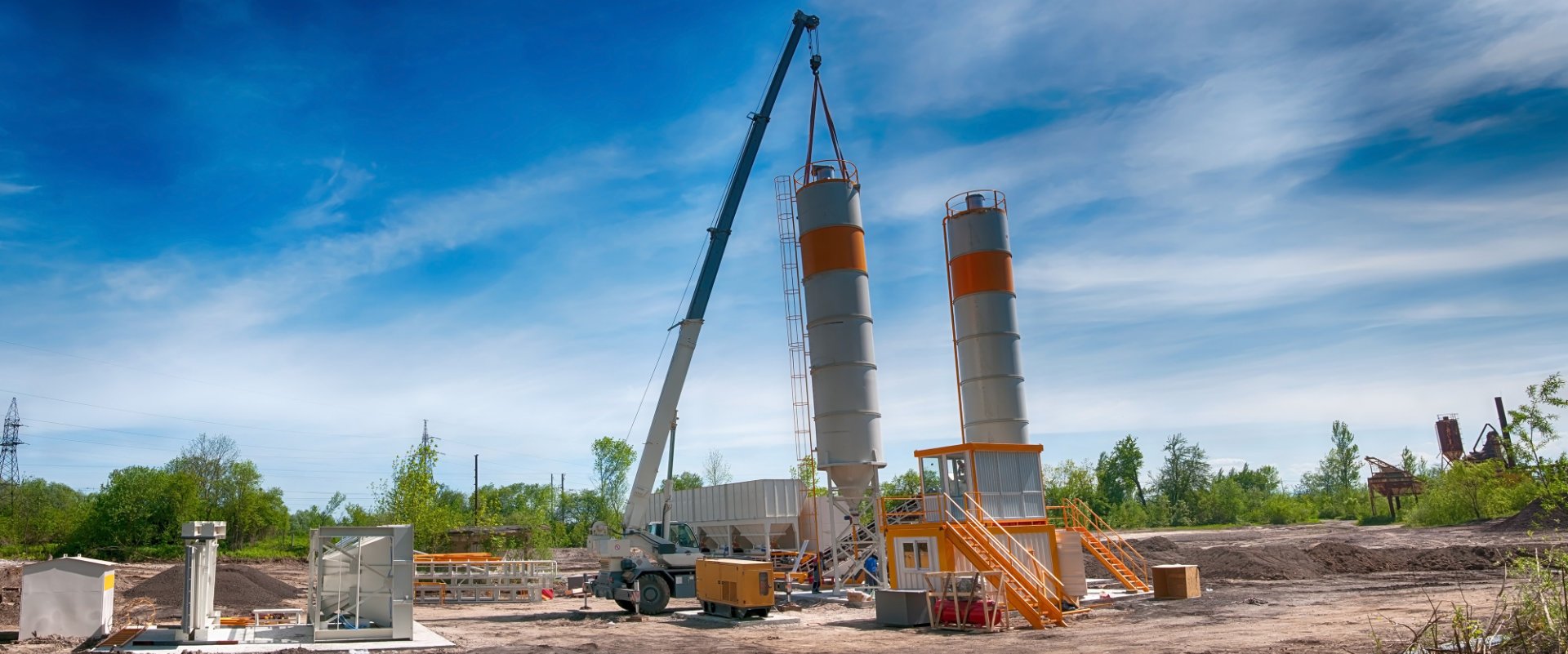
| Remote Belt & Road Projects | Modular/Foundation-free Plants | Simplified logistics; 40HC container compatibility |
The Competition Gap: Large-Scale vs. Specialized Providers
The current market landscape is split between two distinct tiers. Large state-backed enterprises dominate the "mega-project" space with massive financial backing. However, the real innovation is happening in the mid-tier sector. Small and medium-sized enterprises (SMEs) are increasingly winning contracts by offering specialized concrete configurations—such as plants designed for high-performance fiber concrete or those optimized for extreme climates (hot desert vs. humid monsoon zones).
For the buyer, this means the focus has shifted from "brand name" to "technical adaptability." A plant that can be customized for local aggregate variations often yields a higher ROI than a generic off-the-shelf model.
Critical Pain Points: Raw Materials and Green Mandates
What keeps plant operators awake at night in 2025? It isn't just equipment failure; it's input volatility.
- Raw Material Fluctuations: The price of cement and sand is increasingly volatile. Modern plants must now integrate advanced inventory management and high-precision sensors to reduce waste by even 1-2%, which translates to thousands of dollars in monthly savings.
- Environmental "Green" Compliance: Dust emission standards and sewage treatment are no longer optional. The market is moving toward "Zero-Discharge" plants. Integrating pulse dust collectors and recycling systems for waste slurry is now a prerequisite for operating in urban centers or EU-regulated zones.
Opportunities in Technical Innovation
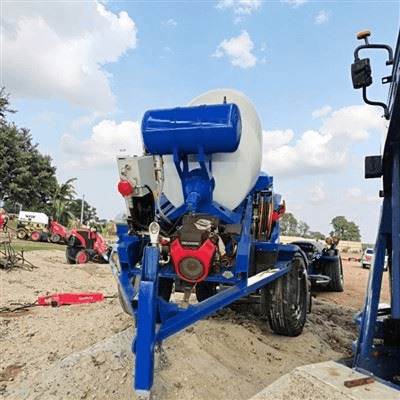
The challenges of 2025 are also creating massive opportunities for forward-thinking contractors. The rise of dry mobile concrete batching plants allows for rapid deployment in remote areas where traditional wet-mix logistics are impossible. Furthermore, as the "Belt and Road" initiative continues to mature, the demand for rugged, "export-ready" machinery that meets international ISO and CE standards has never been higher.
Engineer’s Recommendation
If you are planning to upgrade your fleet this year, prioritize modular designs and automated calibration systems. These features mitigate the risk of operator error and allow your plant to adapt to changing project locations without expensive civil engineering costs.
Looking for a technical consultation on your next project? Xingye Machinery provides detailed CAD layouts and ROI analysis for HZS and JS series equipment tailored to your specific regional requirements.
Related Posts :