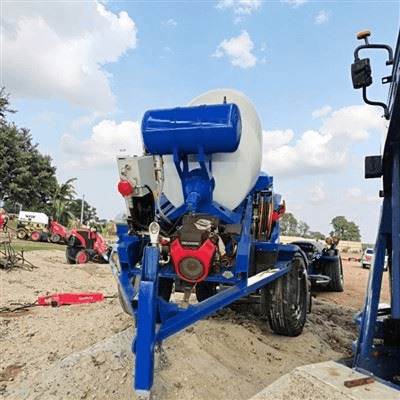
Mobile Concrete Mixer Trailers: Solving the Remote Site Dilemma
Stop racing against the setting sun. Bring the batching plant to your job site and eliminate transit-time risk.
For project managers in remote regions of Saudi Arabia or the dense urban corridors of Southeast Asia, the biggest threat to concrete quality isn't the mix design—it's the logistics of time. From the moment water touches cement, the clock starts ticking. Traditional delivery from a central batching plant often results in slump loss, segregation, or premature setting due to traffic and distance.
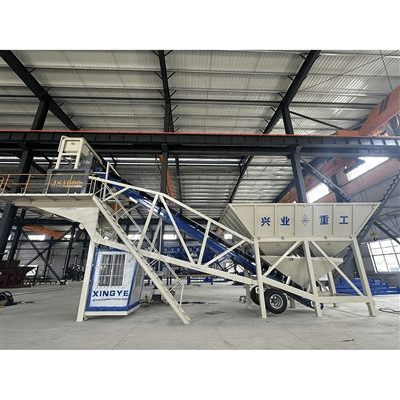
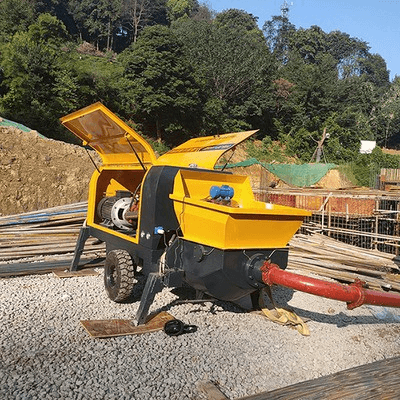
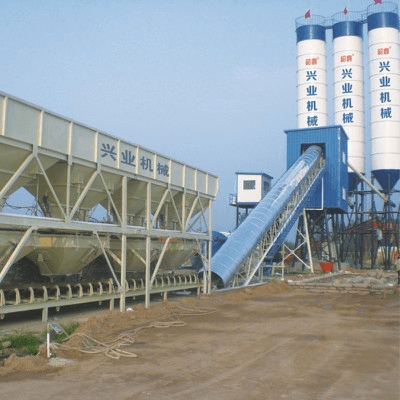
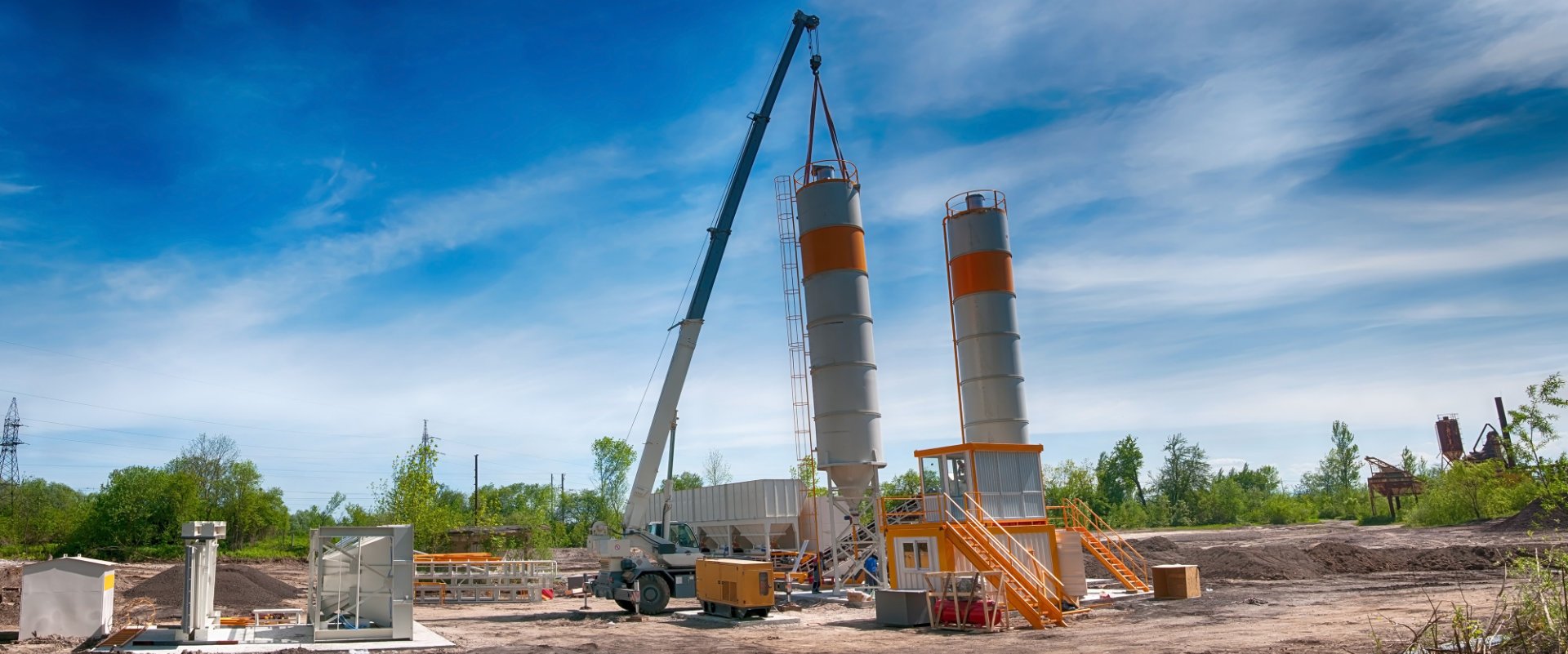
Mobile concrete mixer trailers (also known as volumetric or ready-mix trailers) have emerged as the primary solution for projects where a permanent HZS-series plant is overkill, but quality cannot be compromised.
Why Mobile Mixing Beats Traditional Delivery
Traditional transit mixers are essentially delivery vehicles for a product that is actively expiring. In contrast, a mobile mixer trailer functions as a point-of-use production facility. This shift in the supply chain addresses three critical engineering pain points:
| Challenge | Fixed Plant + Transit Mixer | Mobile Mixer Trailer Solution |
|---|---|---|
| Transit Time | Limited to 60-90 minutes before quality drops. | Zero. Mixing happens seconds before pouring. |
| Material Waste | Must over-order to ensure enough coverage. | Produce exact volume needed on-site. |
| Site Accessibility | Difficult for heavy trucks in remote/soft terrain. | Towed by standard vehicles; high maneuverability. |
Engineering Precision on Wheels
Modern mobile units are not just "portable drums." They incorporate advanced automation that rivals fixed batching plants. At Xingye Machinery, we focus on three core technical integration points:
1. Precision Metering & Control
Equipped with integrated load cells and digital control systems, these trailers allow operators to adjust the water-cement (w/c) ratio in real-time. This is vital in humid climates like Vietnam or the Philippines, where aggregate moisture can fluctuate significantly between morning and afternoon.
2. High-Torque Mixing Dynamics
Unlike standard transit mixers that rely on passive rotation, our mobile units utilize reinforced internal blades designed for forced mixing. This ensures a homogenous distribution of aggregates and additives, even when producing high-strength or low-slump concrete for structural foundations.
3. Regional Durability Specs
For our clients in the Middle East and Africa, we reinforce the trailer chassis and cooling systems to handle ambient temperatures exceeding 45°C. The use of high-manganese wear-resistant steel in the mixing drum significantly increases the Mean Time Between Failures (MTBF) when processing abrasive desert sands.
Sustainability and Cost Efficiency
By eliminating the "dead leg" of empty transit mixers returning to a central plant, fuel consumption is reduced by up to 30%. Furthermore, the ability to produce customized batches—such as specialized grout or rapid-set concrete—on the same unit makes it a versatile asset for infrastructure repair and highway maintenance.
Are you planning a project in a logistically challenging area? Xingye Machinery provides complete technical specifications and CAD site-integration layouts for our mobile mixing fleet. Contact our engineering team today to discuss your capacity requirements and regional shipping options.
Related Posts :