Concrete Plant Digitization: ROI or Risk? a Technical Guide
Transitioning from manual to intelligent batching: How to reduce waste and maximize HZS plant uptime.
In the competitive Ready-Mix Concrete (RMC) market, the difference between profit and loss often comes down to 1% accuracy in cement weighing or a 10-minute delay in truck dispatching. For plant owners in rapidly developing regions like Saudi Arabia or Southeast Asia, "intelligent transformation" is no longer a buzzword—it is a survival strategy against rising material costs and stricter construction standards.
1. Precision Automation: The End of Material Waste
The core of an intelligent transformation lies in replacing human error with high-precision control systems. Manual batching often leads to "over-cementing" to ensure strength, which directly eats into margins.
High-Precision Batching
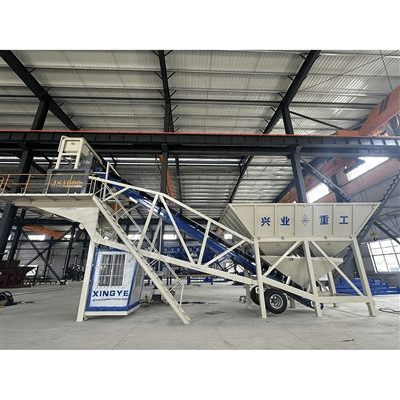
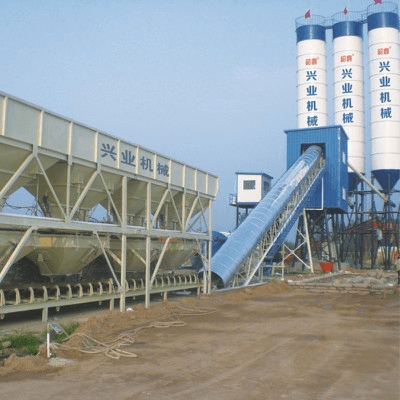
Modern HZS-series plants equipped with intelligent weighing modules utilize electronic load cells and frequency-controlled screw conveyors. This ensures that cement, water, and admixtures are measured with an accuracy of ±1%, significantly tighter than manual oversight allows.
Real-Time Moisture Compensation
One of the biggest pain points in humid climates (such as Vietnam or the Philippines) is fluctuating aggregate moisture. Intelligent systems integrate microwave moisture sensors that automatically adjust water-to-cement ratios in real-time, preventing segregated loads and rejected batches.
| Feature | Manual/Semi-Auto Plant | Intelligent Automated Plant |
|---|---|---|
| Weighing Accuracy | ±2-3% (Variable) | ±1% (Consistent) |
| Data Logging | Paper-based / Manual Entry | Cloud-based / Real-time ERP Sync |
| Maintenance | Reactive (Fix when broken) | Predictive (IoT sensor alerts) |
| Labor Requirement | 3-5 skilled operators | 1-2 supervisors |
2. IoT & Predictive Maintenance: Eliminating Unplanned Downtime
For a project manager, a mixer failure during a continuous pour is a nightmare. Intelligent transformation moves the maintenance model from reactive to predictive.
By installing IoT sensors on critical components of the JS-series twin-shaft mixer, operators can monitor:
- Motor Temperature & Current: Detecting early signs of winding failure or gearbox strain.
- Vibration Analysis: Identifying bearing wear before a catastrophic seizure occurs.
- Lubrication Levels: Automated alerts ensure the central lubrication system never runs dry.
3. Data-Driven Logistics and Dispatch
Efficiency doesn't stop at the discharge chute. An intelligent management platform integrates GPS and transit mixer telemetry. For urban sites in Riyadh or Manila, where traffic is unpredictable, this allows for:
- Dynamic Dispatching: Slowing down production if trucks are stuck in traffic, preventing "cold joints" at the site.
- Fuel Optimization: Monitoring idle times and optimizing routes to reduce the carbon footprint and operational costs.
4. The Reality of Implementation: Challenges & ROI
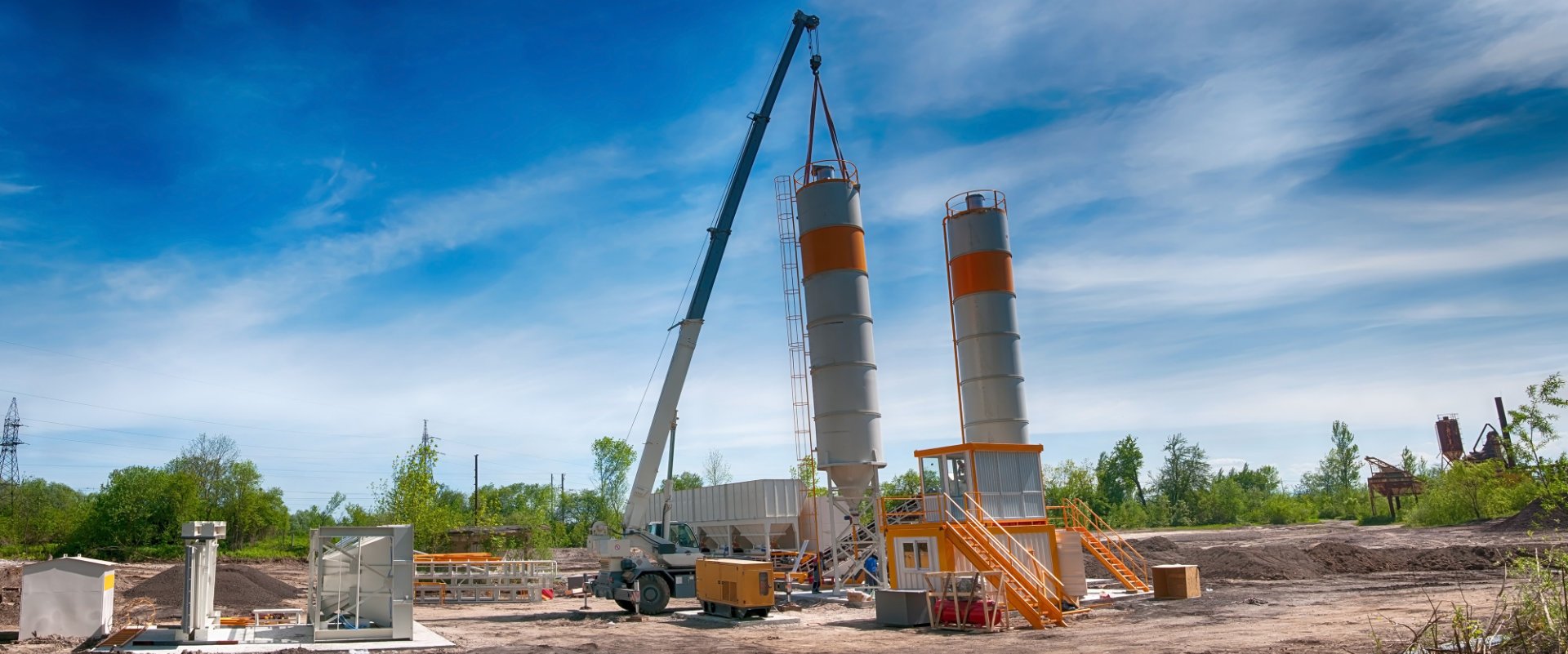
While the benefits are clear, Xingye Machinery advises clients to consider the "Total Cost of Ownership" (TCO). The initial investment in a fully automated HZS120 or HZS180 plant is higher, but the ROI is typically realized within 12-18 months through:
- 5-8% reduction in cement consumption through precision weighing.
- 20% reduction in maintenance costs via predictive alerts.
- Higher contract win rates due to digital "batch reports" that prove quality compliance to Tier-1 contractors.
Are you looking to upgrade your existing facility or invest in a new automated plant? Xingye Machinery provides end-to-end technical support, from PLC system integration to operator training. Contact our engineering team for a customized digital transformation roadmap.
Related Posts :