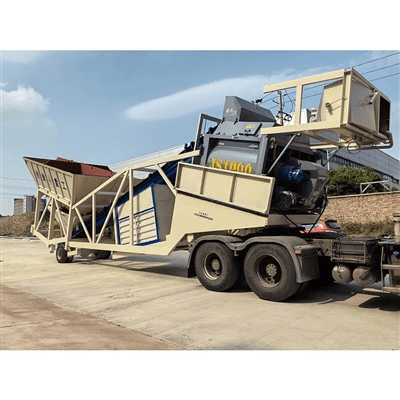
Mobile Concrete Batching Plants: 4 Key Efficiency Benefits
Stop paying for logistics. Bring the plant to the project and slash transport costs by up to 30%.
For project managers overseeing remote highway segments or urban infrastructure, the "last mile" of concrete delivery is often the most expensive. Traditional fixed plants offer high volume, but the logistics of transporting wet-mix concrete over long distances introduces two critical risks: segregation and premature setting. Mobile concrete batching plants, specifically the YHZS series, eliminate these bottlenecks by placing production exactly where it is needed.
1. Strategic Adaptability for Linear Projects
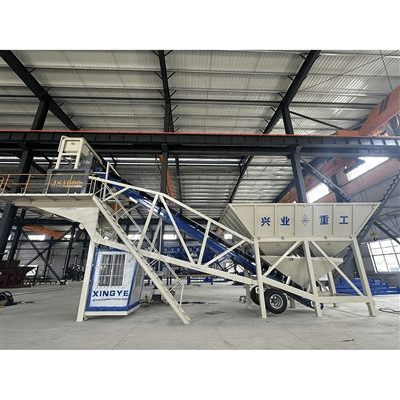
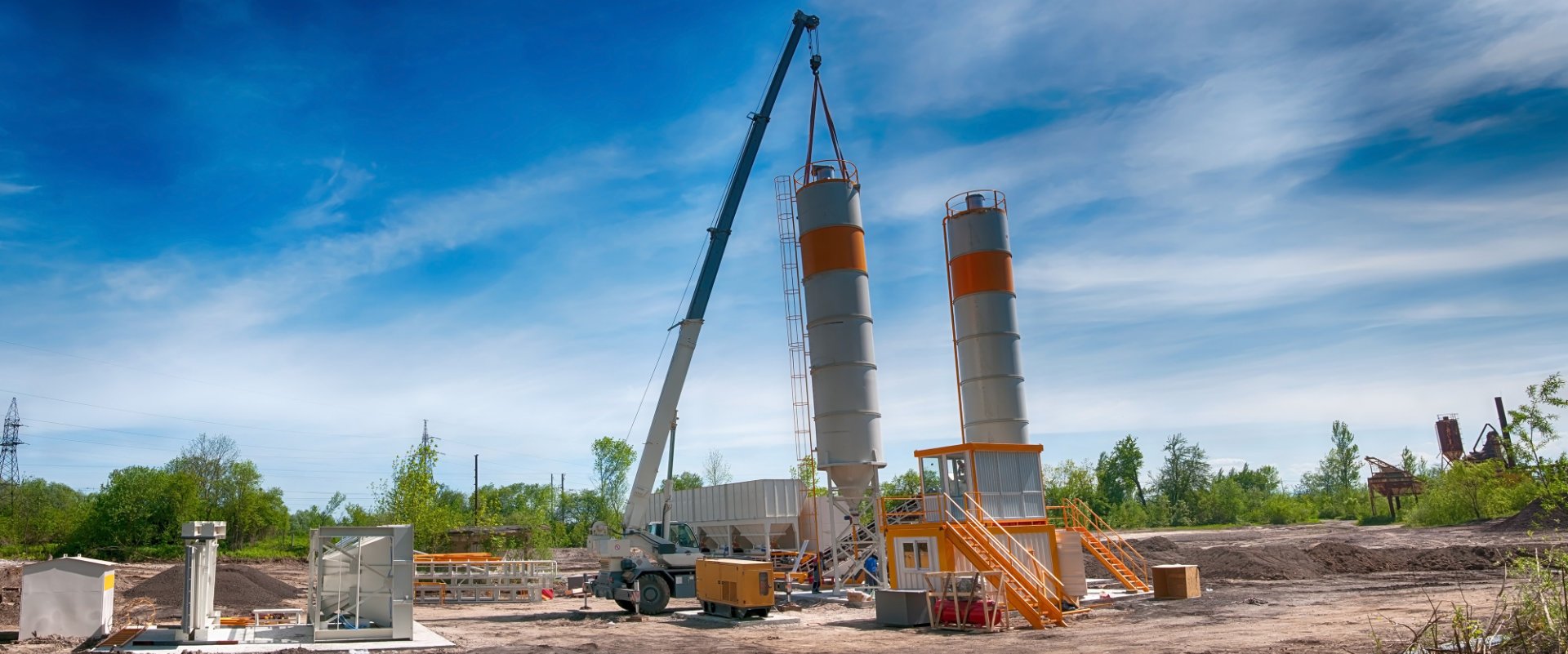
Unlike stationary plants that require extensive foundation work and weeks of setup, mobile units are designed on a towed chassis. This is a game-changer for "linear" projects—roads, bridges, and tunnels—where the work site moves every few weeks.
- Zero Foundation Costs: Most mobile plants can operate on a compacted level surface, saving thousands in site preparation.
- Reduced Transport Risk: By minimizing the distance between the mixer and the pour site, you ensure the concrete maintains its slump and workability, critical for meeting international ASTM or EN standards.
2. Automated Precision vs. Manual Labor
Modern mobile plants, such as the YHZS35 or YHZS60, integrate the same advanced PLC control systems found in flagship HZS stationary models. This removes the "human error" variable that plagues manual mixing on small sites.
| Feature | Manual/Small Mixers | YHZS Mobile Plant |
|---|---|---|
| Weighing Accuracy | ±5-10% (Estimated) | ±1-2% (Electronic Sensors) |
| Output Consistency | Variable | Highly Consistent (PLC Controlled) |
| Labor Required | 8-10 Workers | 2-3 Operators |
| Data Logging | None | Full Batch Reports for QC |
3. Regional Performance: Heat and Humidity
At Xingye Machinery, we optimize our mobile units for regional environmental stresses. For our clients in the Middle East, we provide enhanced cooling for hydraulic systems to prevent failure in 45°C+ temperatures. For Southeast Asian markets, we prioritize tropicalized electrical components to resist corrosion during high-humidity monsoon seasons.
4. Long-Term TCO (Total Cost of Ownership)
While the initial capital expenditure (CAPEX) for a mobile plant is higher than a simple drum mixer, the Total Cost of Ownership is significantly lower over a 5-year period. By allocating the equipment cost across 3-4 different project sites, the "per cubic meter" cost of the machinery drops below that of purchasing commercial concrete or running inefficient manual sites.
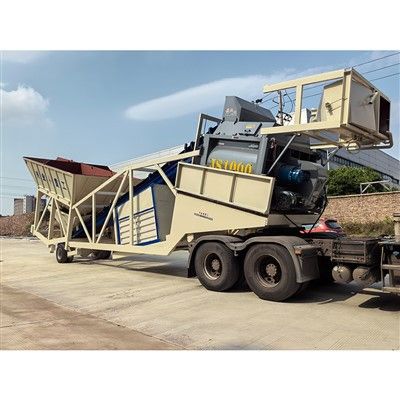
Pro Tip: When evaluating a mobile plant, look for a JS-series twin-shaft forced mixer integrated into the chassis. This ensures the plant can handle high-viscosity mixes and dry-hard concrete that single-shaft or drum mixers struggle to homogenize.
Technical Spotlight: The YHZS Series
Our mobile plants are engineered for rapid deployment. The integrated design includes the aggregate batching system, mixing system, weighing system, and control room on a single trailer frame.
Are you planning a remote infrastructure project? Our engineering team can provide a customized CAD site layout to help you visualize the most efficient placement for your mobile plant. Contact our technical sales team for a detailed ROI analysis based on your local material and labor costs.
Related Posts :