Mobile Concrete Plant ROI: A Deep Dive Into Total Cost of Ownership
Beyond the sticker price: What does it actually cost to deploy and operate a mobile batching plant in 2025?
For project managers in fast-paced environments like Riyadh’s urban expansion or infrastructure projects in Southeast Asia, the mobile concrete mixing plant is a strategic asset. However, a common mistake is focusing solely on the initial purchase price. To ensure project profitability, you must analyze the Total Cost of Ownership (TCO).
1. Equipment Procurement: Capacities and Price Points
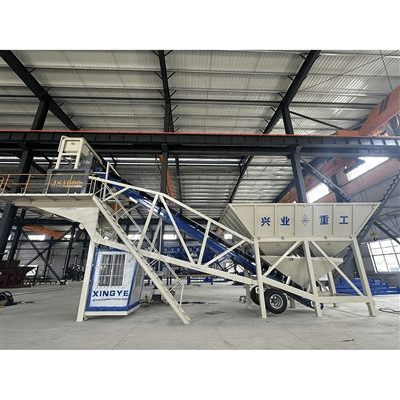
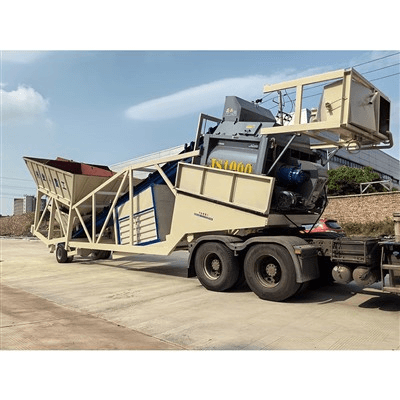
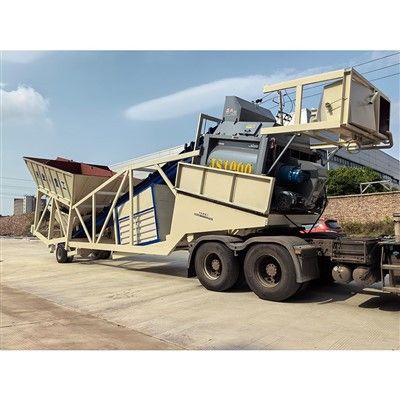
The primary driver of cost is your required output (m³/h). At Xingye Machinery, we categorize these into small-scale portable units and high-capacity mobile stations. High-automation models featuring PLC control systems and high-precision load cells carry a premium but drastically reduce waste.
| Plant Type | Capacity (m³/h) | Estimated Price (USD) | Best For |
|---|---|---|---|
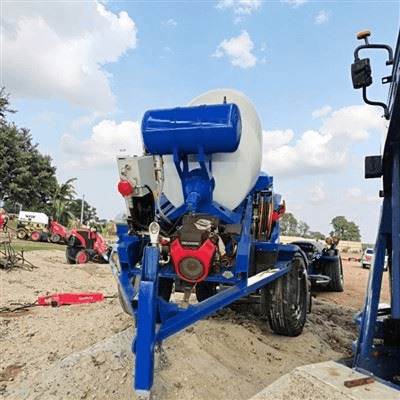
| Small Portable (HZS25) | 25 m³/h | $8,700 - $12,000 | Rural roads, small foundations |
| Medium Mobile (YHZS60) | 60 m³/h | $25,000 - $35,000 | Bridges, medium-scale infrastructure |
| Large Mobile (YHZS100+) | 100+ m³/h | $60,800 - $85,000+ | Highways, airport runways |
2. Raw Material Logistics and Storage
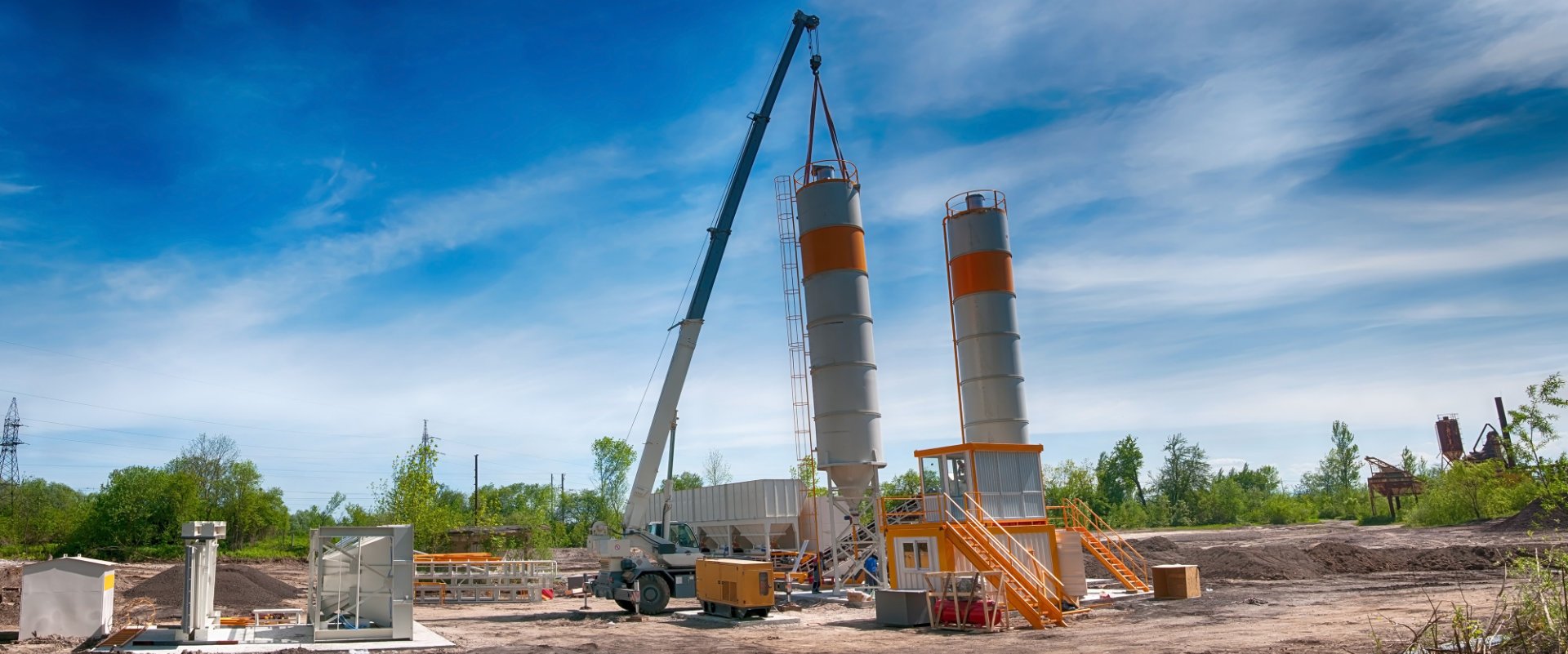
While the plant is mobile, your raw material supply chain is not. Cost fluctuations in cement, fly ash, and chemical admixtures can swing your margins by 15-20%. For high-spec projects requiring specialized concrete (e.g., high-strength or sulfate-resistant), you may need additional cement silos and aggregate bins. Adding a fourth aggregate bin for precise grading increases initial CAPEX but lowers the risk of structural failure and rejected batches.
3. The \"Hidden\" Costs: Transportation and Commissioning
The term \"mobile\" implies ease of movement, but logistics for a 60-ton plant require careful planning. For international buyers in regions like Africa or Eastern Europe, consider:
- Shipping & Tariffs: Cross-border logistics can add 10-15% to the procurement cost.
- Foundation Requirements: While many Xingye mobile plants require minimal foundations, site leveling and drainage are essential for weighing accuracy.
- Commissioning: Professional calibration of the JS-series twin-shaft mixer and the weighing sensors is critical to meet ISO 9001 standards.
4. Operational Expenditure (OPEX)
Operational costs are where efficiency pays for itself. A plant with a poorly optimized batching software can lead to \"over-cementing\"—a massive hidden cost over 10,000 cubic meters. Key OPEX factors include:
- Energy Consumption: Mobile plants often run on diesel generators in remote sites. Fuel efficiency under variable loads is a critical engineering metric.
- Wear Parts: High-abrasion aggregates (like desert sand) require more frequent replacement of mixer liners and blades.
- Labor: Highly automated plants require fewer, but more skilled, operators.
5. Compliance and Administrative Costs
Never overlook the cost of local permits. Environmental Impact Assessments (EIA) for dust and noise control are increasingly strict in Southeast Asia and the Middle East. Investing in a plant with integrated dust collection systems and low-noise motors can prevent costly project shutdowns and fines.
The Bottom Line
A mobile concrete plant is an investment in project independence. By controlling your own concrete supply, you eliminate the \"wait time\" costs of commercial ready-mix. To get a tailored cost-benefit analysis for your specific site conditions, contact our engineering team for a CAD layout and technical consultation.
Related Posts :