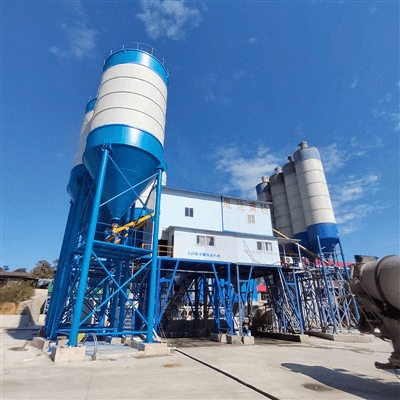
Concrete Plant vs. Cement Plant: Which One Do You Need?
Are you producing the binder or the building material? Understanding the $1M difference in equipment and output.
In the construction industry, the terms "concrete plant" and "cement plant" are frequently used interchangeably by procurement teams and project managers. However, from an engineering and investment perspective, they represent two entirely different stages of the supply chain. Choosing the wrong one is a multi-million dollar mistake.
At Xingye Machinery, we specialize in concrete production technology. To help you navigate your next infrastructure project, we have broken down the technical and operational differences between these two facilities.
1. The Fundamental Output: Product vs. Ingredient
The simplest way to distinguish them is by their finished product. A cement plant manufactures the glue; a concrete plant manufactures the final structure.
| Feature | Cement Plant (Manufacturing) | Concrete Plant (Batching) |
|---|---|---|
| Primary Output | Fine grey powder (Cement) | Liquid stone (Ready-mix concrete) |
| Core Process | Chemical transformation (Calcination) | Mechanical mixing (Batching) |
| Operational Scale | Massive industrial complex | Modular site-based or urban facility |
2. Raw Materials and Engineering Processes
The Cement Plant: High-Heat Chemical Engineering
A cement plant is a heavy industrial facility usually located near limestone quarries. It involves crushing raw materials like limestone, clay, and iron ore, then heating them to 1,450°C in a rotary kiln. This creates "clinker," which is then ground into the fine powder we know as cement. This process is energy-intensive and requires significant environmental filtration systems.
The Concrete Plant: Precision Mechanical Mixing
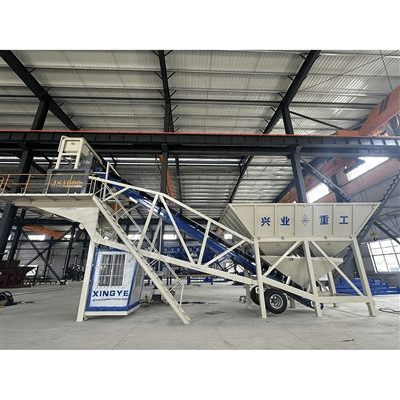
A concrete plant (or batching plant) uses cement as just one of its ingredients. It combines cement, water, aggregates (sand and gravel), and chemical admixtures. The engineering focus here is on metering accuracy and homogeneity. Machines like our JS-series twin-shaft mixers ensure that the ingredients are perfectly distributed to reach the required compressive strength (e.g., C30, C40) for high-rise buildings or bridges.
3. Critical Equipment Comparison
The machinery required for these two plants does not overlap. If you are setting up a construction site, you are likely looking for concrete batching equipment.
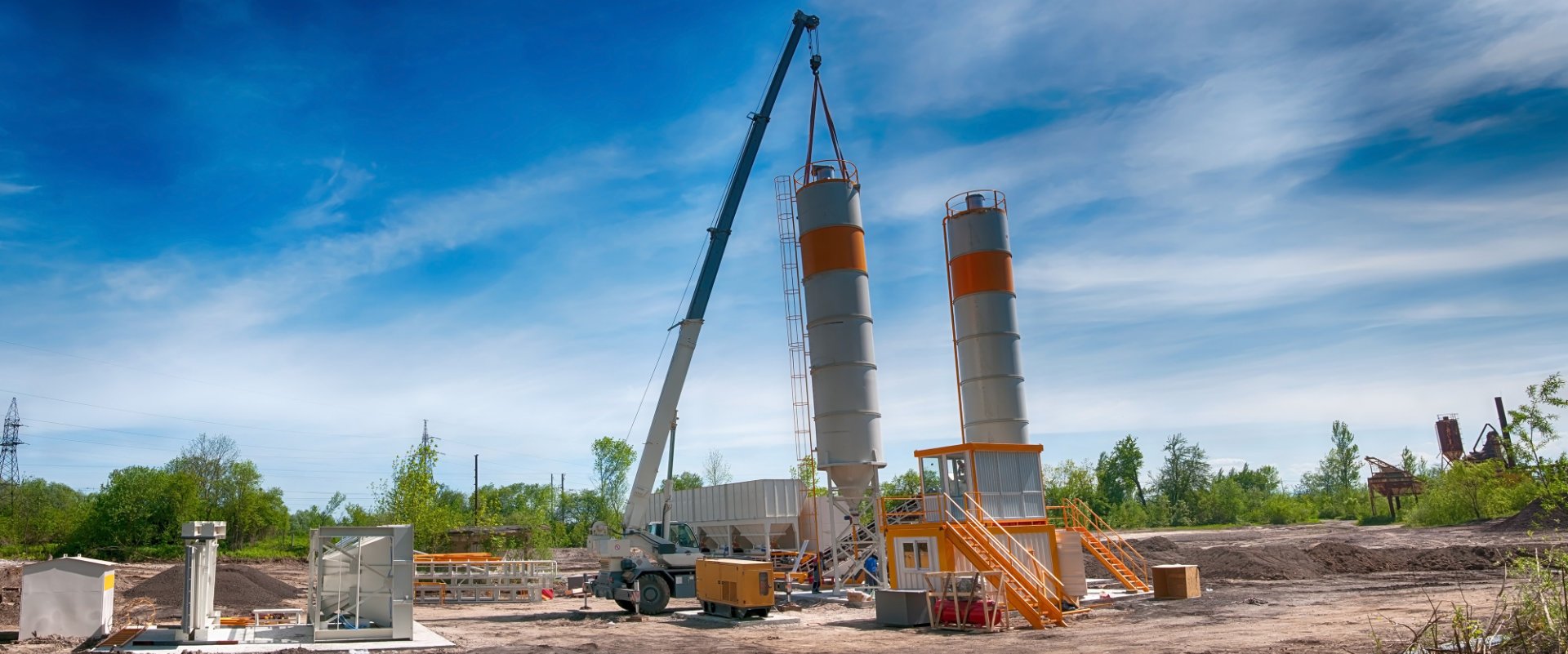
- Concrete Plant Equipment: Includes aggregate batching machines (PLD series), bolted cement silos, twin-shaft forced mixers, and automated control systems.
- Cement Plant Equipment: Includes massive vertical mills, rotary kilns, preheater towers, and industrial dust collectors.
4. Logistics and Location Strategy
Where should you build?
Cement plants are stationary and permanent, often operating for 30-50 years in one location near raw material sources. In contrast, concrete plants must be located near the point of consumption. Because wet concrete must be poured within 90-120 minutes of mixing, concrete plants are often modular or mobile.
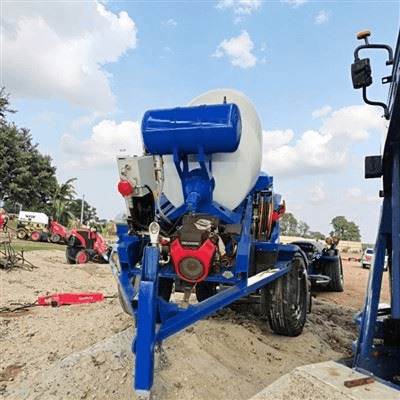
For projects in remote regions like the Middle East or Africa, we often recommend Mobile Concrete Batching Plants. These can be deployed directly on-site, eliminating the risk of concrete setting during long transport hauls in high temperatures.
5. Common Industry Confusion: The "Cement Mixing Plant"
You may hear the term "cement mixing plant." In technical terms, this usually refers to a Cement Grinding Station—a facility that buys clinker from a large manufacturer and grinds it into finished cement. However, in many emerging markets, people use this term when they actually mean a Concrete Batching Plant. Always verify if the end goal is to produce bags of powder or a truckload of wet concrete.
Which Solution Fits Your Project?
If you are a contractor building roads, bridges, or housing, you need a Concrete Batching Plant. Xingye Machinery provides HZS-series plants ranging from 25m³/h for small local projects to 180m³/h for major infrastructure. Our systems are engineered for high-durability in harsh climates, featuring dust-reduction technology and precision weighing sensors.
Ready to optimize your production? Contact our engineering team for a custom site layout and equipment ROI analysis.
Related Posts :