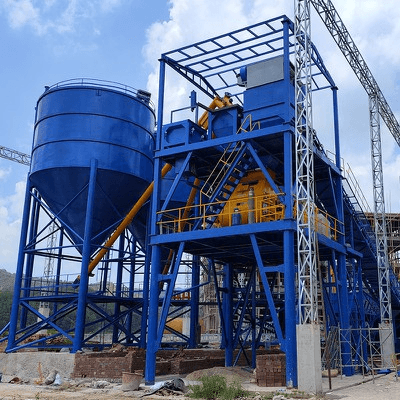
Concrete Batching Plant Operation: A Technical Production Guide
From Raw Aggregate to High-Strength Mix: Mastering the Logic of Efficient Concrete Production
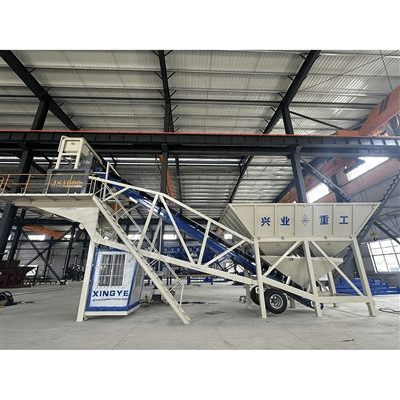
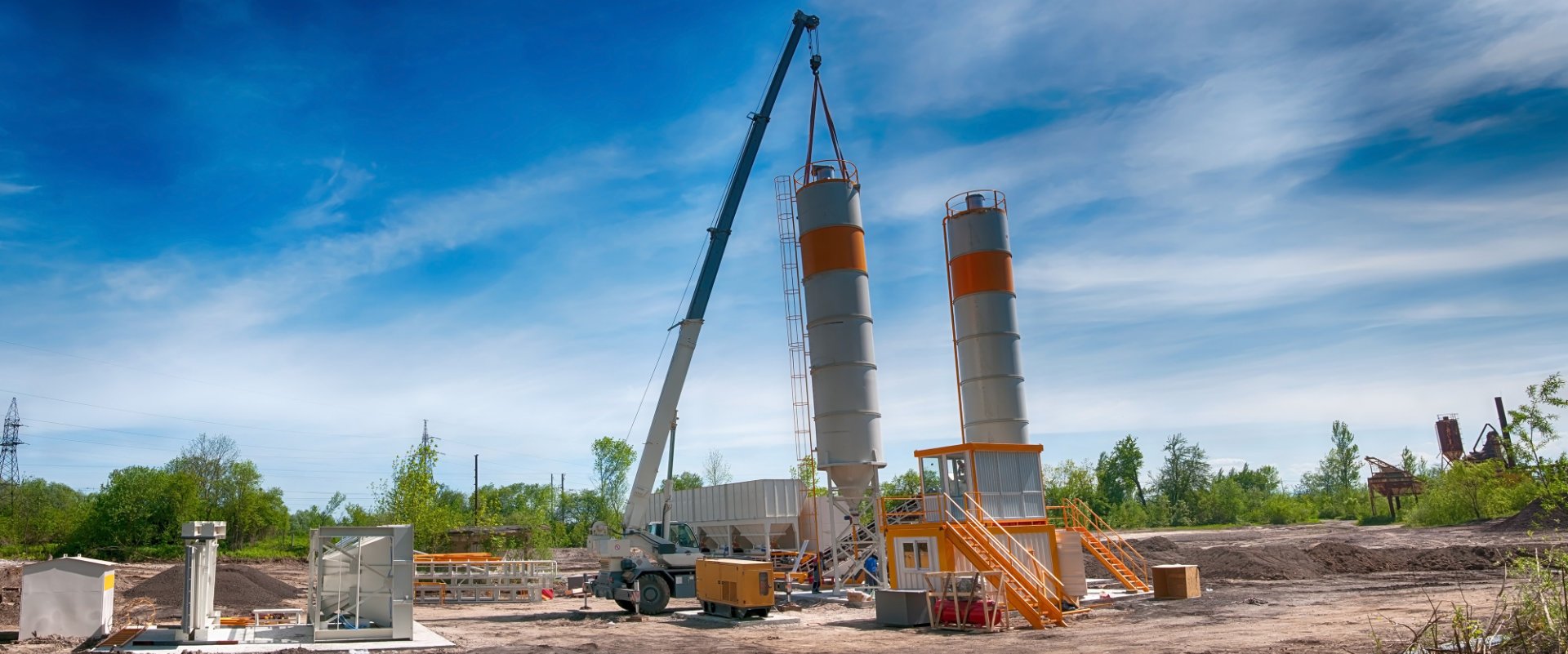
In the global construction industry, a concrete batching plant is more than just machinery; it is the heartbeat of the job site. Whether you are operating an HZS120 stationary plant in Riyadh or a compact mobile unit in Manila, the logic of production remains the same: precision in metering leads to strength in structure.
Understanding the rigorous technical flow and safety specifications of your plant is the only way to ensure consistent concrete homogeneity while protecting your capital investment from premature wear.
The 4-Stage Production Cycle
Modern concrete production is a synchronized dance of four distinct systems. If one fails, the quality of the entire batch is compromised.
| System Phase | Key Components | Critical Technical Focus |
|---|---|---|
| 1. Aggregate Feeding | PLD Batcher, Belt Conveyors | Moisture compensation and grading accuracy |
| 2. Powder Management | Cement Silos, Screw Conveyors | Prevention of "arching" and dust leakages |
| 3. Liquid Dosing | Water/Admixture Pumps & Scales | Precise water-cement (w/c) ratio control |
| 4. Mixing & Discharge | JS-Series Twin-Shaft Mixer | Mixing time optimization (typically 60-90s) |
I. System Initialization: The "Digital Brain"
Before the first aggregate hits the belt, the control system must be initialized. Operators must input the formula number, concrete grade (e.g., C30, C60), and required slump. This "genetic code" dictates the weighing sequence. At Xingye Machinery, our systems utilize high-precision sensors to ensure that even a 1% deviation in admixtures is detected before mixing begins.
II. Precision Metering and Weighing
Once the "Full/Empty" signals are verified, the screw conveyors and aggregate gates activate. Pro Tip: In humid climates like Southeast Asia, aggregate moisture can fluctuate hourly. Advanced operators should recalibrate the "water-cut" parameters to account for wet sand, preventing "soupy" mixes that fail strength tests.
Safety Protocols: Protecting Personnel and Assets
Safety in a batching plant isn't just about hard hats; it's about mechanical discipline. Equipment downtime is most often caused by neglecting these three operational phases:
1. Pre-Operation Hardware Audit
- Lubrication: Check the centralized lubrication system. Ensure the JS-series mixer end-seals are pressurized to prevent slurry from entering the bearings.
- Pneumatics: Drain the air compressor of moisture and verify that the discharge gates operate without "stuttering."
- Electrical: Inspect the limit switches on the skip hoist (if applicable) to prevent catastrophic bucket over-travel.
2. Operational "Red Lines"
Never start or stop the mixer under full load. If a power outage occurs in a Middle Eastern or African site with unstable grids, the operator must immediately manually discharge the drum or clean it before the concrete sets. Hardened concrete inside a twin-shaft mixer can cause thousands of dollars in damage to the mixing blades and arms.
3. Post-Shift Maintenance & Regional Care
After the final batch, the "purging" process is vital. All cement remaining in the screw conveyor must be emptied to prevent caking from overnight humidity.
Cold Weather Note: For projects in Eastern Europe or Central Asia, all water and admixture pumps must be drained during the freezing season to prevent pump casing fractures.
Optimizing Your Plant’s Lifespan
A well-maintained Xingye plant can exceed 10 years of service. This requires moving beyond "reactive" repairs to "predictive" maintenance. Regularly check the oil quality in the planetary reducers and ensure the weighing bucket's rubber sleeves are flexible and tension-free to maintain calibration accuracy.
Are you looking to optimize your current plant's output or planning a new site setup? Contact Xingye Machinery's engineering team for a customized layout plan or a technical consultation on our HZS-series equipment.
Related Posts :