
Precision Batching: 3 Critical Factors for Concrete Quality
From admixture timing to sensor monitoring: How to maintain sub-1% error margins in HZS-series plants.
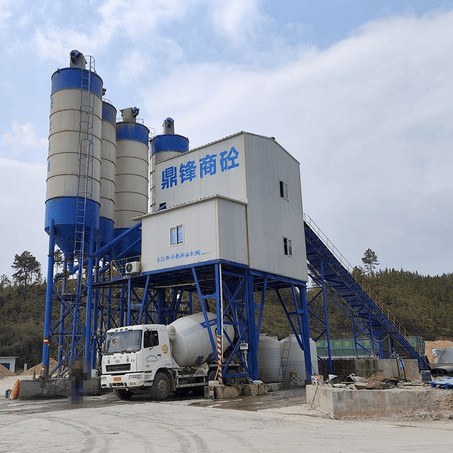
Zhengzhou, August 2024 — In high-volume construction projects across the Middle East and Southeast Asia, the difference between structural integrity and project failure often comes down to a 1% margin of error in the batching phase. While modern HZS-series concrete mixing plants are highly automated, achieving consistent, high-grade concrete requires more than just "pressing a button."
Our engineering team at Xingye Machinery has identified three critical operational pillars that ensure your batching plant delivers exactly what the recipe demands.
1. The Automation Paradox: Monitoring Sensor Drift
While our fully automatic control systems handle the heavy lifting of weighing sand, gravel, and cement, mechanical sensors are susceptible to environmental factors. In humid climates or high-dust environments, "calibration drift" can occur.
- Visual Verification: Operators must cross-reference real-time digital readouts with physical material flow.
- Residual Buildup: Ensure that weighing hoppers are completely empty before the next cycle starts. Residual material is a silent killer of batching precision.
2. Admixture Timing: The 20-50 Second Rule
As modern construction demands higher performance concrete, the use of fly ash and chemical admixtures has become standard. However, many operators fail to adjust the mixing cycle, leading to "clumping" or uneven chemical distribution.
| Material Type | Standard Mixing Time | Extended Time Required |
|---|---|---|
| Standard OPC Concrete | 60s - 90s | - |
| Fly Ash Modified | +20s | 80s - 110s |
| Special Admixtures (Retarders/Plasticizers) | +50s | 110s - 140s |
Note: Insufficient mixing of admixtures can lead to unpredictable setting times, a major risk for long-distance transport in hot climates like Saudi Arabia or the UAE.
3. Operator Competency and Emergency Response
The most advanced HZS180 plant is only as efficient as the person behind the console. Operators must be proficient in the correct sequence of operations to prevent equipment damage. For instance, understanding the load limits of the JS-series twin-shaft mixers during a sudden power outage can save a project from hours of costly downtime.
Ensuring your team follows these batching protocols will maximize the lifespan of your Xingye equipment and guarantee the quality of every cubic meter produced. For detailed calibration manuals or to upgrade your current control system, contact our technical support team today.
Related Posts :