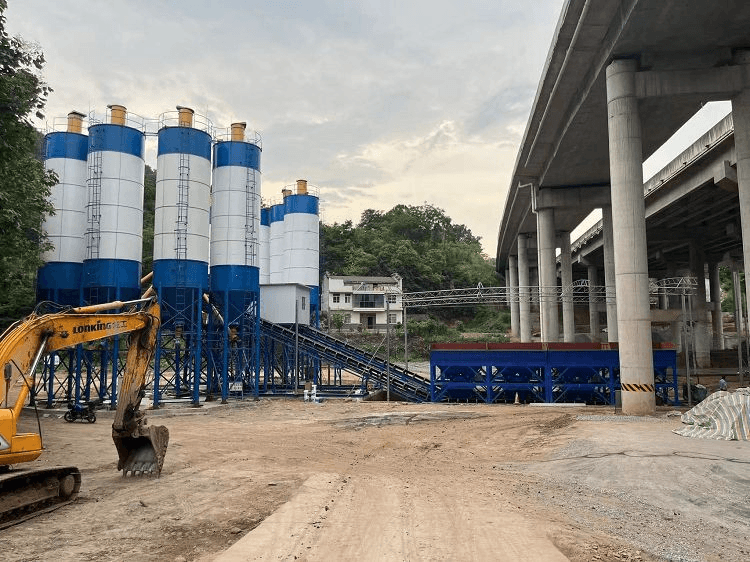
Essential Concrete Batching Plant Configurations Guide
Beyond the nameplate: A technical blueprint for selecting the right systems for your next construction project.
For project managers in regions like the Middle East or Southeast Asia, building a concrete mixing station is more than just purchasing hardware; it is about balancing throughput with site-specific constraints. At Xingye Machinery, we recognize that the configuration of your HZS-series plant determines your long-term ROI and operational reliability.
1. The Mixing System: Why Twin-Shaft is Standard
The heart of any modern plant is the JS-series forced twin-shaft concrete mixer. Unlike planetary or single-shaft mixers, the twin-shaft design provides superior homogeneity in shorter cycle times. This is critical when producing high-strength concrete or working in high-temperature environments where hydration begins quickly.
- JS500/JS750: Ideal for HZS25 and HZS35 small-scale plants.
- JS1000/JS1500: The workhorses for medium-sized infrastructure projects.
- JS2000+: Designed for high-volume commercial concrete production.
2. Material Conveying: Belt vs. Hopper
One of the most frequent dilemmas for engineers is choosing the aggregate delivery method. This decision impacts both the plant's footprint and its maximum hourly output.
| Feature | Hopper Lifting (Skip Hoist) | Inclined Belt Conveyor |
|---|---|---|
| Footprint | Compact (Ideal for urban sites) | Large (Requires more land) |
| Efficiency | Moderate (Intermittent batching) | High (Continuous feeding) |
| Maintenance | Higher cable/winch wear | Lower failure rate; easier access |
| Best For | HZS25, HZS35, HZS50 | HZS60, HZS90, HZS120, HZS180 |
3. High-Precision Weighing Systems
Inconsistent concrete strength is usually a result of weighing drift. Xingye Machinery utilizes independent electronic weighing for aggregates, cement, water, and additives. By using high-precision load cells and a microcomputer control system, we achieve a measurement accuracy of ±1% for cement and water, and ±2% for aggregates, meeting strict international standards.
4. Control and Automation
The "central nervous system" of the plant is the operation control system. For remote sites in Africa or Eastern Europe, we recommend a fully automated PLC system with manual override. This ensures that even if there is a software glitch, production does not stop. Modern systems now include cloud-based monitoring to track daily production and material consumption in real-time.
5. Storage and Environmental Protection
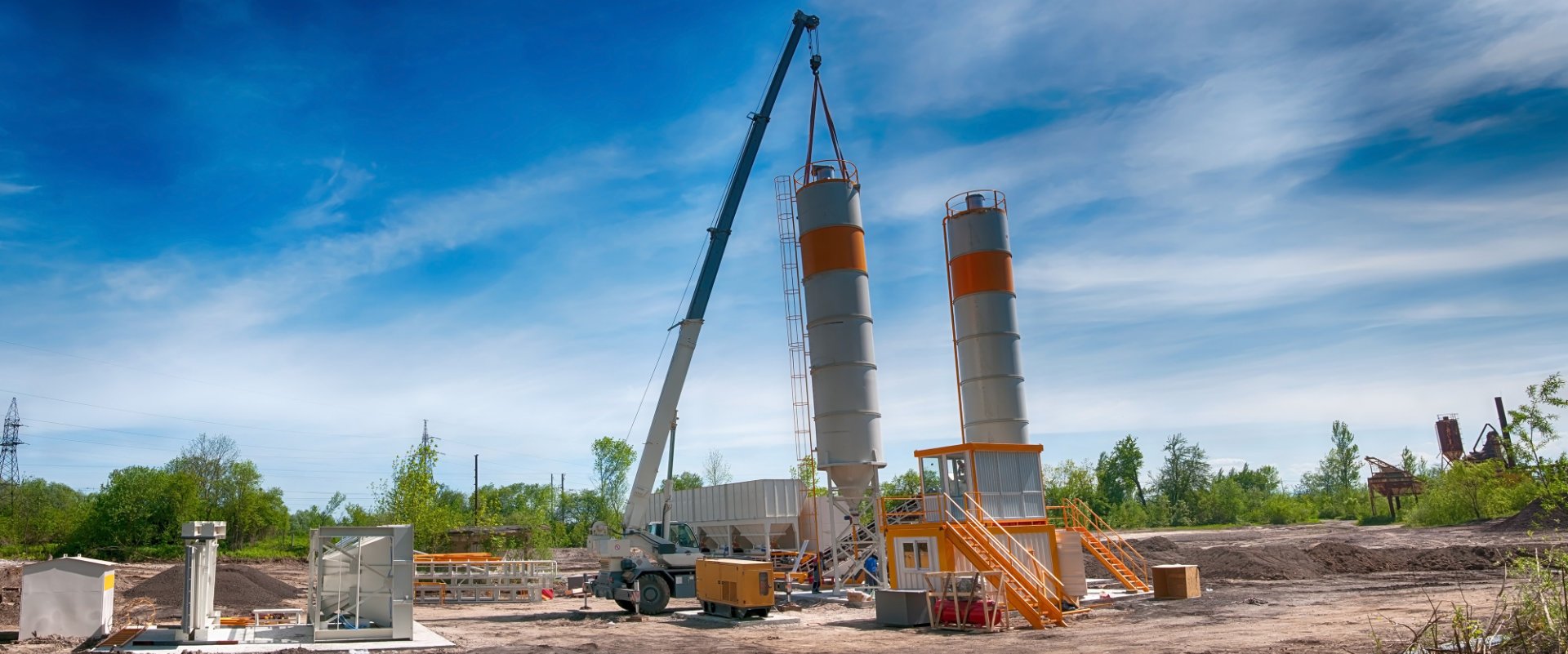
Powder storage (cement and fly ash) requires fully enclosed steel silos equipped with dust collectors and pressure relief valves. For sites in humid Southeast Asian climates, we recommend silos with enhanced moisture-proofing to prevent cement clumping, which can lead to screw conveyor blockages and costly downtime.
Selecting the right configuration requires an analysis of your specific project duration, required concrete grade, and local climate. Contact Xingye Machinery's engineering team today for a customized CAD site layout and a detailed technical proposal tailored to your regional requirements.
Related Posts :