
Host System Installation Guide for Concrete Batching Plants
Precision at the Core: A Step-by-Step Engineering Guide to Installing HZS-Series Host Systems
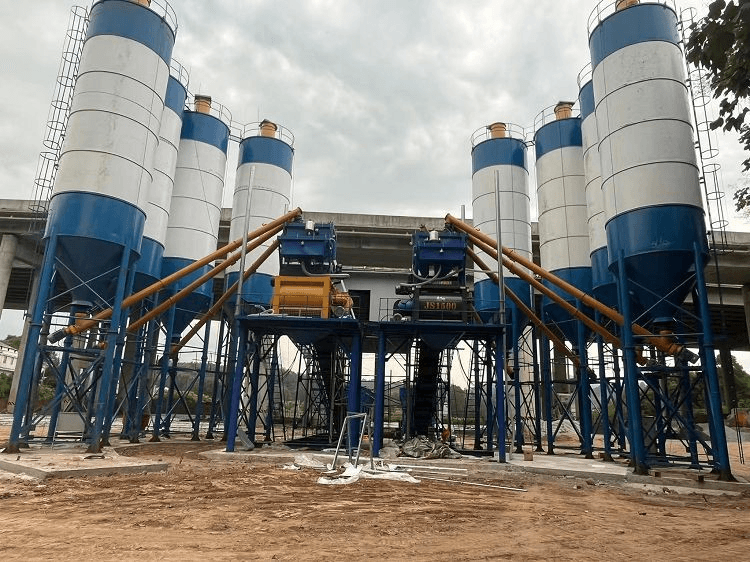
The host system is the heart of any concrete batching plant. Whether you are installing a high-capacity HZS120 or a compact HZS25, the structural integrity of the main frame and the alignment of the mixing unit determine the plant's long-term reliability and weighing accuracy. Improper installation often leads to vibration-induced fatigue and calibration drift.
Based on Xingye Machinery’s decades of field experience across the Middle East and Southeast Asia, here is the professional sequence for host system installation.
Step 1: Main Frame and Support Leg Alignment
The stability of the entire plant relies on the precision of the foundation interface. Begin by positioning the two main support legs over the pre-set anchor bolts on the concrete foundation. It is critical to adjust the relative positions of the legs according to the technical drawings before proceeding.
- Engineering Tip: Use a transit or laser level to ensure the foundation plates are perfectly co-planar. Even a 2mm deviation at the base can result in significant tilt at the top of the cement silos.
Step 2: Hoisting the Mixing Unit (JS-Series)
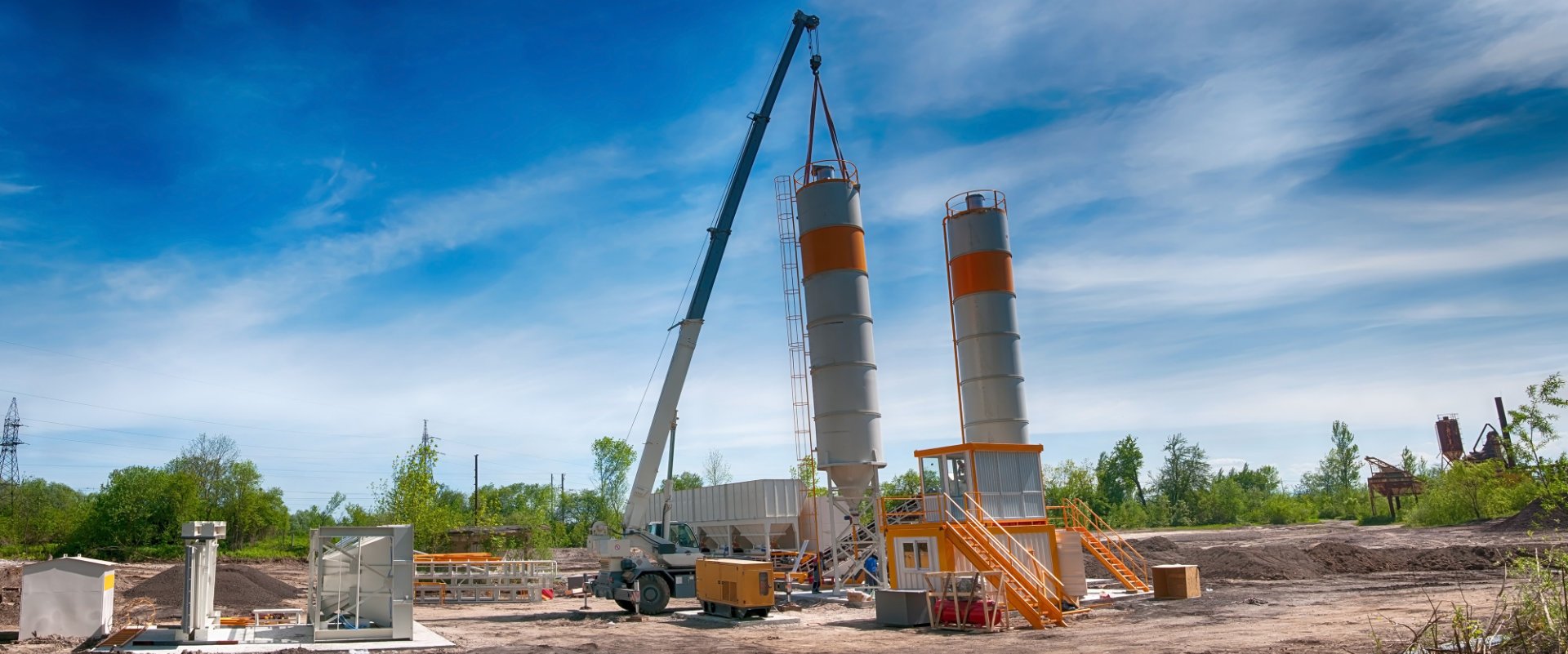
Once the legs are secured, the JS-series twin-shaft mixer (the mixing unit) is hoisted onto the legs. This is a critical lift due to the concentrated weight of the motors and gearbox.
After the unit is seated, verify that the chassis plane is perfectly horizontal. At this stage, secondary concrete pouring should be performed around the anchor bolts. Crucial: Allow the concrete to cure for 3 to 5 days. Only after the concrete reaches its design strength should you perform the final tightening of the anchor bolts and proceed to hoist the hopper.
Step 3: Control Room and Access Platforms
The main control room should be hoisted next. This involves installing the dedicated support legs and connecting them to the main structure. During this phase, ensure all safety ladders and platforms from the control room to the mixing layer are installed immediately.
For projects in high-temperature regions like Saudi Arabia or the UAE, ensure the control room's thermal insulation and HVAC mounts are checked during this structural phase to avoid retrofitting difficulties later.
Step 4: Metering Unit Integration
The final major component of the host system is the metering unit (including water, cement, and additive scales). Hoist the metering unit above the mixing unit and secure it using the specified high-tensile bolts. Once secured, install the vertical ladders connecting the mixing layer to the metering layer to allow for routine maintenance and sensor calibration.
Installation Checklist for Host Systems
| Component | Critical Checkpoint | Tolerance/Requirement |
|---|---|---|
| Support Legs | Verticality and span distance | ±2.0mm |
| JS Mixer Chassis | Horizontal levelness | ≤ 1/1000 |
| Anchor Bolts | Curing time before final torque | 72 - 120 Hours |
| Metering Unit | Scale frame isolation | Zero contact with vibrating parts |
Correct installation is the first step toward high-efficiency concrete production. If you are planning a new site setup or require technical supervision for an HZS-series plant, contact the Xingye Machinery engineering team for detailed CAD layouts and installation support.
Related Posts :