

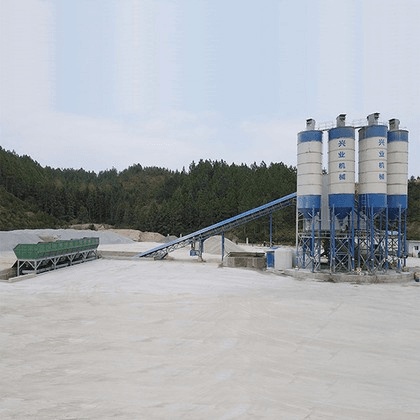
Concrete Batching Plant SOP: 2024 Safety & Operating Guide
Protect your equipment and ensure mix consistency with Xingye Machinery’s professional operating standards.
In the high-stakes environment of a construction site, the concrete batching plant is the heart of operations. Improper handling doesn't just lead to poor mix quality—it risks catastrophic motor failure and weeks of downtime. This 2024 guide outlines the essential operating procedures for Xingye Machinery’s HZS and JS series equipment.
1. Pre-Operation & Personnel Certification
Safety begins with expertise. Only personnel who have passed rigorous examinations and hold a valid Operation Certificate should manage the control system. Operators must be intimately familiar with the specific mechanical structure of the HZS stationary or mobile units they are handling.
Before activation, ensure all auxiliary equipment—including belt conveyors, loaders, and cement silos—are synced with the central control box. Signal indicators from the hopper must be verified to ensure the automatic feed logic is functional.
2. Critical Startup Sequence
A common mistake is rushing the startup sequence, which can strain the electrical system and pneumatic components.
- Power On: Activate the key switch and wait for the display screen to initialize before starting any motors.
- Pneumatic Check: Start the air compressor first. Operation of metering or discharging gates must never begin until the system pressure exceeds 0.4Mpa.
- Load Status: Never start the mixer under full load. This is a leading cause of JS-series motor burnouts.
3. Precision Metering & Weight Calibration
Inconsistent concrete often stems from "weighing drift" or material blockages. Our systems use cumulative weighing for aggregates (sand and stone).
| Operation Mode | Key Action | Troubleshooting |
|---|---|---|
| Automatic | Monitor "Drop Compensation" | Adjust knob if actual weight deviates from set value. |
| Manual | Cumulative visual check | If numbers stall, use the "Vibrator" button to clear blockages. |
| Discharge | Sequential release | Ensure "Mixer Empty" light is green before starting the next batch. |
4. Real-Time Monitoring and Electrical Safety
During the mixing cycle, the operator must monitor the current values on the control panel. For standard operations, the current should typically oscillate between 20A and 45A. Any sudden spike beyond this range indicates aggregate over-grading or a mechanical obstruction in the twin-shaft mixer.
5. Post-Operation & Climate-Specific Care
The longevity of a batching plant is determined by how it is shut down. Residual concrete in the drum hardens rapidly, leading to blade damage.
Daily Shutdown Checklist:
- Thoroughly rinse the mixing drum, discharge door, and hopper with high-pressure water.
- In cold climates (Eastern Europe/Russia), you must drain all water from the pumps, admixture tanks, and additive lines to prevent expansion cracks.
- Run the water and admixture pumps for 60-120 seconds after draining to ensure the internal impellers are dry.
Following these procedures ensures your Xingye Machinery equipment maintains its 10,000+ hour MTBF (Mean Time Between Failures). For technical support or to download specific CAD foundation plans for our HZS series, contact our engineering department today.
Related Posts :