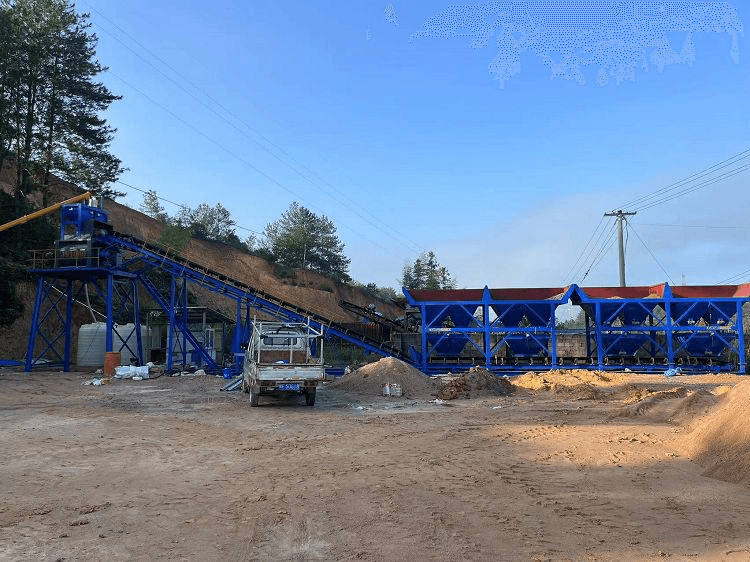
Essential Pre-Shift Checklist for Concrete Batching Plants
Prevent Costly Downtime: 14 Critical Inspections Every Operator Must Perform Before Production
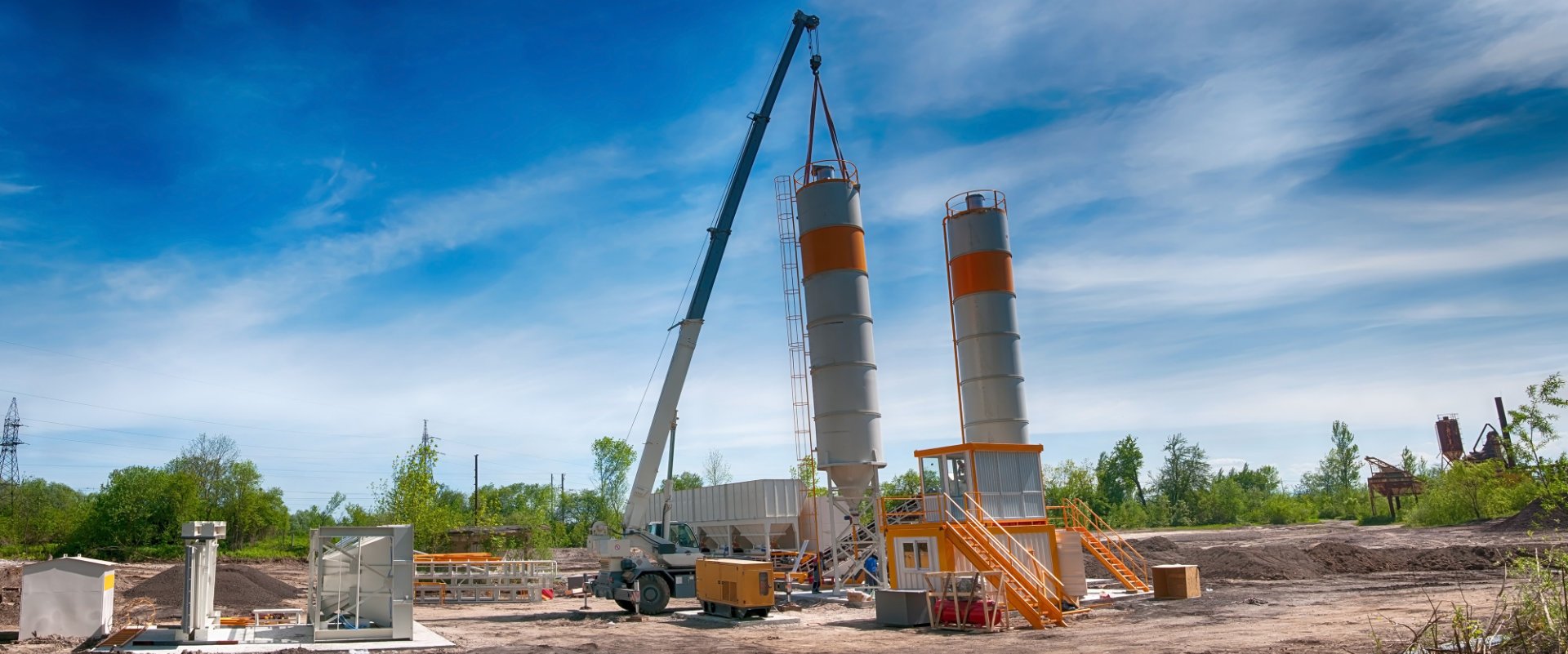
In the high-stakes environment of a concrete production site, 15 minutes of prevention saves 15 hours of repair. Failure to perform a systematic pre-shift inspection is the leading cause of premature motor failure, belt breakage, and "cold joints" in structural concrete. At Xingye Machinery, we advocate for a rigorous "Zero-Failure" startup protocol to ensure your HZS or JS series equipment operates at peak efficiency.
1. Lubrication and Mechanical Integrity
The lifeblood of your batching plant is its lubrication system. Before engaging the main drive, operators must verify:
- Oil Levels: Check the mixer reducer, discharge gate hydraulic pump, and the mixing shaft head. The shaft head oil level should never drop below 1/2 capacity.
- Grease Points: Ensure the belt conveyor and screw conveyor lubrication points are adequately greased and that all joints are secure.
- Internal Inspection: Verify that no foreign metal objects are inside the mixing drum. Check that the mixing blades and liners are secured; loose bolts here can cause catastrophic drum damage.
2. Electrical and Control System Sequence
To protect the PLC and sensitive electronics from power surges, follow this specific startup order:
- Main Power Switch
- Control Power Switch
- Purification Power Switch
- PLC Power Switch
- Industrial Control Power (Start monitoring program)
Always check the monitoring box for abnormal indicators regarding oil temperature and lubrication motor status before proceeding.
3. Fluid and Pneumatic Systems
A drift in air pressure or a leak in the admixture line can ruin an entire batch of high-performance concrete.
| System Component | Required Standard/Status |
|---|---|
| Air Circuit Pressure | 0.55 ~ 0.7 Mpa |
| Concrete Arch Air Pressure | 0.02 Mpa |
| Water/Admixture Systems | Zero leakage; Tanks at full capacity |
| Solenoid Valves | Smooth cylinder opening/closing response |
4. Load-Testing and Conveyance
Never start a plant under load. Run the belt conveyor idle for 10 minutes to check for deviation, abnormal noise, or fraying. Similarly, manually test the screw conveyor before engaging automated batching. If the plant stops due to a power outage, the discharge door must be opened immediately to drain materials and prevent concrete from hardening inside the drum.
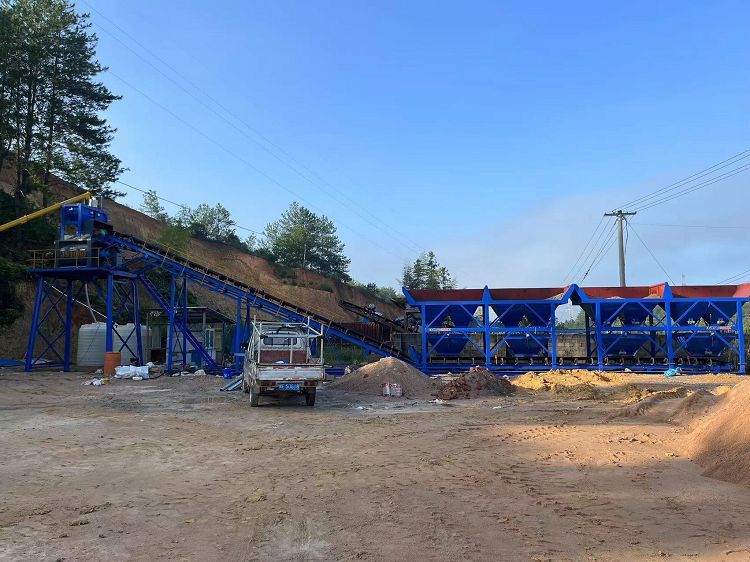
5. Specialized Cleaning for High-Grade Projects
For projects involving C40 grade concrete or higher, standard flushing is insufficient. The main machine must be flushed every 3–4 hours. When producing high-strength mixes, operators must use high-pressure water guns for auxiliary flushing of the material door shaft to prevent buildup that can throw off weighing accuracy.
Need a localized maintenance schedule for your specific climate? Contact Xingye Machinery’s engineering team for a custom SOP tailored to your site conditions.
Related Posts :