Concrete Batching Plant Safety: 5 Critical On-Site Protocols
Preventing accidents during plant setup and operation isn't just about compliance—it's about protecting your project's timeline.
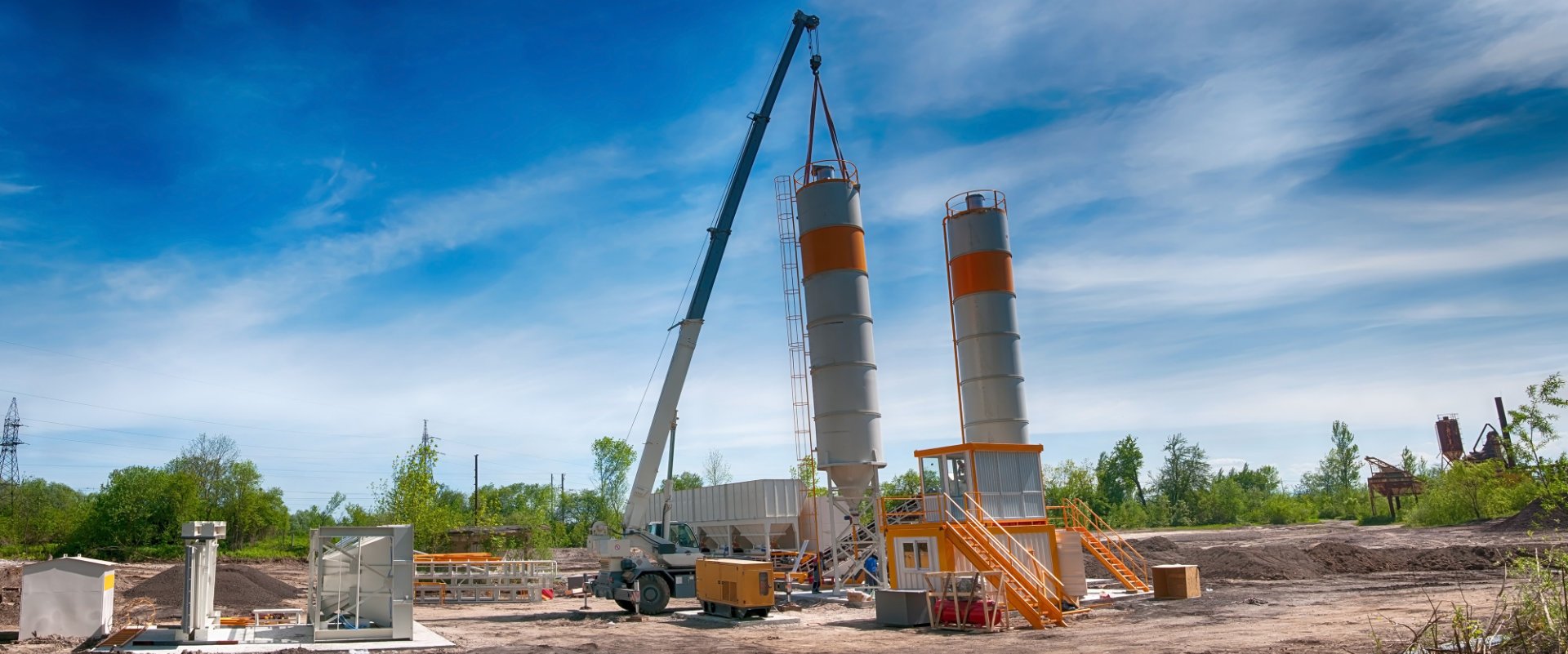
The setup and initial operation of a concrete batching plant are the most high-risk phases of any construction project. From mechanical instability during assembly to operator error during peak production, the margin for error is slim. At Xingye Machinery, we prioritize safety as much as throughput.
To avoid costly downtime and ensure the longevity of your HZS-series batching plant or JS-series twin-shaft mixer, management teams must implement these five rigorous safety protocols.
1. Mandatory Operator Certification
Mechanical equipment operators must undergo rigorous training by relevant authorities. Unlicensed operation is a primary cause of equipment failure and site accidents. Beyond basic licensing, ensure that:
- New Drivers: Undergo a mandatory internship period to familiarize themselves with the specific nuances of the mixing station layout.
- Recertification: Operators are briefed on updated safety standards every six months, especially in high-humidity or high-dust environments.
2. Hazard Zoning and Signal Protocols
When an HZS90 or HZS120 plant is in operation, the "Danger Zone" (the radius of mechanical rotation and discharge) must be strictly enforced. Construction personnel should never enter these areas without a clear signal protocol.
| Risk Area | Primary Danger | Safety Requirement |
|---|---|---|
| Mixer Discharge Chute | Mechanical crushing/trapping | Lock-out/Tag-out (LOTO) during cleaning |
| Aggregate Batcher | Falling materials/moving belts | Hard hat zone + physical barriers |
| Cement Silo Base | Pressure release/dust inhalation | Regular pressure valve inspections |
3. The "Three-Work" Safety System
Consistency is the enemy of complacency. We recommend the "Three-Work" system to maintain high safety standards across shifts:
- Pre-work Reminders: Briefing on specific site conditions (e.g., weather changes or upcoming high-volume pours).
- In-work Inspections: Real-time monitoring of mechanical stability and operator behavior.
- Post-work Summaries: Documenting any "near-misses" or mechanical hiccups to prevent future failures.
4. Mechanical Stability and Protection
During the construction of the mixing station, ensure all safety protection facilities—such as guardrails on the cement silo platforms and covers for the JS mixer—are installed before the first test run. Poor machine condition or lack of safety guards are leading causes of preventable site injuries.
5. Maintenance Safety during Construction
Accidents often occur during routine maintenance or "quick fixes." Always ensure the power supply is disconnected and the control system is locked before any technician enters the mixing drum or adjusts the screw conveyor.
For more detailed technical specifications on our safety-first equipment designs, you can contact our engineering team or request a CAD layout for your next site setup.
Related Posts :