Concrete Mixing Plant vs. Mixing Tower: Key Differences
The 'One-Lift' vs. 'Two-Lift' choice: How your plant's architecture affects output by 20%.
In the world of high-volume concrete production, the terms "mixing station" (plant) and "mixing tower" are often used interchangeably. However, for a project manager or lead engineer, the architectural differences between these two systems have significant implications for daily output, energy costs, and maintenance cycles.
The Core Distinction: The 'Lift' Count
The most fundamental engineering difference lies in how aggregates (sand and stone) are handled. In the industry, we distinguish them by the number of times the material must be elevated before reaching the mixer.
- Mixing Tower (Single-Lift): The aggregate bins are positioned at the top of the structure. Material is lifted once to the top-level storage. From there, gravity handles the movement through the metering system and into the mixer.
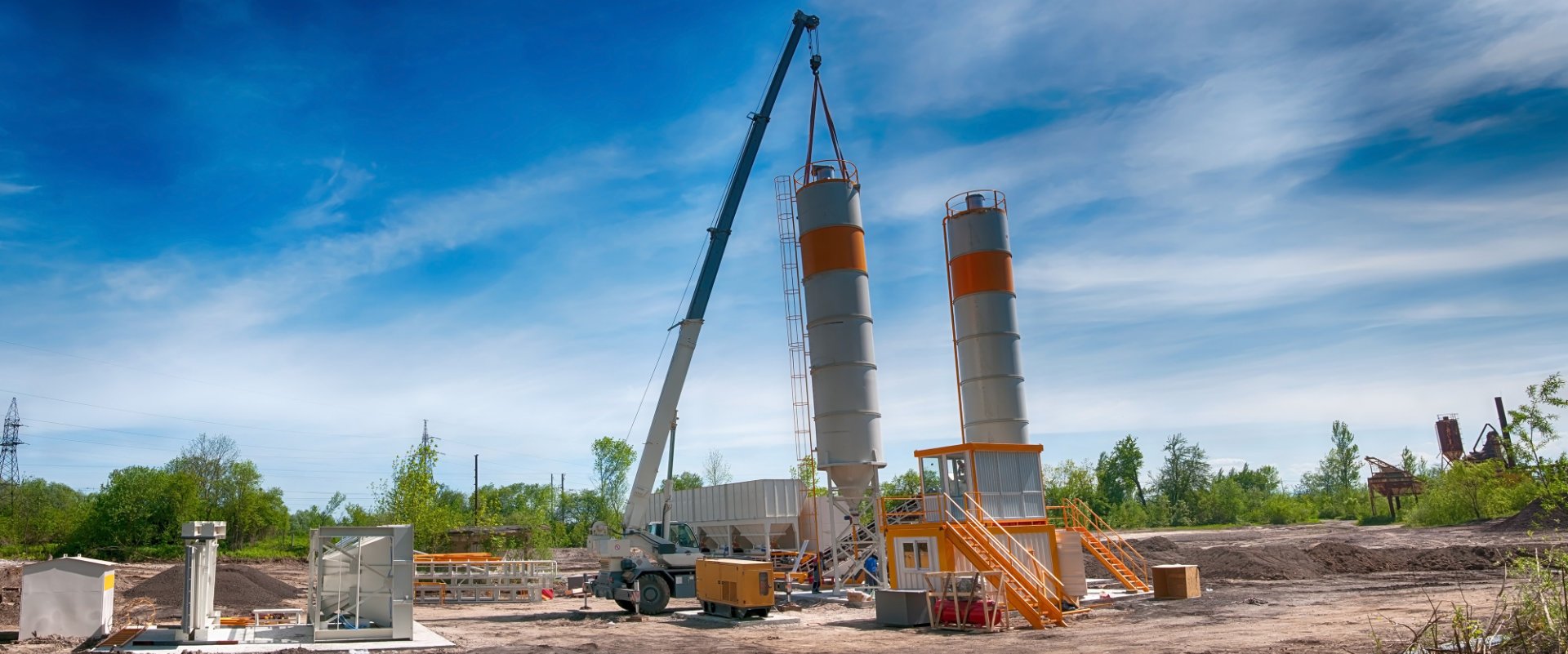
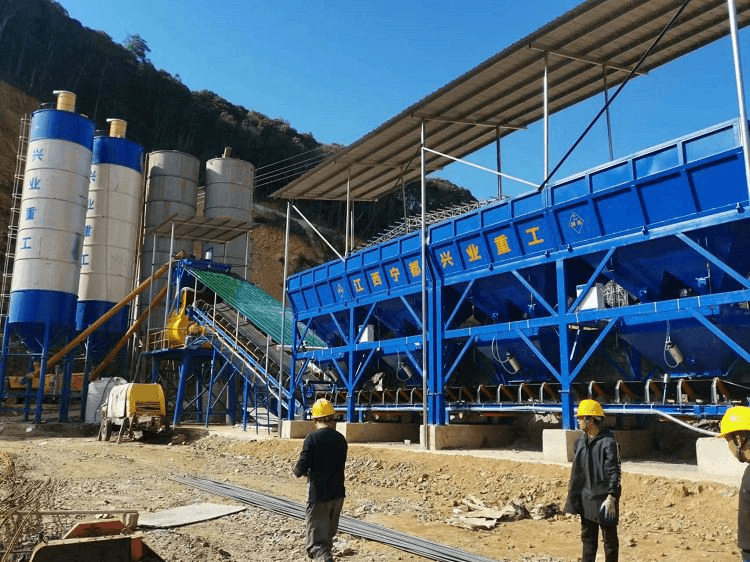
- Mixing Plant (Double-Lift): Aggregate bins are located at ground level. Material is first lifted into the bins, then measured, and lifted a second time via an inclined belt conveyor or skip hoist to reach the mixer.
Technical Comparison: Efficiency and Performance
Because the mixing tower eliminates the need for a secondary inclined belt transport during the batching cycle, it offers distinct advantages in high-demand environments.
| Feature | Concrete Mixing Plant (Station) | Concrete Mixing Tower |
|---|---|---|
| Productivity | Standard (HZS Series) | Approx. 20% higher than plants |
| Energy Consumption | Higher (Frequent belt/motor starts) | Lower (Gravity-fed flow) |
| Structure | Modular and spread out | Vertical and integrated |
| Footprint | Large (Requires long conveyor space) | Compact (Vertical height) |
| Mobility | High (Easy to disassemble/relocate) | Low (Fixed, permanent installation) |
1. Maintenance and Reliability
In a standard concrete mixing plant, the inclined belt conveyor is a frequent point of failure. The constant start-stop cycle under heavy loads increases wear on the motor and belt tracking issues. In contrast, the mixing tower utilizes a vertical design that reduces mechanical complexity during the mixing phase, leading to a lower overall failure rate.
2. Power Efficiency
For regions with high electricity costs, such as the Middle East or parts of Africa, the mixing tower is often the superior long-term investment. By utilizing gravity for the second stage of material movement, the total kilowatt-hours per cubic meter of concrete produced is significantly lower than that of a belt-fed station.
Which Architecture Fits Your Project?
Choosing between these two systems depends on your specific application and site constraints:
Choose a Mixing Plant (HZS Series) if:
- You are working on infrastructure projects (highways, bridges) that require the equipment to move every 12-18 months.
- You have a limited initial CAPEX budget.
- The site has ample horizontal space but height restrictions.
Choose a Mixing Tower if:
- You are establishing a permanent commercial concrete batching yard in an urban center.
- You require maximum throughput (m³/h) with minimal energy overhead.
- You are supplying large-scale, long-term water conservancy or dam projects.
At Xingye Machinery, we specialize in optimizing both configurations to meet ISO 9001 and CE standards. Whether you need the rugged portability of our HZS series or the high-efficiency output of a custom-engineered tower, our team provides the technical layout and CAD support to ensure your site's success.
For a detailed technical consultation or a breakdown of the ROI between these two systems, contact our engineering team today.
Related Posts :