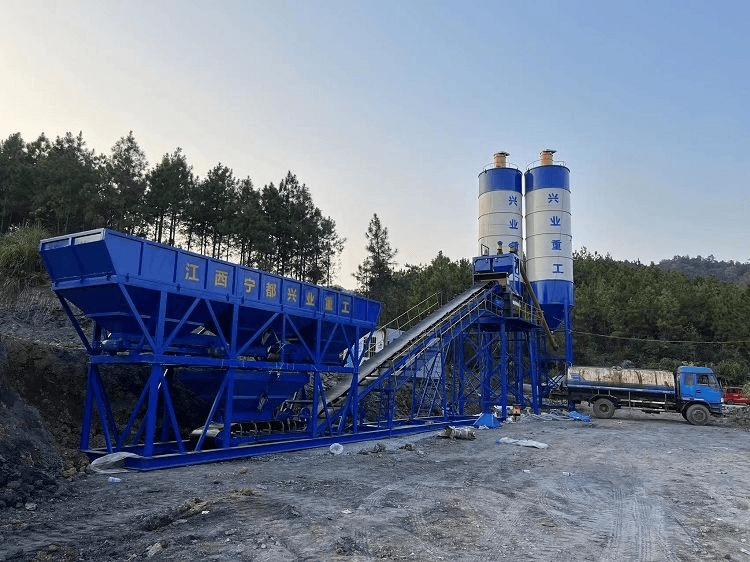
Concrete vs. Stabilized Soil Plants: 3 Critical Differences
Choosing the wrong mixing equipment can lead to structural failure or massive budget overruns. Do you know which one you need?
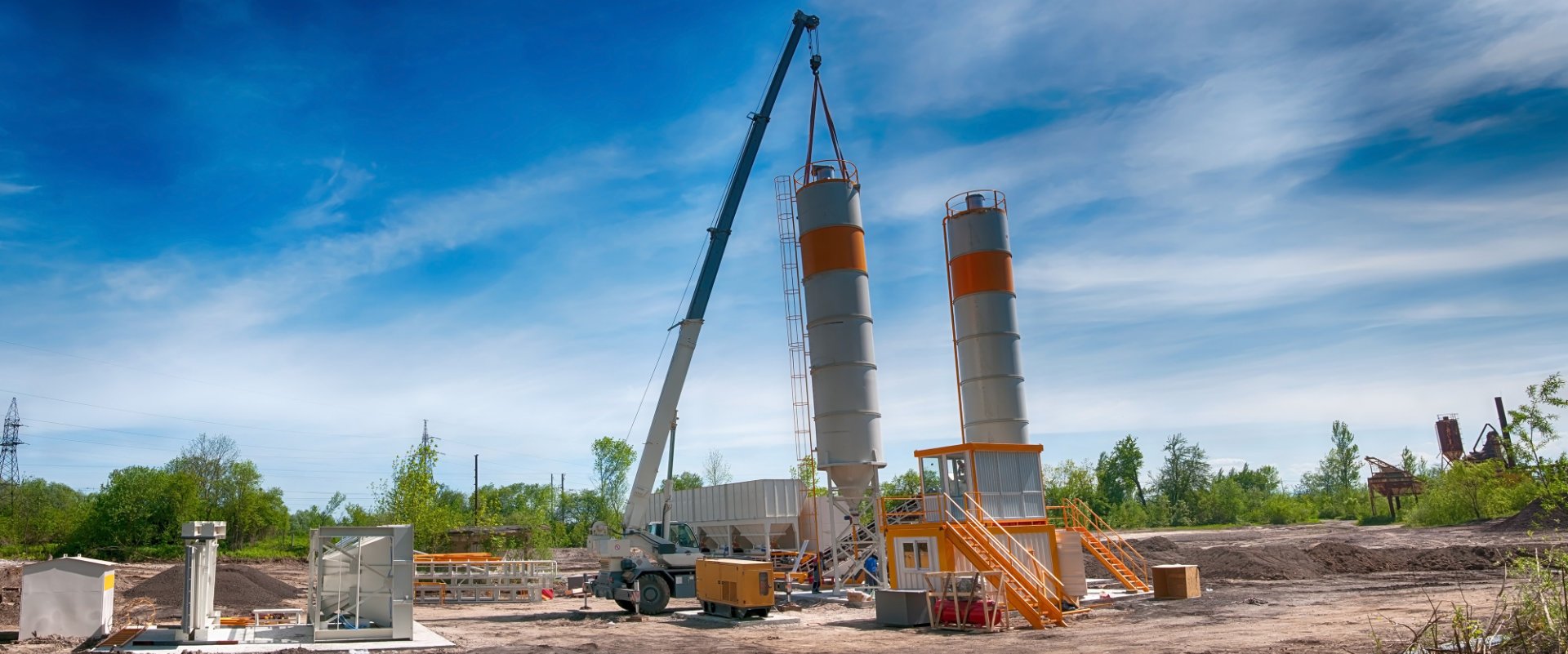
In the world of heavy construction, the terms "mixing station" and "batching plant" are often used interchangeably by procurement teams, but for an engineer, they represent two entirely different mechanical philosophies. Misidentifying a WBZ-series stabilized soil plant for an HZS-series concrete batching plant can lead to critical errors in material strength and project compliance.
At Xingye Machinery, we help project managers from Saudi Arabia to the Philippines select the right equipment. Here is the technical breakdown of how these two systems differ in operation, precision, and application.
1. Operation Mode: Continuous vs. Intermittent (Batch)
The most fundamental difference lies in the workflow. A stabilized soil mixing plant (WBZ) operates on a continuous basis. Raw materials enter one end of the mixer, and the finished product is discharged at the other end without stopping. This allows for high-volume output necessary for massive road-base projects.
Conversely, a concrete batching plant (HZS) uses intermittent (batch) operation. The mixer processes one "batch" at a time—weighing, mixing, and discharging before the next cycle begins. This ensures the high homogenization required for structural concrete.
2. Metering Precision: Dynamic vs. Static
Precision is where the two machines diverge most significantly in terms of engineering:
- WBZ (Dynamic Metering): Uses electronic belt scales and flow sensors to measure materials as they move. While efficient for high volumes, dynamic metering has a higher margin of error, which is acceptable for road sub-bases but not for high-rise structures.
- HZS (Static Metering): Uses dedicated weighing hoppers and high-precision load cells. Each material (cement, water, additives, aggregate) is weighed in a stationary state before entering the mixer. This "static" approach ensures 100% compliance with strict international mix design standards.
3. Application and Material Output
The end-use of the material dictates which plant you should deploy on your job site.
| Feature | Stabilized Soil Plant (WBZ) | Concrete Batching Plant (HZS) |
|---|---|---|
| Primary Use | Road foundations, sub-bases, airport runways | Bridges, high-rise buildings, dams, precast |
| Mixer Type | Continuous twin-shaft mixer | JS-series forced twin-shaft mixer |
| Material Consistency | Dry/Semi-dry (Soil, lime, lean cement) | Plastic, fluid, or stiff structural concrete |
| Output Volume | Very High (up to 600t/h+) | Moderate to High (25m³/h to 180m³/h) |
Which Equipment Does Your Project Require?
If you are bidding on a highway project in Romania or a rural road development in Africa, a WBZ stabilized soil plant is your best choice for speed and cost-efficiency. However, if your project involves structural elements like piers, slabs, or columns, the precision of an HZS concrete batching plant is non-negotiable.
Are you unsure about the local standards for your next project? Xingye Machinery’s engineering team can provide a full technical consultation and CAD site layout to ensure your equipment matches your production requirements. Contact us today for a detailed quote on our HZS and WBZ series plants.
Related Posts :