Solving Skip Hoist & Feeding Issues in Concrete Mixers
A stuck hopper stops your entire production line. Learn how to diagnose and fix common skip hoist failures.
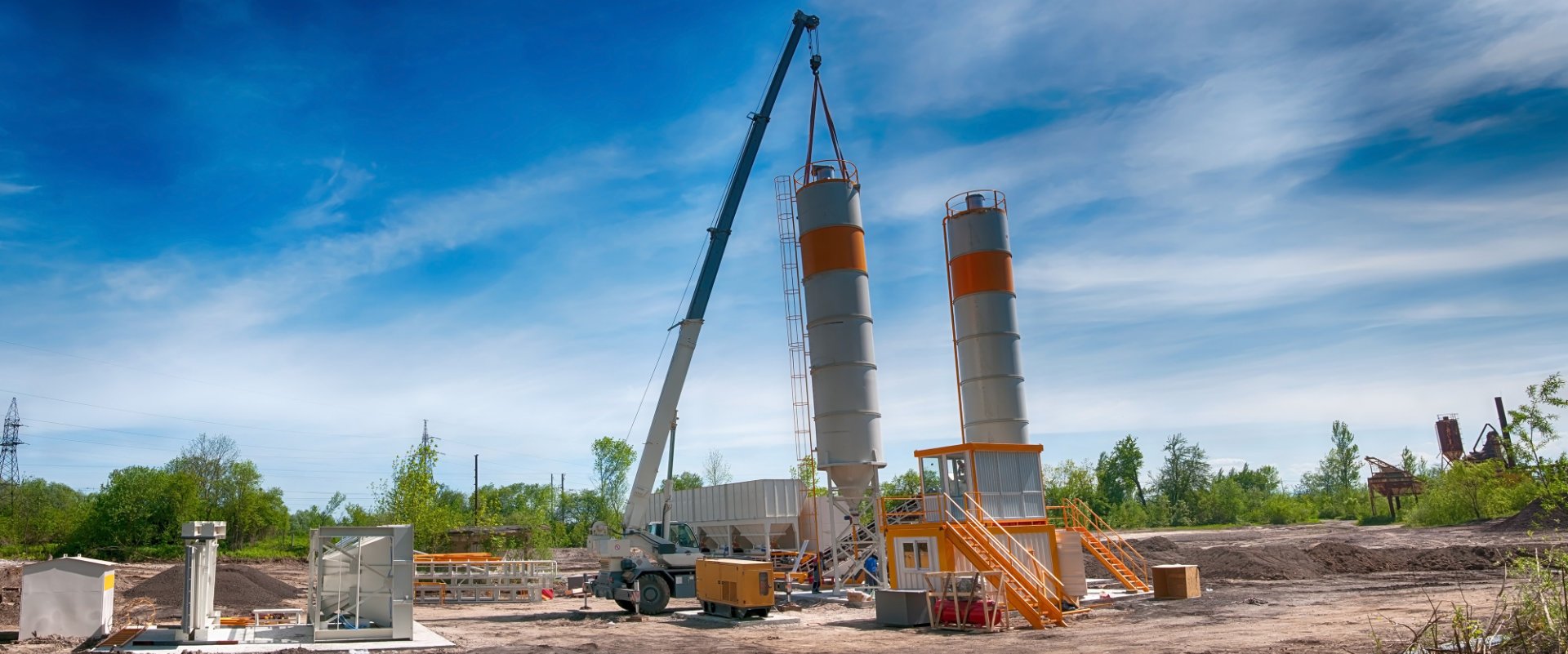
In small-to-medium concrete batching plants like the HZS25, HZS35, and HZS50, the skip hoist (hopper feeding) system is the heartbeat of the operation. Unlike long-distance belt conveyors used in large-scale plants, skip hoists offer a compact footprint and lower initial investment. However, because they rely on mechanical wire ropes, tracks, and limit switches, they are susceptible to specific mechanical failures that can halt production instantly.
Understanding the JS-Series Feeding Mechanism
The JS forced twin-shaft mixer utilizes a skip hoist system where an electromagnetic brake motor drives a winding drum. This drum pulls a wire rope through a pulley system, causing the hopper to climb the feeding track. At the apex, rollers on the hopper door engage a horizontal "fork," automatically discharging the aggregate into the mixing drum. Precision in the track alignment and limit switch calibration is critical for safe operation.
Common Feeding Problems and Engineering Solutions
Based on 20+ years of field service across Southeast Asia and the Middle East, our engineers have identified the four most common failure points in hopper-fed plants.
| Observation | Root Cause | Engineering Solution |
|---|---|---|
| Unstable Hopper Movement | Warped tracks or uneven rail surface causing poor roller contact. | Check track parallelism. Re-align rails to ensure they are perfectly straight and level. |
| Over-Travel (Top Dead Center) | Failure of the automatic limit switch or a deformed limit baffle. | Immediately replace the limit switch. Adjust and reinforce the limit baffle to prevent bypass. |
| Hopper Jamming Mid-Track | Guide rail misalignment or foreign debris trapped in the discharge door. | Re-level the guide rail system and clear debris from the discharge mechanism. |
| Failure to Discharge | Wire rope stretching (creep) or loose wire rope clips. | Adjust the rope tensioner and tighten all U-bolt clips to manufacturer specifications. |
1. Preventing Limit Switch Failure
The most dangerous failure occurs when the hopper exceeds the "top dead center." This can snap the wire rope, causing the hopper to free-fall. In humid environments like the Philippines or Vietnam, limit switch contacts often corrode. We recommend upgrading to IP67-rated sealed limit switches and performing weekly manual trigger tests.
2. Managing Wire Rope Integrity
Wire ropes are consumable items. In high-dust environments (common in Saudi Arabia or UAE), sand can act as an abrasive, wearing down the rope strands. Regular lubrication with a non-tacky wire rope dressing is essential to prevent "bird-caging" and stretching.
3. Track Alignment and Foundation Stability
If your plant is installed on soft soil without a proper concrete pad, the chassis may settle unevenly. Even a 5mm shift can cause the hopper tracks to warp, leading to the "unstable movement" mentioned above. Always verify track alignment after the first 100 hours of operation.
Are you experiencing recurring feeding issues or looking to upgrade your JS-series mixer components? Our technical team can provide detailed CAD drawings for track replacements and high-durability wire rope specifications. Contact Xingye Machinery engineering support for a personalized maintenance schedule.
Related Posts :