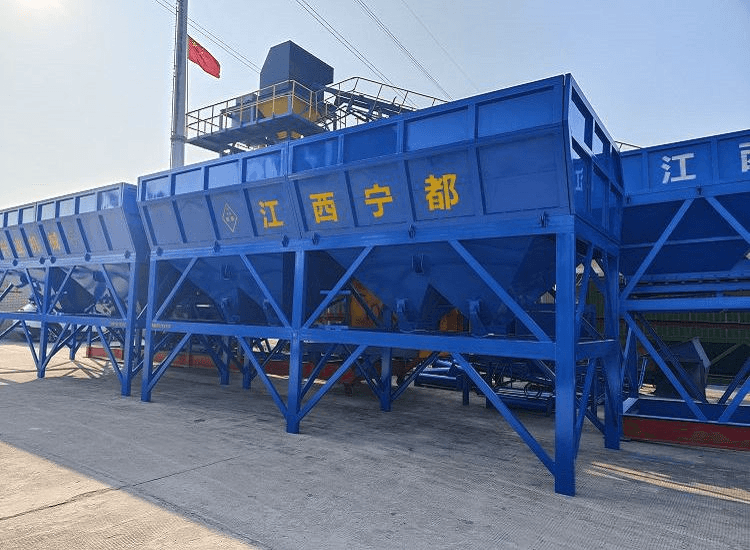
Concrete Batching Machine Principles: Ensuring Mix Precision
The difference between 'good enough' and 'high-strength' concrete starts at the batching hopper.
In the world of construction, the concrete batching machine (often referred to as the PLD series) is the "precision gatekeeper." If your aggregate ratios are off by even 2%, the structural integrity of your entire pour is compromised. Understanding the working principle of these machines is critical for site engineers looking to minimize waste and maximize strength.
The Automated Batching Cycle: Step-by-Step
Modern concrete batching machines operate on a sophisticated feedback loop between the storage hoppers and the central control system. Here is the technical breakdown of the process:
1. Material Loading and Storage
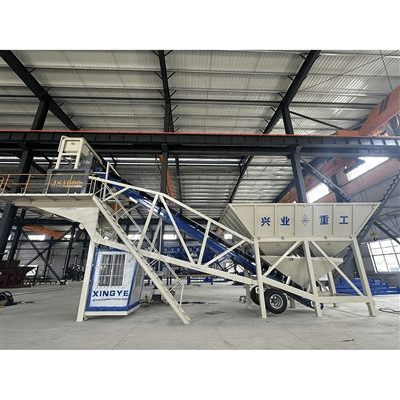
Aggregates (sand, gravel, and crushed stone) are loaded into separate storage hoppers. Depending on the site layout, this is handled by a wheel loader or, in underground installations, via gravity-fed chutes. For high-efficiency operations like the HZS90 or HZS120 plants, maintaining a consistent material head in these hoppers is vital to prevent feeding surges.
2. The Controller: The Brain of the Operation
The operator inputs the specific mix design (recipe) into the batching controller. This system manages the sequence of operations. A key engineering tip: always set unused material channels to zero to avoid "phantom weighing" errors during the cycle.
3. The Sequential Weighing Process
Most standard batching machines utilize cumulative weighing. When the "Start" button is pressed:
- Material I: The first belt conveyor activates, transporting aggregate into the weighing hopper. Load cells monitor the weight in real-time. Once the setpoint is reached, the belt stops instantly.
- Material II & III: The system automatically tares or calculates the cumulative sum, starting the next belt. For example, if Material I is 500kg and Material II is 500kg, the belt stops when the total reaches 1000kg.
- Precision Check: High-quality machines like those from Xingye Machinery feature "fine-drop" compensation to account for material still in the air after the belt stops.
4. Discharge and Reset
Once the full recipe is batched, the machine enters a "waiting" state. Upon receiving a signal from the mixer (such as a JS series twin-shaft mixer), the discharge belt unloads the dry aggregates into the mixer hopper. The system then automatically resets, beginning the next cycle to ensure a continuous supply of concrete.
Technical Specifications: PLD Series Comparison
| Model Parameter | PLD800 | PLD1200 | PLD1600 |
|---|---|---|---|
| Weighing Volume (L) | 800 | 1200 | 1600 |
| Storage Bin Capacity (m³) | 2-3 x 3.0 | 2-3 x 5.0 | 3 x 7.0 |
| Batching Accuracy | ±2% | ±2% | ±2% |
| Max Aggregate Size (mm) | ≤60 | ≤60/80 | ≤80 |
Overcoming Common Engineering Pain Points
Problem: Calibration Drift in Humid Climates
In regions like Southeast Asia or the Middle East, humidity can affect the sensitivity of load cells. We recommend a weekly calibration check using standard weights to ensure the batching controller hasn't drifted due to environmental factors.
Problem: Aggregate Segregation
If the drop height from the storage hopper to the weighing hopper is too great, larger stones may bounce out or segregate. Our PLD series is designed with optimized hopper angles and discharge heights to keep the mix homogeneous from the very first second.
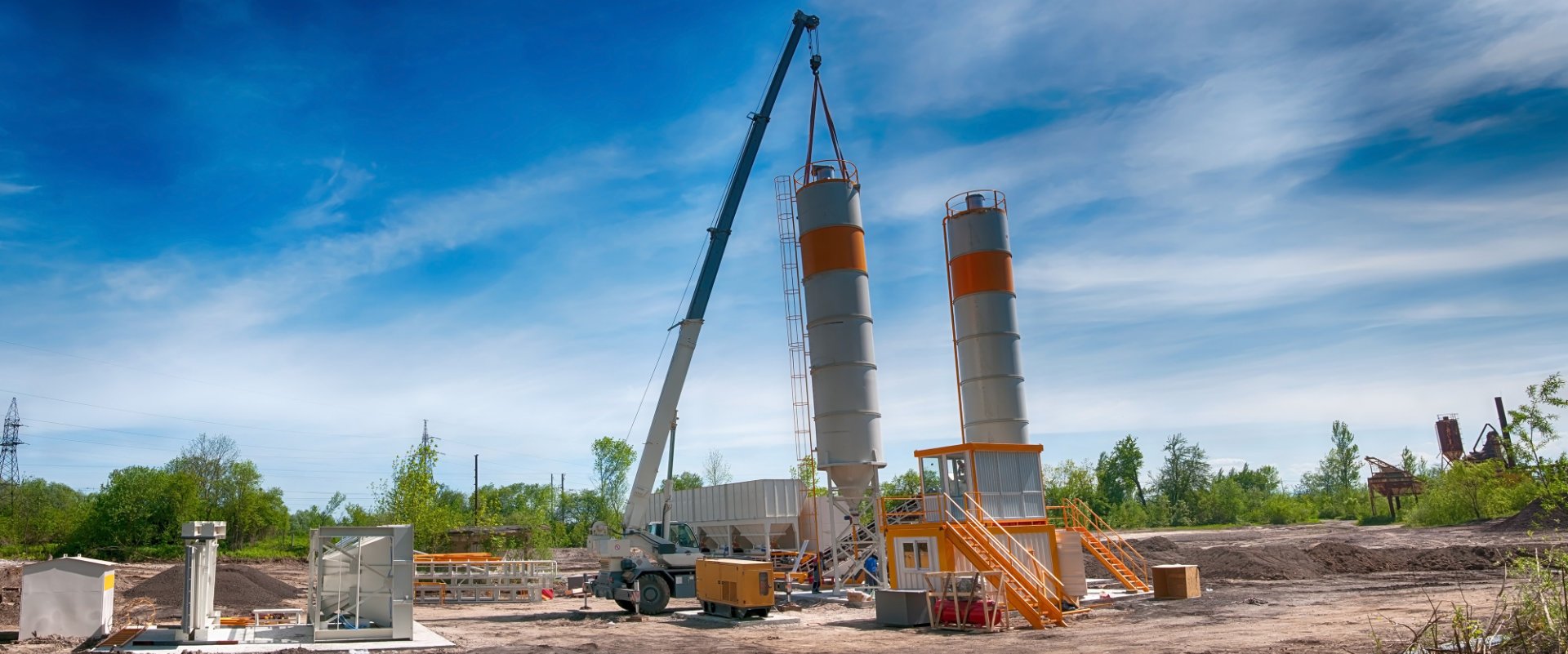
Whether you are setting up a temporary site in Romania or a permanent plant in Riyadh, the reliability of your batching machine dictates your project's pace. For detailed CAD layouts or technical consultations on how to integrate our batching machines into your current setup, contact the Xingye Machinery engineering team today.
Related Posts :