Concrete Batching Plant Components: A Technical Guide
Optimizing your HZS-series plant starts with understanding the 6 core systems that drive production efficiency.
For project managers and site engineers, a concrete batching plant is more than just a collection of steel and motors; it is a synchronized ecosystem where precision determines profitability. Whether you are operating a mobile HZS25 or a stationary HZS180, the reliability of your output depends on the synergy between six critical systems.
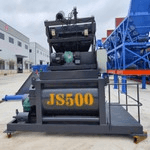
1. The Mixing Host: The Heart of the Plant
The mixer is the most critical component. At Xingye Machinery, we utilize JS-series twin-shaft forced mixers. Unlike gravity mixers, the twin-shaft design uses counter-rotating arms to create high-intensity turbulence, ensuring a homogenous mix even with high-viscosity concrete or heavy aggregates.
| Mixer Model | Charging Volume | Discharging Volume | Typical Application |
|---|---|---|---|
| JS500 | 800L | 500L | Small-scale precast/HZS25 |
| JS1000 | 1600L | 1000L | Medium infrastructure/HZS60 |
| JS2000 | 3200L | 2000L | Commercial ready-mix/HZS120 |
2. Material Storage and Transportation System
Efficiency is often lost in transit. This system manages the lifecycle of raw materials before they reach the mixer:
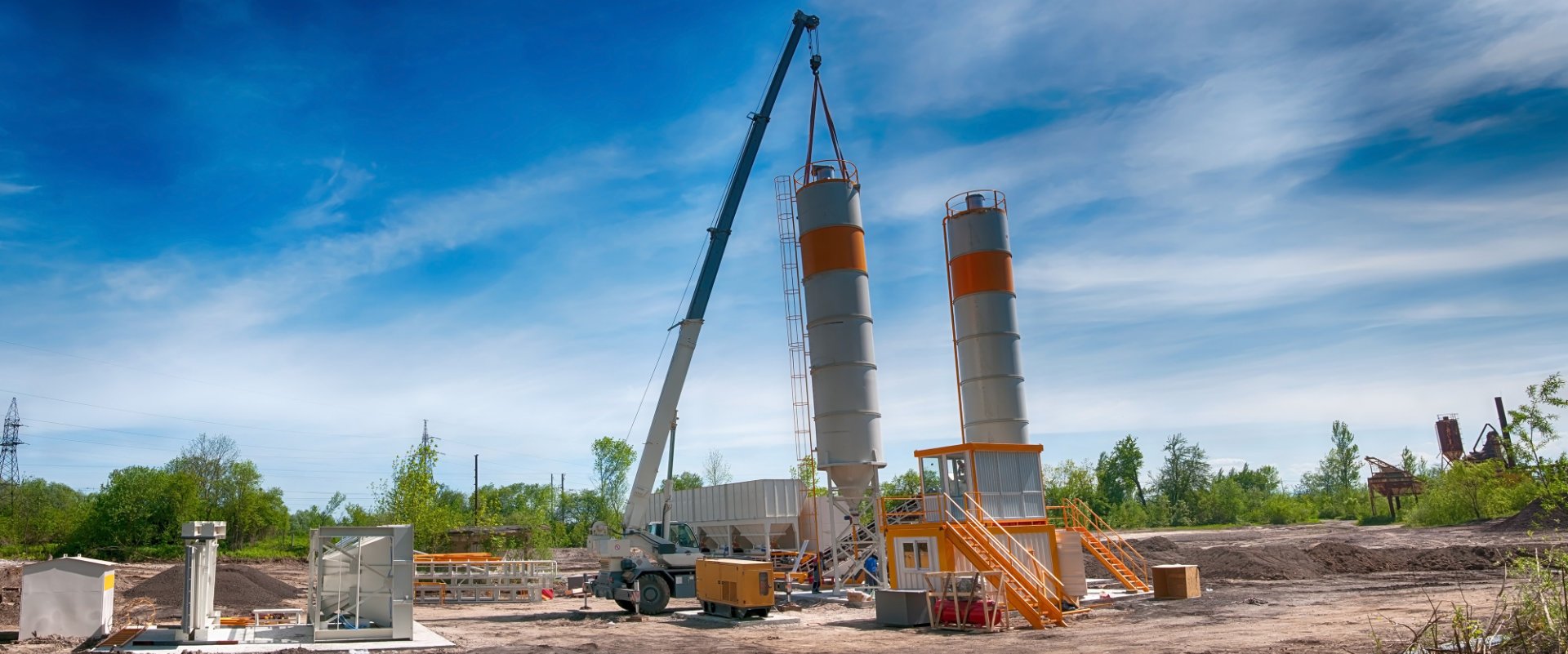
- Cement Silos: Bolted or welded designs with moisture-proof seals and pressure relief valves.
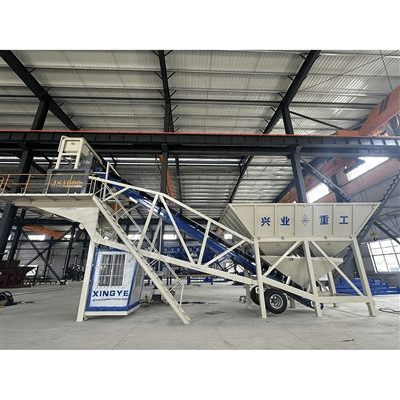
- Aggregate Bins: Multi-compartment hoppers (2 to 4 bins) designed for rapid loading via wheel loader.
- Conveying: We use high-angle belt conveyors for stationary plants to save footprint, and LSY-series screw conveyors for precise cement delivery from silos to weighing hoppers.
3. High-Precision Automatic Batching System
Inconsistent concrete strength is usually a batching error, not a mixing error. Our PLD-series batching machines utilize high-precision load cells and tension sensors. In humid climates like Southeast Asia or coastal regions, these sensors are sealed to prevent calibration drift caused by moisture ingress.
4. Water and Additive Delivery
Modern concrete recipes require more than just water. Our systems feature dedicated additive pumps and stainless steel weighing tanks. By using a pressurized spray bar within the mixer, we ensure that water and chemical admixtures are distributed instantly, reducing "balling" and shortening the mixing cycle by 15-20%.
5. The Electrical Control System (The Brain)
A plant is only as smart as its PLC. Xingye plants feature centralized control rooms equipped with industrial-grade computers. Key Features:
- Real-time recipe management and storage.
- Automatic moisture compensation for aggregates.
- Manual override for emergency operation in remote sites with unstable power grids.
6. Environmental and Auxiliary Facilities
With tightening regulations in the Middle East and Eastern Europe, dust management is no longer optional. Our plants integrate pulse-jet bag filters on cement silos and enclosed mixing towers to keep PM10 emissions well within international standards. This not only ensures compliance but also protects the mechanical components from abrasive dust, extending the Mean Time Between Failures (MTBF).
Engineering Support for Your Next Project
Selecting the right component configuration depends on your specific project requirements—from the heat-resistance needed in Saudi Arabia to the compact footprints required in Manila. If you are planning a new installation or upgrading an existing HZS plant, our engineering team provides full CAD layouts and technical consultations to ensure your equipment matches your production goals.
Related Posts :