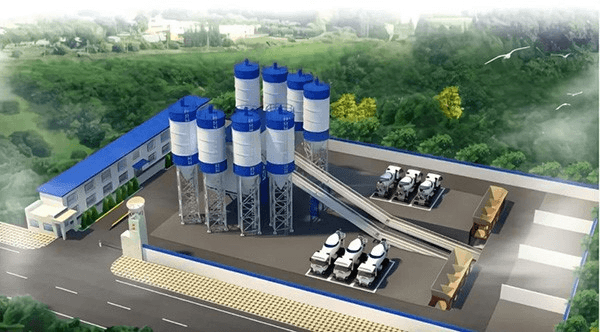
HZS120 Batching Plant Cost: A Comprehensive Investment Guide
Planning a 120m³/h concrete plant? Here is the full CAPEX breakdown for international projects.
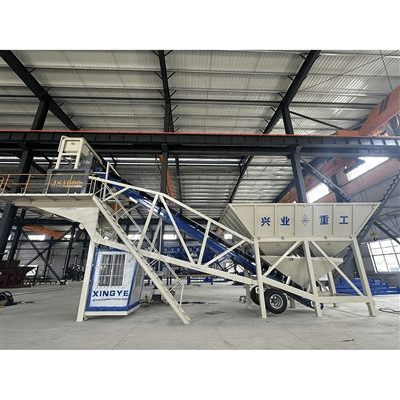
The HZS120 concrete batching plant is the "workhorse" of large-scale infrastructure. With a theoretical productivity of 120m³/h, it is the standard choice for high-rise developments, bridge construction, and major highway projects. However, the initial equipment price is only one piece of the financial puzzle.
At Xingye Machinery, we’ve assisted clients from Saudi Arabia to Romania in commissioning HZS120 stations. Below is a professional breakdown of the investment required to get a 120m³/h plant operational.
1. Equipment CAPEX: The Core Components
An HZS120 is a complex system centered around a JS2000 twin-shaft forced mixer. The cost varies significantly based on automation levels and environmental protection features (such as dust extraction systems required in urban or EU-regulated sites).
| Component | Technical Specification | Estimated Investment (USD) |
|---|---|---|
| Mixing System | JS2000 Twin-Shaft (2.0m³ per batch) | $45,000 - $65,000 |
| Batching System | PLD3200 (4-Bin aggregate storage) | $15,000 - $25,000 |
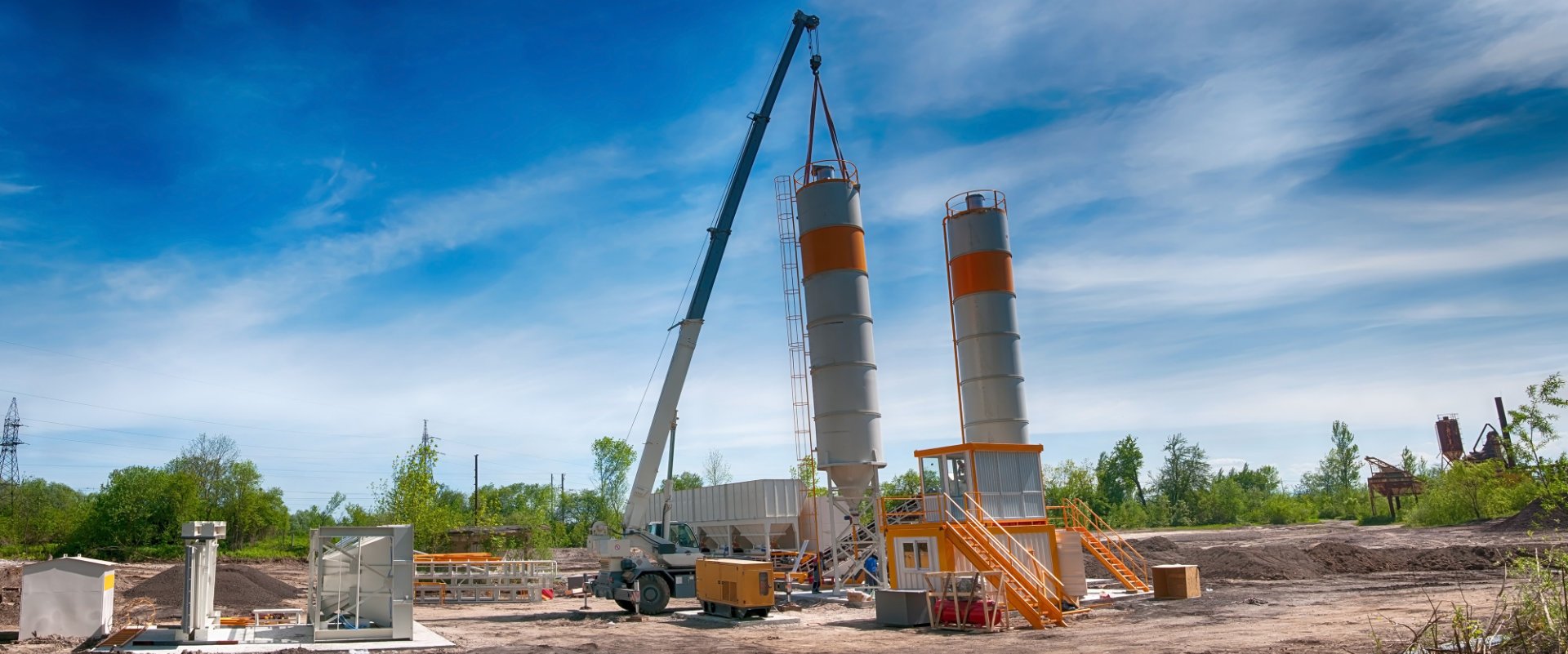
| Cement Silos | 100T - 200T Bolted Silos (x3 or x4) | $20,000 - $40,000 |
| Control System | Full-Auto PLC with dual-computer backup | $10,000 - $18,000 |
| Total Equipment | Standard Export Configuration | $110,000 - $220,000+ |
2. Civil Works and Foundation Engineering
The HZS120 is a heavy-duty stationary plant. Unlike mobile units, it requires a robust concrete foundation to handle the vibration of the JS2000 mixer and the weight of the 200-ton silos. In regions with soft soil or high seismic activity (like parts of Southeast Asia), foundation costs can rise due to necessary piling.
- Foundation Construction: Expect to spend $15,000–$30,000 on steel-reinforced concrete bases.
- Site Layout: You need approximately 1,500–2,500 m² for the plant, aggregate storage, and truck maneuvering space.
3. Hidden Operational Pain Points
When calculating your ROI, don't overlook these three factors that often catch project managers off guard:
Power Stability and Consumption
The HZS120 has a total power requirement of approximately 200kW. In regions with unstable grids (common in remote African or Middle Eastern sites), you must factor in the cost of a high-capacity industrial generator. Pro tip: Ensure your generator is rated for 25% above peak load to handle the motor start-up torque.
Environmental Compliance
Modern tenders increasingly require "Green" stations. Adding a pulse dust collection system and a wastewater recycling unit can add $10,000–$25,000 to the initial cost but saves thousands in local environmental fines and material waste.
Wear Parts and Maintenance
The JS2000 uses high-chromium alloy liners. Depending on the abrasiveness of your local aggregate (e.g., crushed basalt vs. river gravel), your maintenance cycle will vary. Budgeting for a "first-year spares kit" is essential for international sites to avoid downtime waiting for sea freight.
4. Labor and Personnel
A 120m³/h station typically requires a specialized team:
- 1 Control Room Operator: Must be trained in PLC software and recipe management.
- 2-3 Loader Drivers: For aggregate feeding.
- 1 Maintenance Technician: To oversee lubrication and mechanical checks.
Summary: The Bottom Line
For an international-standard HZS120 project, the total "ready-to-pour" investment typically ranges from $350,000 to $650,000 USD, depending on regional logistics, land costs, and specific technical customizations.
Are you comparing quotes for an upcoming project? Our engineers can provide a detailed CAD site layout and a localized cost estimate based on your specific aggregate type and climate conditions. Contact the Xingye technical team for a custom HZS120 proposal.
Related Posts :