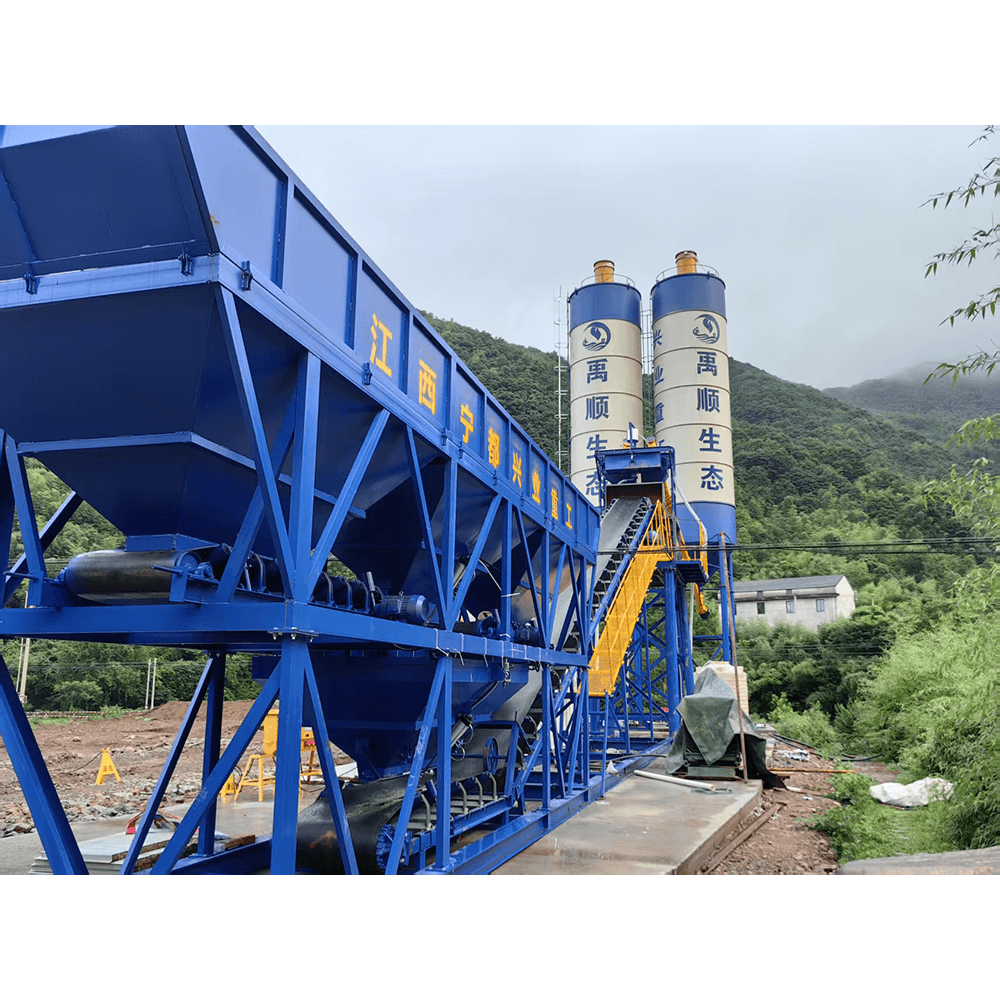
Preventing Downtime: The Ultimate Batching Plant Inspection Guide
A 10-minute daily check can save $10,000 in emergency repairs. Is your team looking at the right components?
In the high-pressure environment of a concrete production site—whether in the humid climates of Southeast Asia or the heat of Saudi Arabia—equipment reliability isn't just a goal; it's a requirement. For project managers, an unscheduled stop during a major pour is a worst-case scenario. Systematic inspection of your HZS-series batching plant is the only way to mitigate this risk.
The Cost of Neglect vs. The Value of Routine
Most mechanical failures in JS-series twin-shaft mixers or WBZ soil plants don't happen overnight. They are the result of "micro-failures"—a dry bearing, a loose bolt, or moisture buildup in pneumatic lines. By implementing a tiered inspection schedule, you move from reactive "firefighting" to proactive asset management.
1. Daily Pre-Shift & Post-Shift Inspections
These checks should be performed by the operator before the first batch and after the final wash-out.
- Lubrication System: Check the grease levels in the automated lubrication pump. For JS1000 or JS2000 mixers, ensure the shaft-end seals are receiving adequate pressure to prevent grout leakage.
- Mixer Internal Status: Inspect the mixing blades and arms. Concrete buildup on the shaft reduces mixing efficiency and increases motor strain. If buildup exceeds 10mm, manual cleaning is required.
- Pneumatic Drainage: Open the drain valves on the air compressor and air storage tanks. In regions with high humidity, such as Vietnam or the Philippines, water accumulation can cause solenoid valve failure within a single shift.
- System Integrity: Verify that the water, admixture, and air supply lines are leak-free. Even a minor air leak can lead to "calibration drift" in the discharge gates.
2. Weekly Structural & Mechanical Audits
Once a week, the maintenance lead should perform a more technical walkthrough.
| Component | Action Item | Engineering Insight |
|---|---|---|
| Fasteners | Check high-vibration zones (motor mounts, screen decks) | Loose bolts lead to structural fatigue and misalignment. |
| Pneumatic FRL Unit | Check oil levels in the mist collector | Ensures cylinder seals remain supple in extreme temperatures. |
| Belt Conveyor | Inspect belt tracking and tension | Prevents edge wear and material spillage at the transition point. |
| Electrical Cabinets | Dust removal and wire terminal check | Prevents short circuits caused by conductive dust or vibration-loosened wires. |
3. Monthly & Seasonal Deep-Maintenance
To ensure 10,000+ hours of Mean Time Between Failures (MTBF), deeper dives are necessary:
- Monthly: Conduct a comprehensive calibration of the load cells. Weighing accuracy for cement and additives is critical for meeting international concrete standards (like ASTM or EN).
- Bi-Annually: Inspect the cement silo dust collector. Clean or replace the filter cartridges to prevent pressure build-up during pneumatic filling, which can lead to silo rupture.
- Annually: Change the gear oil in the main mixer reducers. Use high-viscosity lubricants rated for your specific regional climate (e.g., ISO VG 220 or 320).
Expert Support for Your Fleet
At Xingye Machinery, we design our plants with maintenance accessibility in mind—from centralized lubrication points to spacious mixing platforms. If you are experiencing persistent technical issues or need a customized maintenance manual for your specific HZS model, our engineering team is ready to assist.
Need a technical consultation or a spare parts kit for your next maintenance cycle? Contact our technical department today for expert guidance tailored to your project site.
Related Posts :