
Concrete Plant Motor Failure? a 6-Step Technical Recovery Guide
Downtime costs $500+ per hour. Here is how to diagnose and fix batching plant motor issues fast.
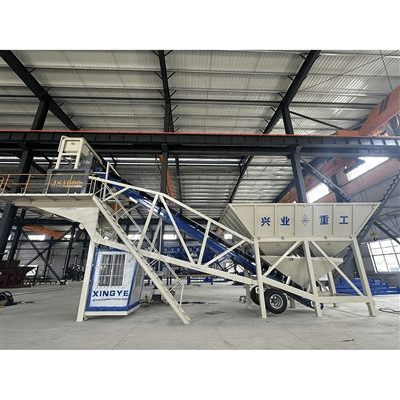
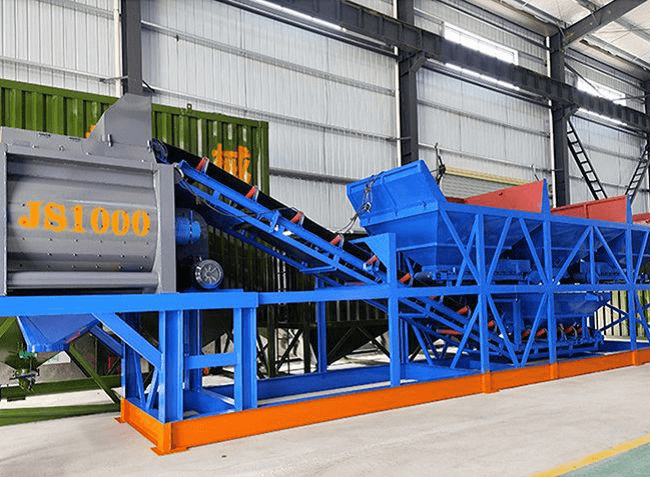
In a high-output HZS-series batching plant, the motor is the heartbeat of the operation. Whether it’s the JS-series twin-shaft mixer motor or the screw conveyor drive, a failure doesn't just stop production—it risks "hot loads" of concrete hardening in the drum. For project managers in high-heat regions like Saudi Arabia or humid climates like Vietnam, motor reliability is the difference between profit and a logistics nightmare.
The Cost of Motor Failure
When a motor fails, the immediate reaction is often to replace it. However, without diagnosing the root cause—such as voltage instability or mechanical overload—your new motor may fail within weeks. Follow this engineering-led recovery protocol to minimize downtime and ensure long-term reliability.
| Symptom | Probable Technical Cause | Immediate Action |
|---|---|---|
| Motor hums but won't start | Phase loss or jammed mixing blades | Check contactors and clear drum obstruction |
| Excessive vibration | Bearing wear or shaft misalignment | Inspect bearings and coupling alignment |
| Rapid overheating | Voltage drop or cooling fin blockage | Measure voltage under load; clean motor housing |
| Tripping circuit breaker | Short circuit or winding insulation failure | Perform insulation resistance (Megger) test |
Step 1: Emergency Shutdown & LOTO Protocols
Safety is paramount. Before any inspection, implement Lockout/Tagout (LOTO) procedures. Disconnect the main power supply at the control cabinet. Perform a visual inspection for "telltale" signs: the smell of burnt insulation, scorched terminal blocks, or excessive heat radiating from the motor casing.
Step 2: Power Supply & Phase Diagnostics
In many emerging markets, power grid instability is a leading cause of motor burnout. Check the control cabinet for:
- Phase Loss: Ensure all three phases are delivering balanced voltage. Running a motor on two phases will destroy the windings in minutes.
- Contactors: Inspect for pitted or welded contacts that prevent the motor from receiving clean power.
- Voltage Drop: Ensure the voltage at the motor terminals is within ±10% of the nameplate rating during the start-up surge.
Step 3: Mechanical Load Verification
Sometimes the "motor failure" is actually a mechanical jam. For JS-series forced mixers, check if the mixing arms are obstructed by oversized aggregate or hardened concrete. If the motor is decoupled from the load and runs smoothly, the issue lies in the gearbox or the mixing drum itself.
Step 4: Internal Component Inspection
If the electrical supply is sound, inspect the motor's internal health:
- Bearings: Listen for grinding noises. In dusty environments (common in Africa and the Middle East), cement dust can penetrate seals, causing premature bearing seizure.
- Windings: Use a megohmmeter to check insulation resistance. A low reading indicates moisture ingress or thermal degradation of the wire coating.
Step 5: Precision Replacement
If the motor must be replaced, ensure the new unit matches the IEC or NEMA standards of the original. At Xingye Machinery, we recommend using motors with an IP55 protection rating or higher for concrete environments to prevent dust and water ingress. Verify that the kilowatt (kW) rating and RPM match the gearbox requirements to avoid torque mismatches.
Step 6: Preventative Maintenance for Harsh Climates
To prevent recurrence, especially in 40°C+ ambient temperatures:
- Cooling: Clean dust from cooling fins weekly to maintain thermal exchange.
- Lubrication: Use high-temperature grease for bearings in tropical or desert climates.
- Soft Starters: Consider installing Soft Starters or VFDs (Variable Frequency Drives) to reduce the mechanical and electrical stress during the "start-up" phase of a loaded mixer.
Need technical support or genuine spare parts for your HZS batching plant? Contact the Xingye Machinery Engineering Team for a consultation or to request a maintenance manual for your specific model.
Related Posts :