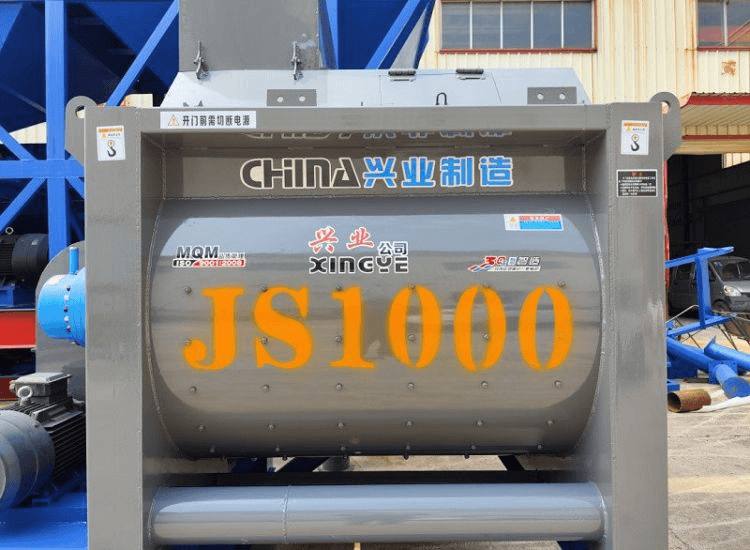
Double-Unit Batching Plants: Eliminating Downtime in High-Stakes Projects
Why top-tier contractors are switching from single-unit to dual-mixer configurations to protect their margins.
In high-pressure construction environments—whether it's a highway expansion in Riyadh or a high-rise development in Manila—the cost of downtime isn't just measured in hours; it's measured in thousands of dollars of wasted labor and spoiled material. For many project managers, the double-unit concrete mixing plant (often designated as the 2HZS series) has become the gold standard for operational security.
What is a Double-Unit Batching Plant?
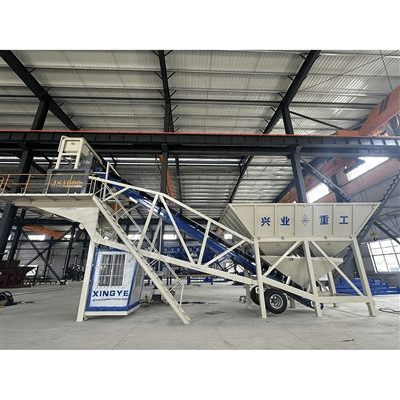
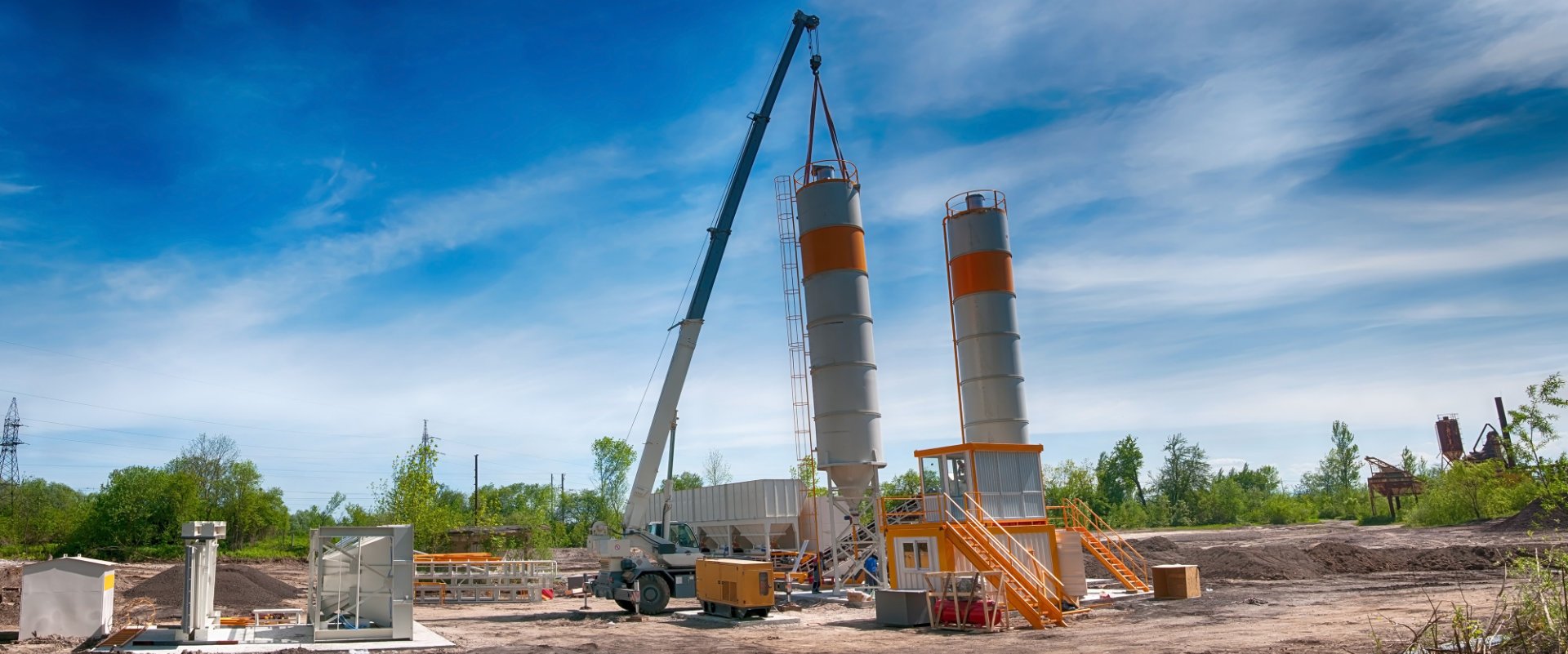
Unlike a standard plant that relies on a single mixer, a double-unit configuration integrates two independent mixing systems (typically JS-series twin-shaft mixers) into a synchronized facility. This setup allows for either simultaneous high-volume output or independent operation of each line.
| Feature | Single-Unit Plant | Double-Unit (2HZS) Plant |
|---|---|---|
| Redundancy | Zero (Total stop if mixer fails) | 100% (One unit runs during maintenance) |
| Production Flexibility | Fixed output | Scalable (Run 1 or 2 units as needed) |
| Mix Consistency | Standard | Higher (Dual-point verification) |
| Energy Efficiency | Low during small pours | High (Optimized for varying demand) |
Key Engineering Advantages
1. Fail-Safe Redundancy (Zero-Downtime Operation)
The primary engineering "pain point" solved by a dual-unit system is the risk of mechanical failure. In a single-unit setup, a motor burn-out or a discharge gate jam brings the entire site to a standstill. With a 2HZS90 or 2HZS120 plant, if one unit requires emergency maintenance, the second unit continues to operate at 50% capacity, ensuring that critical pours—like bridge decks or foundation mats—are not compromised.
2. Dynamic Production Scaling
Not every phase of a project requires maximum output. Running a massive single mixer for a small finishing pour is a waste of electricity and wear-parts. A double-unit plant allows operators to shut down one line during low-demand periods, significantly reducing the kW/m³ energy cost and extending the service life of the equipment.
3. Simultaneous Production of Different Grades
Modern infrastructure projects often require different concrete specifications simultaneously (e.g., high-strength C50 for columns and C30 for slabs). A double-unit plant can be configured to produce two different recipes at the same time through independent control systems, eliminating the need for time-consuming "wash-outs" between batches.
4. Enhanced Quality Control and Calibration
By operating two identical units, engineers can perform real-time cross-validation. If Unit A shows a slight drift in moisture compensation or weighing accuracy compared to Unit B, the discrepancy is identified immediately. This dual-stream data provides an extra layer of ISO 9001 compliance and ensures the structural integrity of the concrete.
Is a Double-Unit Plant Right for Your Site?
While the initial capital expenditure is higher, the ROI is realized through the elimination of project delay penalties and lower long-term maintenance costs. For projects exceeding 100,000m³ or those located in remote regions where spare parts logistics are challenging, the 2HZS series is the most risk-averse choice.
Looking for a technical layout for your next site? Xingye Machinery provides custom CAD designs for 2HZS-series plants tailored to compact urban footprints or expansive remote sites. Contact our engineering team for a consultation.
Related Posts :