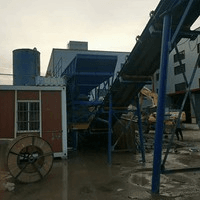
Stabilized Soil Plant Setup: 5 Critical Site Planning Factors
Efficiency starts before the first batch. Optimize your WBZ plant layout for maximum throughput and zero waste.
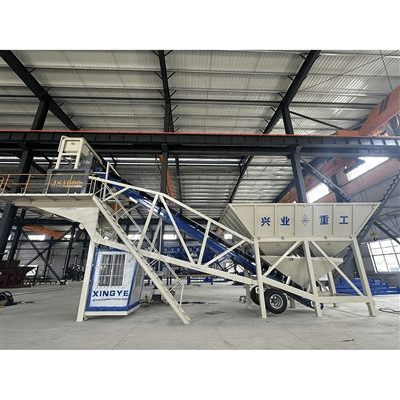
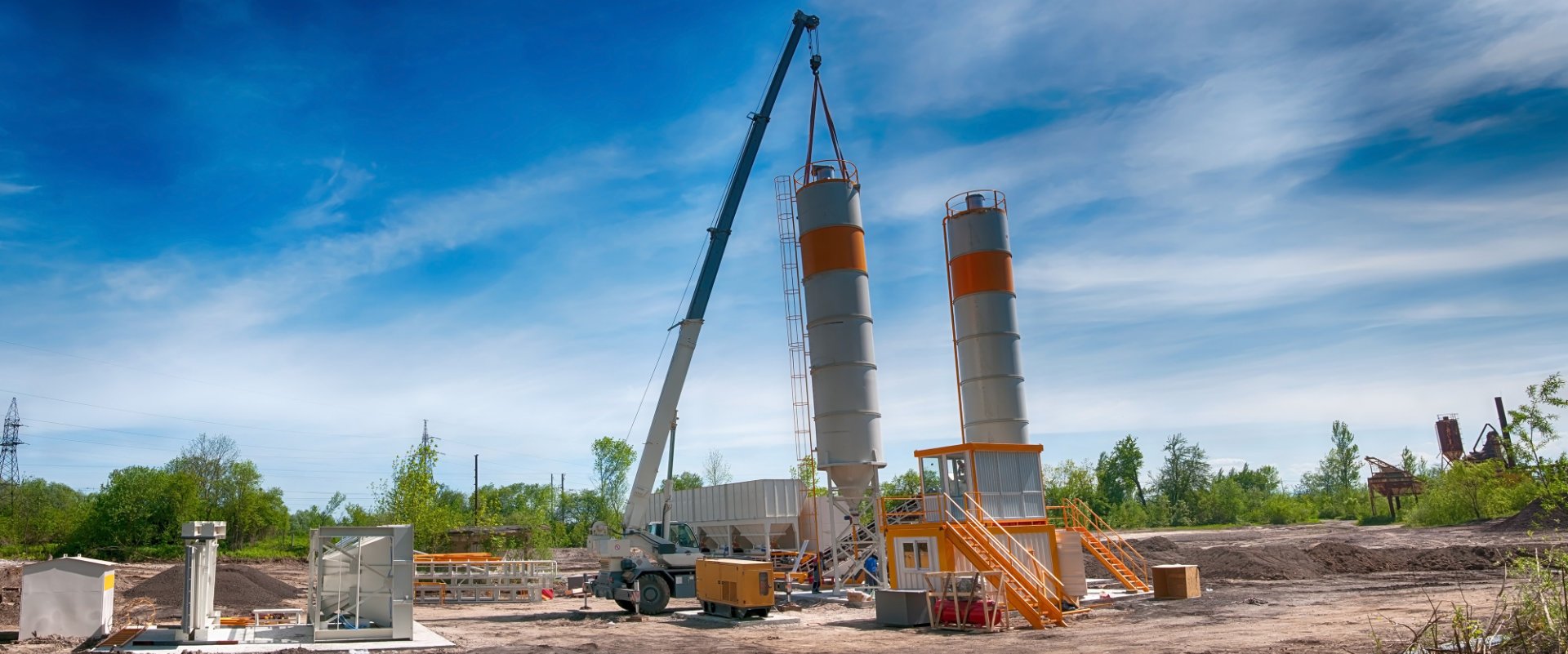
For large-scale road, airport, and municipal projects, a stabilized soil mixing station (WBZ series) is the heart of operations. However, many contractors treat site selection as an afterthought, leading to "logistical bottlenecks" and material degradation. At Xingye Machinery, we’ve seen how a well-planned 3,000m² site can outproduce a poorly planned 5,000m² site.
1. Strategic Zoning and Functional Flow
A professional site must adopt closed management. This isn't just for security; it's for workflow efficiency. Your layout should clearly separate high-traffic zones from precision areas:
- Production Area: The central hub for the mixer and batching machine.
- Material Storage: Positioned for easy access by heavy loaders and delivery trucks.
- Field Laboratory: Essential for real-time testing of soil-cement ratios and moisture content.
- Office & Living Quarters: Located upwind to minimize dust and noise exposure for staff.
2. Foundation Engineering and Hardening
The common mistake is assuming a leveled dirt field is sufficient. The dynamic loads of a WBZ plant—especially when silos are full—require a reinforced concrete foundation. All production roads must be hardened to withstand 30-50 ton truck loads without cracking. Poor hardening leads to "settlement drift," which can misalign conveyor belts and cause premature bearing failure.
3. Aggregate Bin Optimization
Aggregate management is where most profit is lost due to moisture fluctuations and contamination. Your storage plan should follow these engineering standards:
| Feature | Requirement | Engineering Reason |
|---|---|---|
| Storage Capacity | 3–5 days of peak production | Buffers against supply chain delays in remote sites. |
| Drainage Slope | 1–3% grade toward drains | Prevents water pooling at the base of aggregate piles. |
| Partition Walls | Reinforced concrete with plaster | Prevents cross-contamination of different soil/sand grades. |
| Shelter | Steel structure canopy | Vital for SE Asia (monsoons) and Middle East (sun exposure). |
4. Moisture Control and Drainage Systems
Inconsistent moisture in the raw soil is the #1 cause of rejected batches. Beyond the canopy, your site needs an integrated drainage network. External gutters should be at least 15cm wide and 20cm deep, covered with heavy-duty steel grids to allow loader traffic. This ensures that even during heavy tropical rains, your material remains within the specified saturation limits.
5. Equipment Protection and Operational Clearance
The mixer and weighing systems are sensitive instruments. A dedicated canopy is mandatory, but it must be engineered for loader clearance. We recommend a minimum height that allows your largest wheel loader (e.g., 5-ton class) to maneuver without the risk of striking the structure. This reduces operator stress and prevents costly structural damage.
Technical Support for Your Next Project
Are you planning a new road project in Southeast Asia, Africa, or the Middle East? Xingye Machinery provides more than just equipment. We offer full CAD site layout consultations to ensure your WBZ stabilized soil plant or HZS concrete plant operates at peak efficiency from day one.
Explore our WBZ Series: High-capacity stabilized soil solutions or request a custom site layout plan today.
Related Posts :