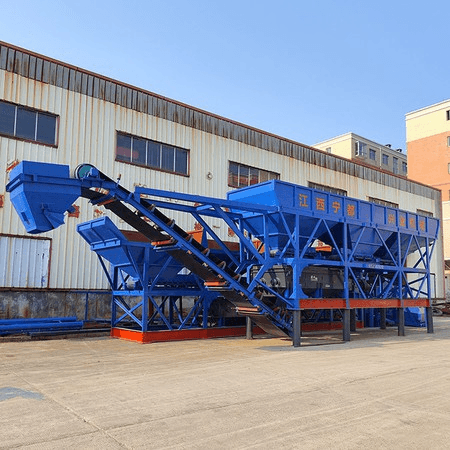
Stationary vs. Mobile Batching Plants: Which Suits Your Large Project?
High-volume output or rapid site mobility? Choosing the wrong plant configuration can cost your project months in delays.
For project managers overseeing large-scale infrastructure, the choice between a stationary and a mobile concrete batching plant isn't just about price—it’s about matching equipment to the project's pulse. While stationary plants like the HZS180 offer unmatched stability, mobile units provide the agility needed for linear projects like highways and railways.
The Stationary Powerhouse: High Volume, High Stability
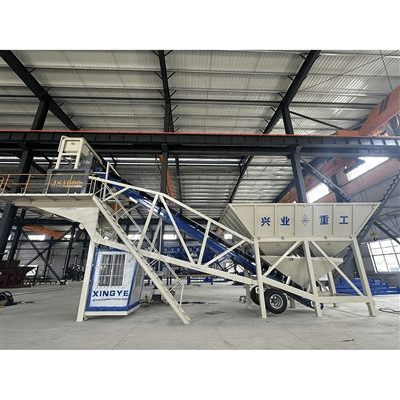
Stationary concrete mixing plants are the backbone of massive, centralized construction sites. If your project requires a concentrated volume of concrete over a period exceeding 12 months, a stationary setup is almost always the superior choice.
Key Advantages
- High Productivity: Systems like the HZS180 are designed for continuous, high-output cycles that mobile units simply cannot match.
- Advanced Automation: Centralized control systems ensure higher precision in weighing and mixing, critical for meeting international standards like ISO or CE.
- Efficiency: Optimized layouts lead to lower power consumption per cubic meter of concrete produced.
The Trade-offs
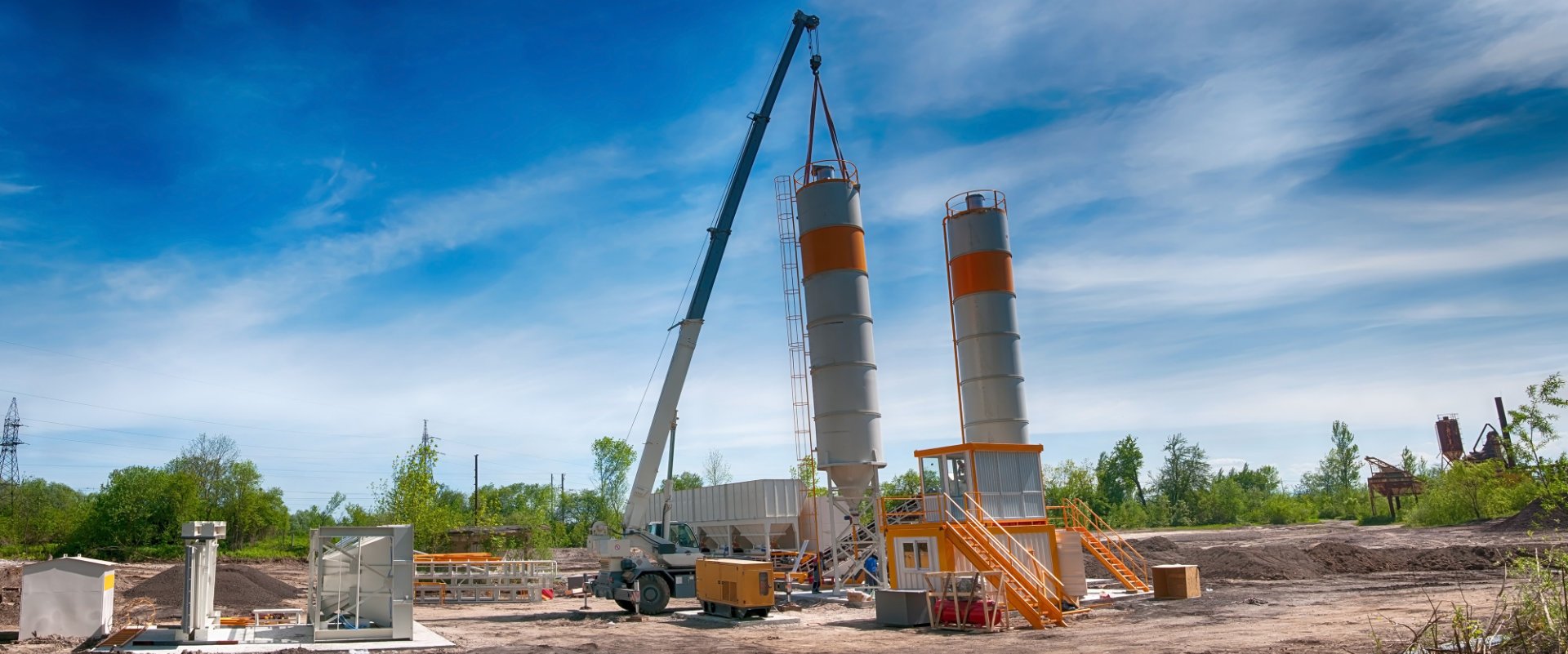
The primary "pain point" for stationary plants is the infrastructure investment. These units require a strict, reinforced foundation and a longer installation window—often requiring heavy-duty cranes and a specialized engineering team for 2-4 weeks of setup.
The Mobile Alternative: Agility for Dynamic Sites
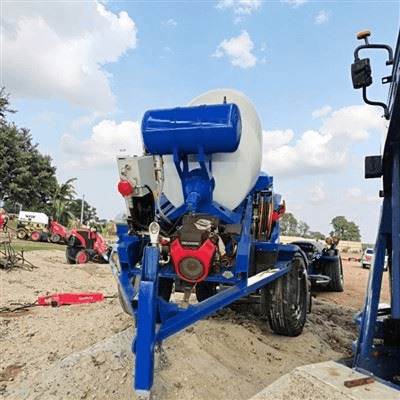
Mobile concrete batching plants are designed for projects that move. However, they come with technical constraints that must be managed to avoid production bottlenecks.
| Feature | Stationary (e.g., HZS180) | Mobile (e.g., HZS90) |
|---|---|---|
| Max Capacity | Up to 180m³/h+ | Typically capped at 100m³/h |
| Installation Time | 20–30 Days | 3–5 Days |
| Foundation Needs | Deep concrete footings | Minimal (often just flat, firm ground) |
| Aggregate Storage | Large, high-capacity bins | Compact bins (requires frequent loading) |
2 Critical Factors for Your Decision
1. The "100m³/h Ceiling"
Engineers must realize that most mobile plants are limited by their frame. To maintain mobility, the aggregate silos are smaller. If your project demands a continuous flow of concrete for massive foundation pours, the frequent loading cycles of a mobile plant can create a logistical bottleneck, lowering your effective output by 15-20% compared to a stationary unit.
2. Foundation and Environmental Constraints
In regions like the Middle East or Southeast Asia, soil conditions play a huge role. A stationary plant requires significant civil engineering work before the first batch is mixed. If you are operating in a remote area with poor soil stability or short-term land use permits, the "foundation-free" or "minimal-foundation" nature of a mobile plant provides a massive cost advantage.
Summary: Which Should You Choose?
Choose a Stationary Plant if: Your project site is fixed for 1+ years, you require output exceeding 120m³/h, and you have the budget for initial civil works.
Choose a Mobile Plant if: You are working on highway or bridge projects where the "center of gravity" moves every few months, or if you need to be operational within days of equipment arrival.
Still undecided? Xingye Machinery’s engineering team can provide a custom Site Layout & ROI Analysis to help you determine the most cost-effective configuration for your specific terrain and volume requirements.
Contact our technical department today for a detailed HZS-series specification sheet or a CAD site layout consultation.
Related Posts :