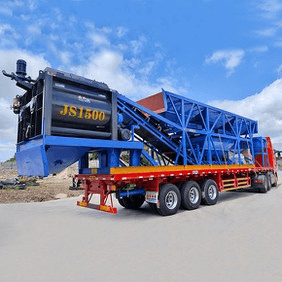
Batching Plant Layout: Loader vs. Ground Bin Efficiency
Choosing the wrong material storage system can drain your profits in fuel and labor. Is a ground bin worth the investment?
In the second part of our series on concrete batching plant optimization, we shift focus from site selection to the technical layout of production lines—specifically, the critical choice between loader-fed storage and ground bin systems.
For a high-capacity 120m³/h stationary plant, your layout choice directly impacts long-term operational expenditure (OPEX). While initial setup costs are important, the "hidden" costs of fuel, labor, and maintenance often dictate the project's true ROI.
1. Raw Material Storage: Loader vs. Ground Bin
The method you choose to feed raw materials into your batching machine (like our PLD series) defines your site's efficiency and environmental footprint.
Loader-Fed Systems
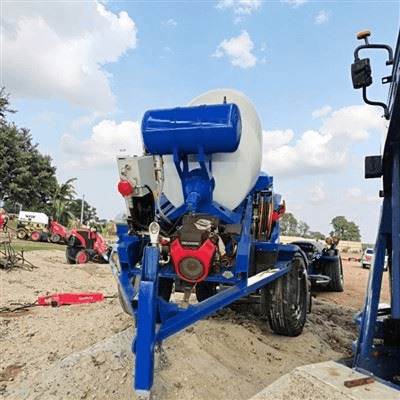
Standard for many mobile and small-scale operations, loader feeding offers flexibility but comes with significant trade-offs:
- High Variable Costs: Rising diesel prices and the need for skilled operators significantly increase the cost per cubic meter of concrete.
- Noise and Emissions: In urban markets like Romania or the UAE, high-decibel loader operations near residential areas can lead to regulatory fines.
- Maintenance: Loaders require frequent servicing, adding another layer of mechanical risk to your site.
Ground Bin Systems
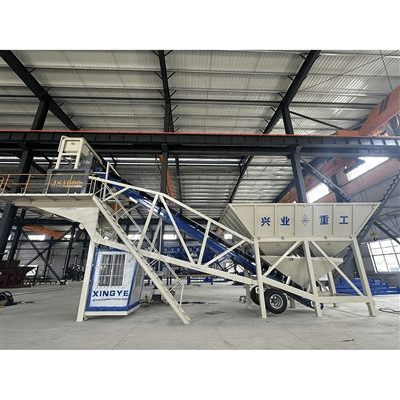
For permanent HZS120 installations, ground bins (available in concrete or steel frame structures) are becoming the industry standard for sustainable operation.
| Feature | Loader Loading | Ground Bin Loading |
|---|---|---|
| Initial Investment | Lower (Equipment cost) | Higher (Infrastructure cost) |
| Operating Cost | High (Diesel + Labor) | Low (Automated Conveyance) |
| Noise Level | High (85dB+) | Low (Enclosed systems) |
| Site Footprint | Requires maneuvering space | Fixed, compact design |
Engineering Insight: When designing ground bins for mobile concrete batching plants, surface smoothness is critical. We recommend specific coatings or vibrators to prevent material accumulation (bridging) in the silo buckets, especially in high-humidity regions like Southeast Asia.
2. Floor Scale Layout: Protecting Your Sensors
The floor scale is the "cash register" of your concrete plant. Every gram of material in and out is recorded here. We see two primary layout designs:
Above-Ground (Ramp) Layout
We strongly recommend the above-ground layout for international projects. By elevating the scale, you gain several technical advantages:
- Sensor Protection: Weighing sensors are kept away from ground-level moisture and dust, which are the primary causes of calibration drift.
- Easy Maintenance: Debris and buildup can be cleared instantly, ensuring accuracy without dismantling the pit.
- Safety: While there is a risk of vehicle derailment, this is easily mitigated with robust safety curbing and guide rails.
Underground (Pit) Layout
While pit-mounted scales save space, they often become "sumps" for rainwater and slurry. In monsoon-prone regions or sites with poor drainage, this leads to frequent sensor failure and weighing inaccuracies that can compromise your concrete mix design.
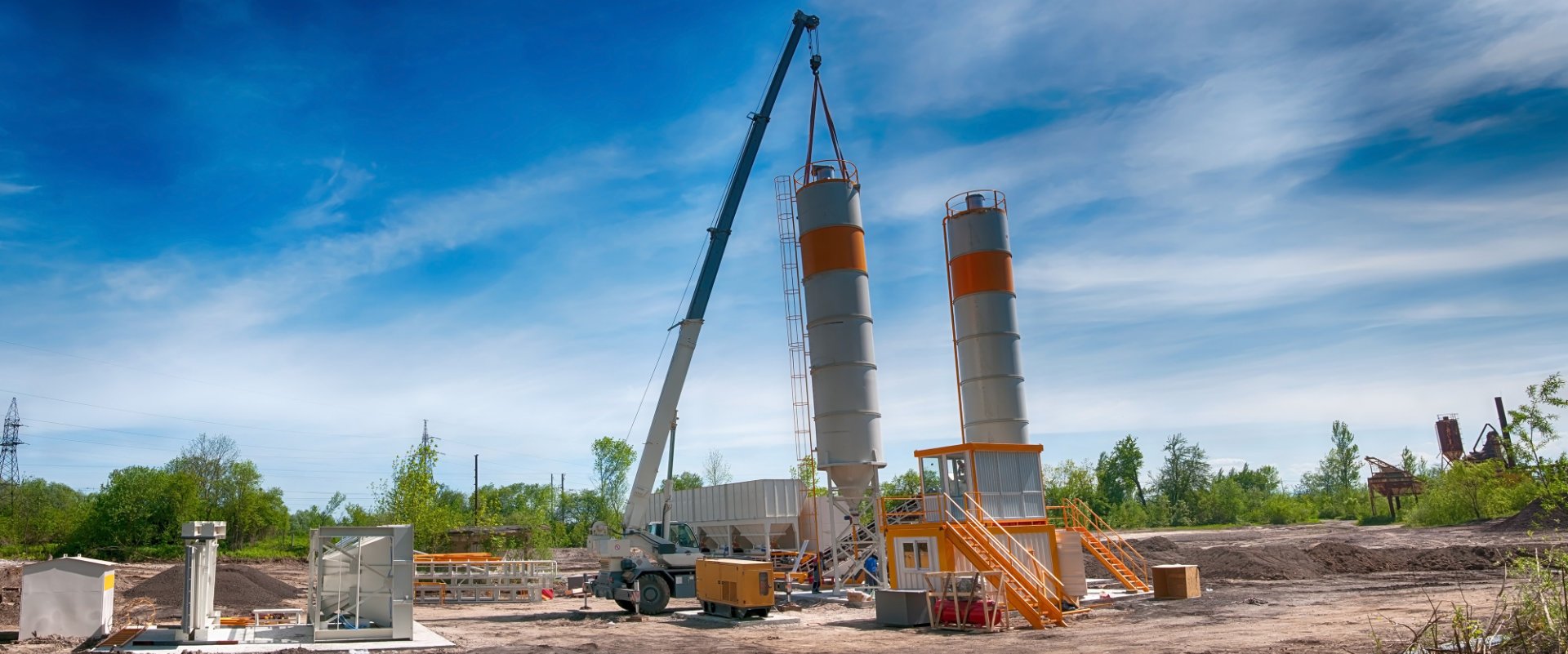
3. Integrating Ancillary Facilities
A high-efficiency layout must also account for the flow of support vehicles. When planning your site, ensure the following are positioned to avoid "bottlenecking" the main mixing tower:
- Car Wash Stations: Positioned near the exit to ensure transit mixers leave the site clean.
- Fueling Stations: Located away from the aggregate dust zones to prevent fuel contamination.
- Laboratory: Ideally placed near the discharge point for rapid slump testing and quality control.
At Xingye Machinery, we don't just sell equipment; we provide full site-layout engineering. Whether you are dealing with the extreme heat of Saudi Arabia or the compact urban sites of Vietnam, our team can customize your HZS plant layout for maximum efficiency.
Ready to optimize your site? Contact our engineering team for a customized CAD layout proposal for your next project.
Related Posts :