Concrete Plant Layout: Optimizing Ancillary Facilities for ROI
Beyond the mixer: How strategic placement of support systems can slash your operational overhead by 15%.
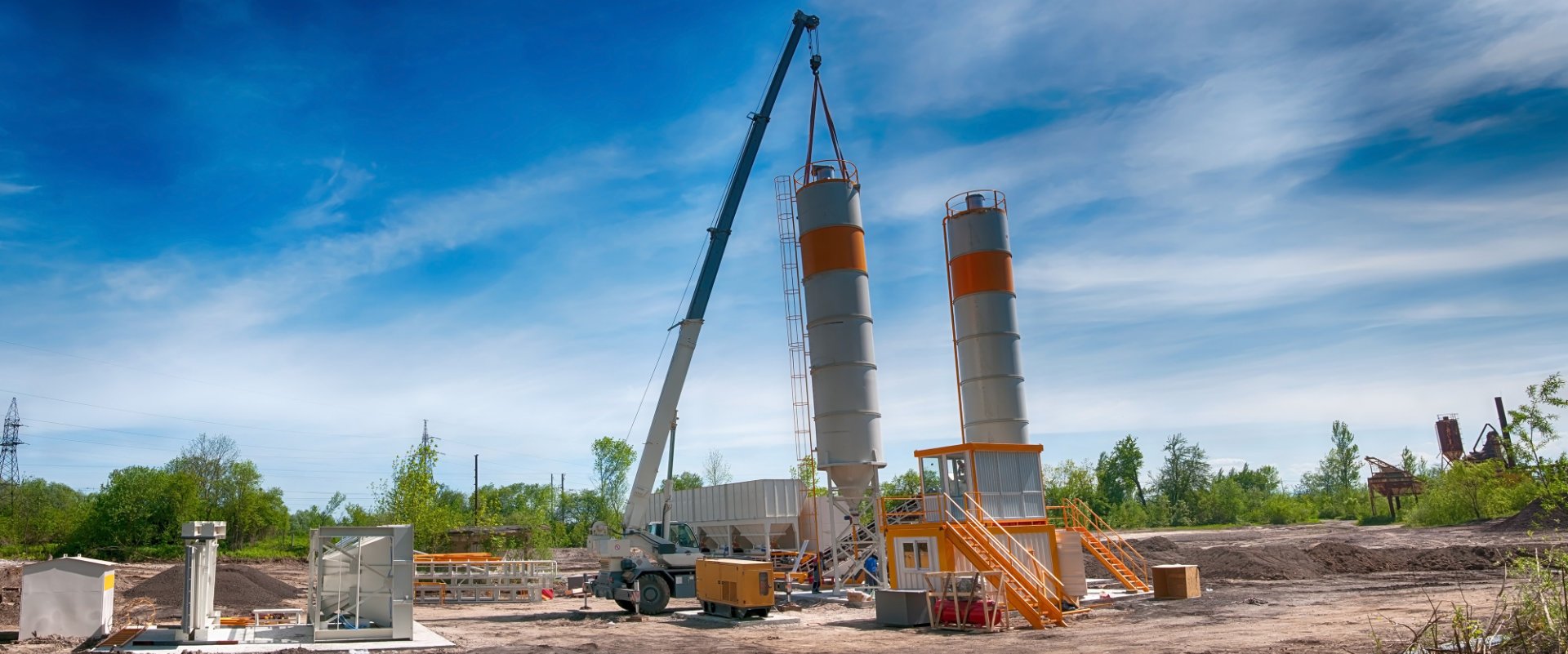
While the mixing tower is the centerpiece of any concrete production site, the efficiency of a plant is often won or lost in the "connective tissue"—the ancillary facilities. Poorly placed support systems lead to logistical bottlenecks, increased fuel consumption, and accelerated equipment wear.
1. Logistical Ancillaries: Fuel, Weight, and Waste
In high-volume markets like Saudi Arabia or the Philippines, site logistics must be frictionless to maintain a steady flow of transit mixers.
Fuel Management and IC Control
Fuel theft and recording errors are significant "silent costs" in large-scale operations. We recommend placing the gas station near the gate exit. This allows drivers to refuel after loading but before departure, ensuring no production time is lost. Implementing IC card control systems linked to specific vehicle IDs eliminates manual entry errors and provides real-time consumption data.
Zero-Emission Car Wash & Recycling
Environmental regulations in Eastern Europe and urban Southeast Asia now demand "zero emission" sites. Your car wash station should be integrated with a wastewater and concrete recycling system. Pro Tip: Position the recycling system close to the main mixing tower to minimize the complexity of transfer pools and slurry pumping.
2. Infrastructure: Power and Pneumatics
Heat is the enemy of electrical and pneumatic components, especially in Middle Eastern climates where ambient temperatures exceed 40°C.
| Facility | Critical Requirement | Placement Strategy |
|---|---|---|
| Transformer Room | Heat dissipation & clean air | Upwind of the aggregate bins to avoid dust; install AC if ventilation is restricted. |
| Air Compressor Room | Filtered intake & cooling | Behind the main tower; use exhaust ducts to prevent heat buildup around the pneumatic valves. |
| Repair Workshop | Dust protection | Far from the raw material yard; southeast orientation is preferred to balance natural light and wind protection. |
3. Selecting the Heart of the Plant: The Mixing Host
The choice of a mixing host dictates your entire plant's cycle time. While imported brands like BHS or KYC are reputable, the total cost of ownership (TCO) often hinges on parts availability and local adaptability.
The Xingye Advantage: JS-Series Efficiency
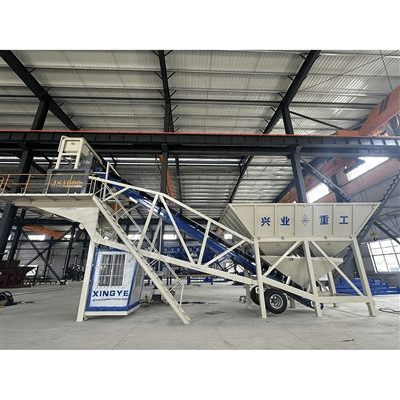
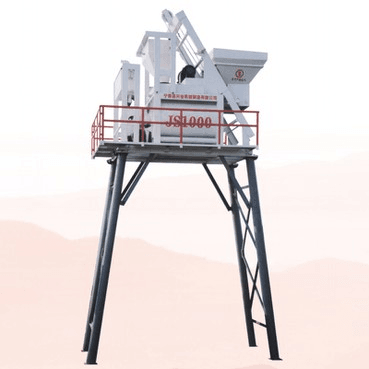
Xingye Machinery’s JS-series twin-shaft forced mixers are engineered for high-performance concrete (HPC). Where standard mixers require a 40-second cycle for a uniform mix, our JS-series achieves C30-grade homogeneity in just 25 seconds. This 37.5% reduction in mixing time directly translates to higher hourly throughput for your HZS plant.
Automated Maintenance
Manual mixer cleaning is not only labor-intensive but a significant safety risk. Our latest hosts feature integrated high-pressure cleaning systems that reduce manual intervention frequency by 70%, extending the service life of the mixing blades and liners.
Next Steps for Your Site Layout
A well-planned layout reduces the Mean Time To Repair (MTTR) and ensures your fleet stays moving. If you are designing a new site or upgrading an existing HZS plant, our engineering team can provide a customized CAD layout optimized for your specific terrain.
Are you hitting your rated capacity? Contact Xingye Machinery engineers for a technical consultation on optimizing your plant layout or to request specifications for our JS-series high-efficiency mixers.
Related Posts :