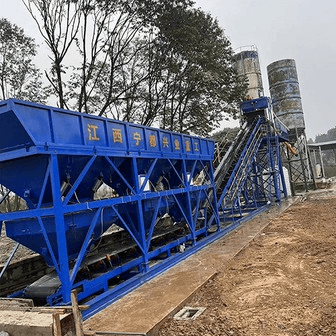
Concrete Batching Plant Layout: Optimizing Component Selection
Beyond the footprint: How technical component choices determine your plant's long-term ROI and operational stability.
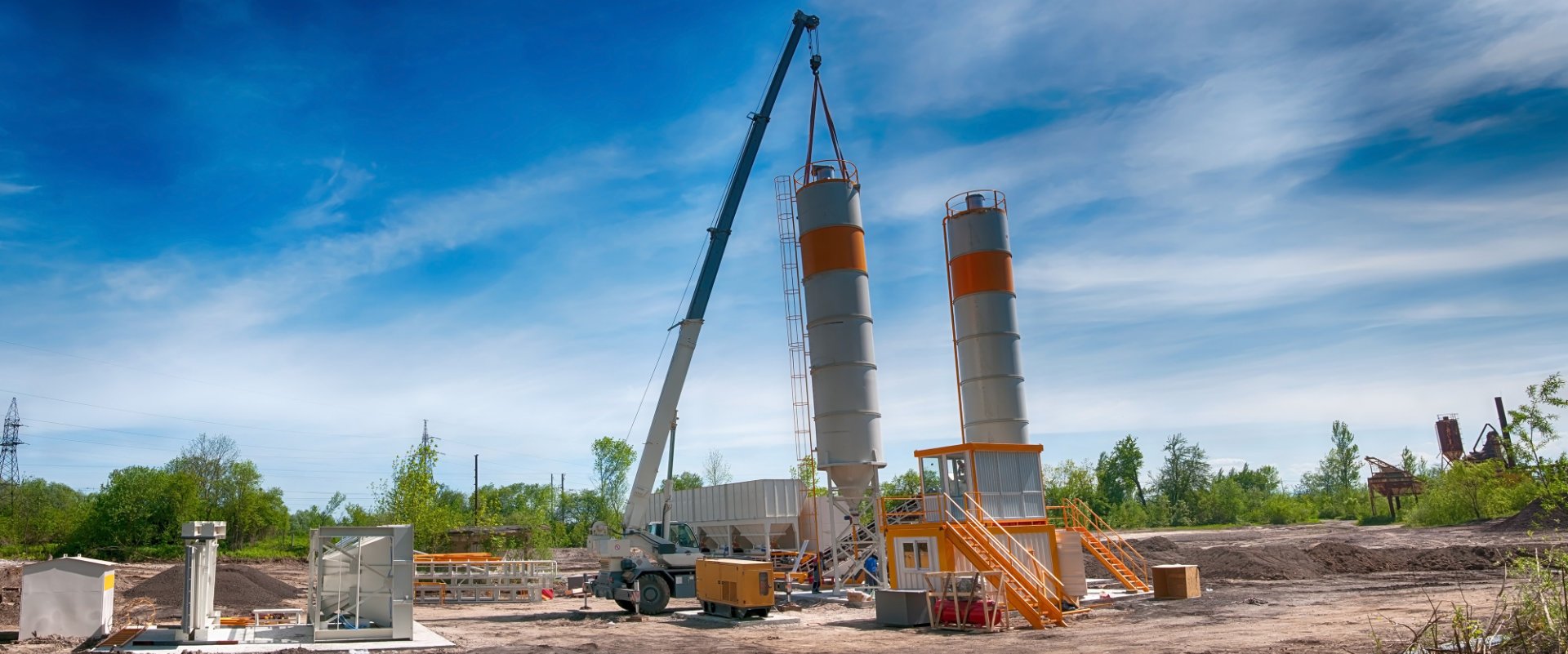
Successful concrete batching plant layout extends beyond simple spatial positioning. It requires a deep dive into the technical specifications of auxiliary equipment that dictates the plant's actual output versus its theoretical capacity. In this final part of our layout series, we analyze the critical engineering choices for conveyors, metering, and automation.
1. Belt Conveyor Engineering: Angle and Stability
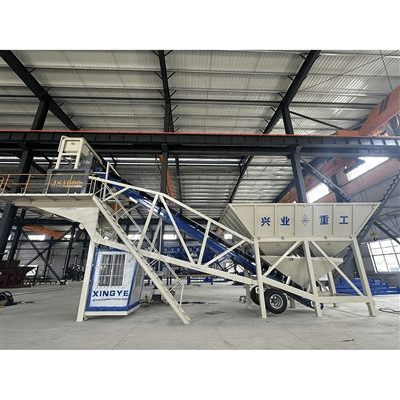
The belt conveyor is the lifeline of aggregate transport. Improper design leads to material rollback, increased wear, and safety hazards.
- The 18° Rule: While steeper angles save space, they increase the risk of material slip and make maintenance difficult during humid or rainy conditions. An angle of 18° is the industry "sweet spot" for balancing footprint with operational safety.
- Groove Roller Optimization: We recommend increasing the trough angle from the standard 25° to 35°. This deeper "V" shape significantly reduces material scattering and prevents belt deviation under heavy loads.
- Drive Selection: While electric rollers save space, JZQ reducers remain the preferred choice for remote sites in regions like Africa or Southeast Asia due to their ease of repair and part availability.
2. Precision Metering and Material Control
Inaccurate metering is the primary cause of concrete strength failure. To eliminate cumulative errors, the layout must avoid "superimposed scales" where one material is weighed on top of another.
| Component | Engineering Best Practice | Benefit |
|---|---|---|
| Screw Conveyor Outlet | Install pneumatic butterfly valves | Stops "after-flow" and isolates pressure for ±1% accuracy. |
| Admixture System | Leak-proof matching devices | Prevents chemical contamination and batch wastage. |
| Powder Metering | Negative pressure isolation | Ensures weighing is not affected by silo aeration. |
3. Air Supply and Dust Management
Environmental compliance and operational uptime depend on the "lungs" of the plant: the compressor and the filtration system.
Screw vs. Piston Compressors
For modern HZS-series plants, screw air compressors are superior to legacy piston models. They offer stable pressure, significantly lower vibration, and reduced noise levels, which is critical for plants located near urban areas in Eastern Europe or the Middle East.
Pulse Bag Dust Collectors
Moving away from the older V2 silo top collectors to pulse bag dust collectors offers two major advantages:
- Durability: Filter elements last up to two years—double the lifespan of standard filters.
- Structural Integrity: Pulse cleaning eliminates the need for mechanical vibrators, which frequently damage the support frames on cement silos.
4. The Brain: Advanced Control Systems & ERP
A high-performance plant requires more than just a PLC; it requires a data-driven management system. Xingye Machinery utilizes industrial-grade hardware (Advantech/HP) to ensure 24/7 stability.
Critical Software Safeguards:
- Interlocking Logic: The mixer cannot discharge unless a truck ID is entered and the vehicle is detected. This prevents "ground dumping" errors.
- Manual Override Tracking: Every manual intervention in the weighing process is logged. This is a critical anti-theft feature that prevents unauthorized material usage.
- ERP Integration: Real-time data exchange between the weigh-bridge, the laboratory, and the production desk ensures that the "Actual vs. Target" recipe deviation is kept within 0.5%.
Selecting the right components during the layout phase prevents costly retrofits later. Whether you are operating in the high heat of Saudi Arabia or the monsoon climates of the Philippines, these technical choices ensure your plant delivers its rated capacity consistently.
Need a custom layout for your next project? Contact Xingye Machinery's engineering team for a detailed CAD proposal tailored to your site specifications.
Related Posts :