Concrete Strength Failure: Why Your Batching Plant Isn't Always to Blame
A failed 28-day cylinder test can halt a project. Before blaming the equipment, evaluate these 5 critical variables.
In the construction industry, concrete strength is the ultimate benchmark of structural integrity. When a 28-day compressive strength test comes back below specifications, the immediate reaction is often to blame the concrete batching plant. However, as experienced engineers know, the path from the mixer to the final set is fraught with variables.
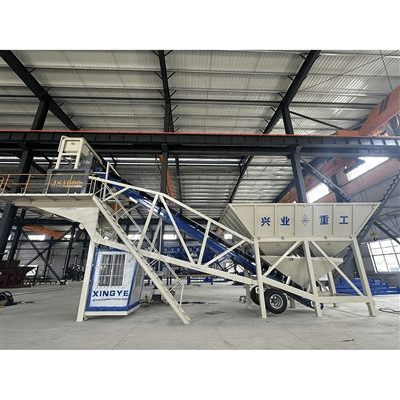
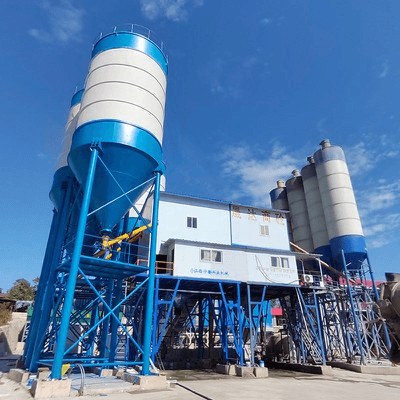
At Xingye Machinery, we’ve supplied HZS-series plants to major projects across Saudi Arabia, Vietnam, and Romania. We’ve seen that while equipment precision is vital, the "backbone of the building" depends on an integrated chain of quality control.
The Quality Chain: Where Strength is Won or Lost
The following table illustrates how different stages of the production and pouring process impact the final MPa (Megapascal) rating of your concrete:
| Variable | Impact on Strength | Primary Responsibility |
|---|---|---|
| Raw Material Consistency | High (up to 40%) | Supplier/Procurement |
| Batching Precision | Medium (15-20%) | Plant Automation (e.g., Xingye PLC) |
| On-Site Water Addition | Extreme (Can reduce strength by 50%) | Site Supervision |
| Curing Conditions | High (25-30%) | Contractor/Environmental |
1. Raw Material Volatility
Even the most advanced JS-series twin-shaft mixer cannot compensate for sub-par cement. Variations in clinker mineral composition, excessive alkali content, or aged cement that has begun to hydrate in the silo will inevitably lead to strength deficits. Furthermore, aggregate grading and moisture content must be monitored; unwashed sand with high silt content can prevent the cement paste from bonding correctly.
2. The "Water-Cement Ratio" Trap
This is the most common cause of strength failure. To improve workability (slump) for easier pumping, site workers often add water to the transit mixer after it leaves the batching plant. Every liter of "unauthorized" water added to a cubic meter of concrete can significantly decrease its ultimate compressive strength.
3. Logistics and The 45-Minute Window
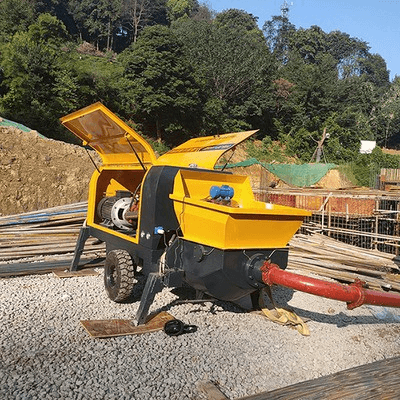
Concrete is a living material. The chemical reaction (hydration) begins the moment water touches cement. In hot climates like the Middle East, the "initial set" can occur rapidly. If transportation exceeds 90 minutes without specialized retarders, or if the transit mixer is not rotating at the correct speed, the concrete may begin to segregate or lose its structural potential before it even reaches the pump.
4. Compaction and Curing: The Final 30%
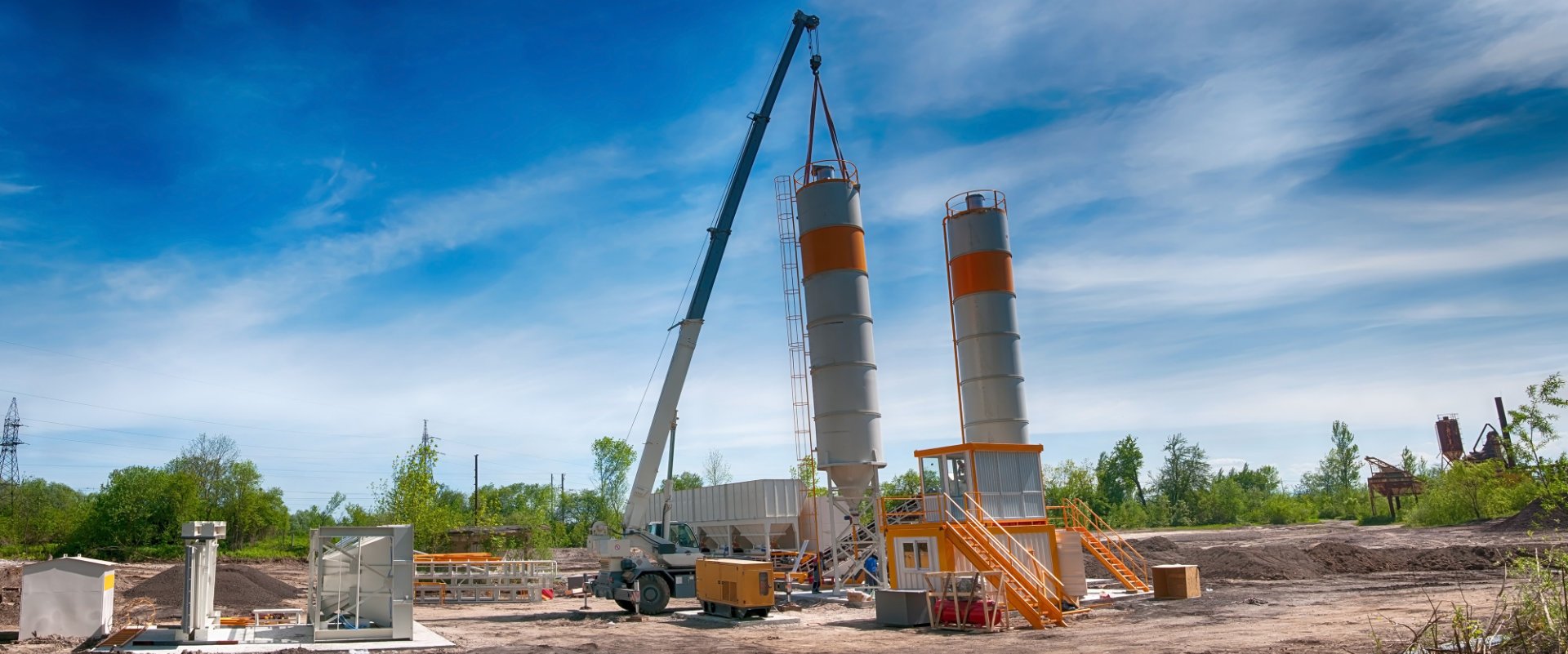
A high-performance stationary concrete batching plant ensures a perfect mix, but the contractor must ensure that mix is "placed" correctly.
- Vibration: Under-vibration leaves air voids (honeycombing), while over-vibration causes heavy aggregates to sink, weakening the top layer.
- Curing: In regions with high evaporation rates, failing to keep concrete moist during the first 7 days prevents the hydration reaction from completing, leading to surface cracks and low core strength.
5. Environmental Extremes
Temperature plays a massive role in the hydration rate.
- Hot Weather (>35°C): Rapid water loss leads to plastic shrinkage cracks.
- Cold Weather (<5°C): Hydration slows significantly; without heated mixing water or insulation, the concrete may never reach its design strength.
Technical Conclusion
While Xingye Machinery’s HZS-series plants utilize high-precision load cells and automated control systems to ensure batching accuracy within ±1%, the plant is only one part of the ecosystem. To guarantee results, project managers must implement rigorous testing at the point of discharge and enforce strict "no-water" policies on-site.
Looking to optimize your mix quality? Contact our engineering team for a consultation on plant calibration and moisture sensor integration.
Related Posts :