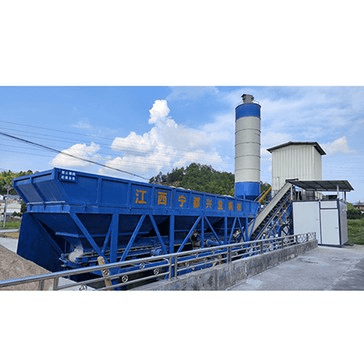
Concrete Batching Plant Layout: Optimizing Workflow & ROI
Is a poor site layout throttling your production? Learn how to design for 24/7 efficiency and future scalability.
In the modern construction era, a concrete batching plant is no longer just a collection of machinery—it is a high-precision production ecosystem. Moving away from the inefficient, high-pollution setups of the past, today’s project managers must prioritize "Green Production" and "Lean Logistics." A poorly planned site layout doesn't just look messy; it creates bottlenecks that can reduce your actual output by up to 25% due to traffic congestion and maintenance delays.
1. Strategic Site Zoning: The 'Clean vs. Dirty' Divide
One of the most common mistakes in plant design is failing to separate administrative areas from production zones. For a standard stationary concrete batching plant, we recommend a clear physical separation:
- The Administrative Zone: Position the office building and laboratory at the entrance. This acts as a natural acoustic barrier, shielding staff and visiting clients from the JS-series mixer noise and dust.
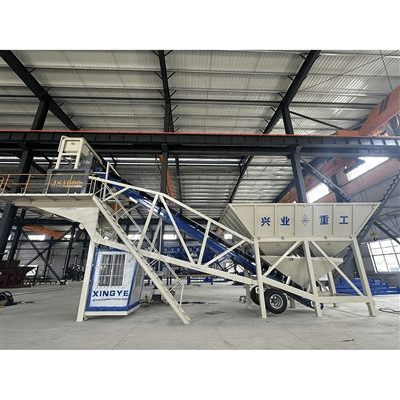
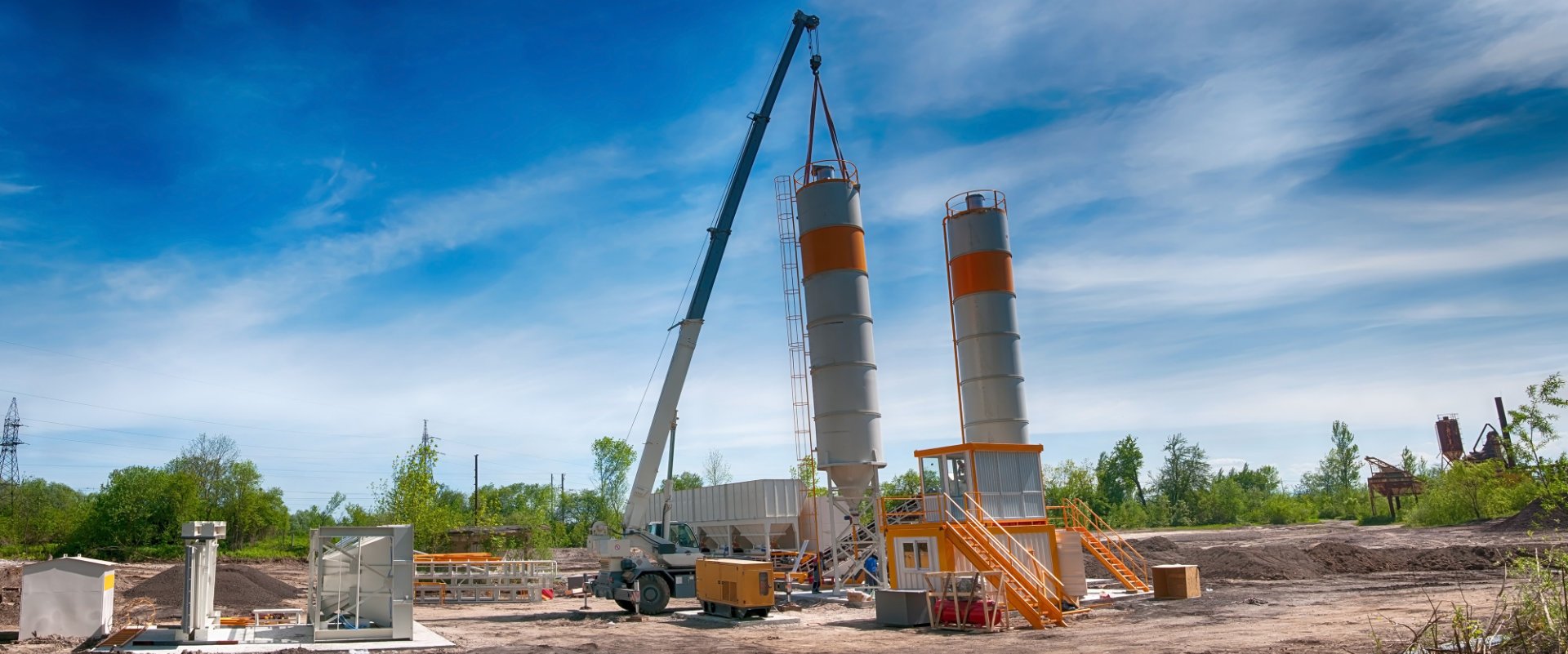
- The Production Zone: Locate the batching tower, cement silos, and aggregate bins in the center or rear. This contains the "industrial" footprint and simplifies dust management systems.
- The Green Buffer: Implementing a 5–10 meter greening belt between these zones significantly improves the site's environmental profile—a critical factor for securing permits in urban Southeast Asia or Eastern Europe.
2. Future-Proofing Your Production Capacity
Many investors choose a plant based on current needs (e.g., an HZS60) only to find that within 18 months, demand requires an HZS120. Tearing down a foundation to upgrade is a massive waste of CAPEX.
The "Double-Line" Strategy: Experience has shown that two parallel production lines (e.g., dual HZS90s) are often superior to one massive single line. This configuration offers:
- Redundancy: If one twin-shaft mixer requires maintenance, production continues on the second line.
- Flexibility: You can produce two different grades of concrete simultaneously without cross-contamination.
- Scalability: Prepare the foundation and site layout for two lines initially, even if you only install one today.
| Configuration | Annual Output Capacity (Est.) | Key Advantage |
|---|---|---|
| Single HZS180 Line | ~700,000 m³ | Lower initial footprint |
| Dual HZS90 Lines | ~750,000 m³ | Higher reliability & grade flexibility |
| Dual HZS120 Lines | ~1,000,000+ m³ | Ideal for major infrastructure/commercial hubs |
3. Traffic Logistics: Eliminating the "Dead-End" Bottleneck
The profitability of a belt conveyor type concrete batching plant depends on how fast mixer trucks can cycle. A "dead-end" road layout is a silent profit killer, leading to reversing accidents and engine idling costs.
The Circular Flow Model
To maximize throughput, your layout must facilitate a "one-way" circular traffic pattern:
- Entrance & Weighing: Trucks enter and hit the weighbridge without crossing paths with exiting vehicles.
- Loading Bays: Ensure there are at least three truck-lengths of queuing space before the discharge chute to prevent spillover into the main road.
- Unobstructed Aggregate Delivery: The path for heavy trucks delivering sand and stone must not intersect with the transit mixers' path. This is especially vital for high-volume sites in the Middle East where sand abrasion requires frequent, heavy deliveries.
4. Maintenance Accessibility
Never sacrifice maintenance space for a smaller footprint. Ensure there is at least 3–5 meters of clearance around the aggregate transfer bins and power units. In humid climates like Southeast Asia or cold regions in Russia, easy access for lubrication and sensor calibration is the difference between a 10-year and a 20-year equipment lifespan.
Are you planning a new site or upgrading an existing facility? Our engineering team can provide a customized CAD layout tailored to your specific land dimensions and production goals. Contact Xingye Machinery today for a technical consultation.
Related Posts :