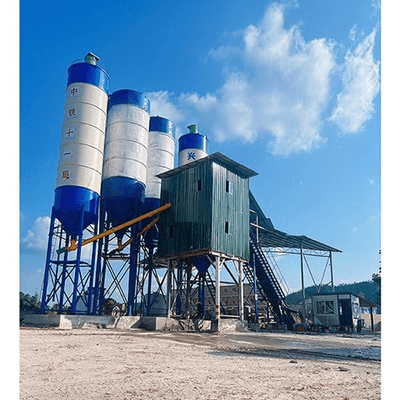
The Strategic Role of Concrete Batching Plants in Infrastructure
Why centralized mixing is the critical factor for project quality, cost control, and structural integrity.
In modern construction, the shift from site-mixed concrete to centralized batching is not just a trend—it is a requirement for structural integrity. Whether for a high-speed rail project in Southeast Asia or a skyscraper in Riyadh, the concrete batching plant (or mixing station) serves as the heart of the construction site, ensuring consistency that manual mixing simply cannot match.
Why Centralized Mixing is Essential for Large-Scale Projects
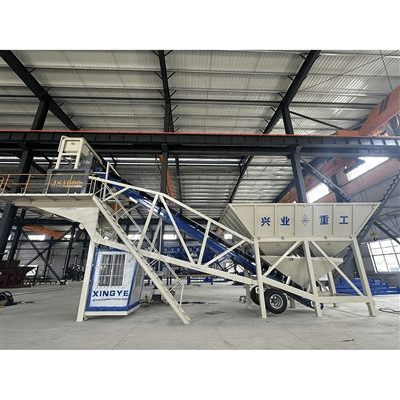
A concrete mixing station is a coordinated assembly of equipment designed to blend aggregates, cement, water, and admixtures with surgical precision. For projects with high concrete volumes—such as dams, bridges, and highways—the advantages of centralized production are three-fold:
- Uncompromising Quality Control: Automated systems eliminate human error in the mix ratio, ensuring every batch meets the required MPA strength and slump specifications.
- Operational Efficiency: High-capacity plants like the HZS90 or HZS120 can produce up to 120m³/h, significantly reducing labor costs and accelerating project timelines.
- Resource Conservation: Centralized storage in cement silos prevents material waste and protects raw materials from environmental degradation (moisture and wind).
Technical Classification: Choosing the Right Mixer
The core of any plant is the mixer. Understanding the difference between mixing technologies is vital for project managers focused on specific concrete grades.
| Mixer Type | Mechanism | Best Application |
|---|---|---|
| JS Series (Forced) | Twin-shaft forced mixing | Dry-hard concrete, low-slump mixes, high-strength structural parts. |
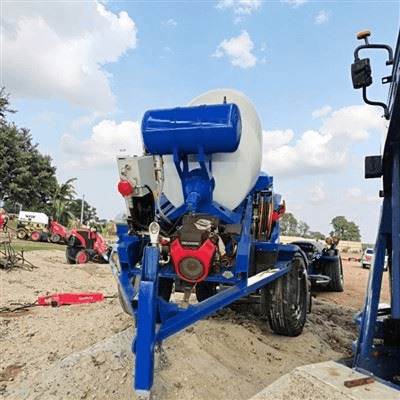
| Self-Falling | Gravity-based drum rotation | Large-volume plastic concrete, asphalt mixtures, and general-purpose builds. |
| Vertical Shaft | Planetary mixing action | Precast concrete components and high-precision decorative materials. |
Critical Safety and Maintenance Protocols
Operational downtime is the leading cause of budget overruns. To maintain a high Mean Time Between Failures (MTBF), Xingye Machinery recommends the following safety standards for cement silos and plant structures:
1. Silo Structural Integrity
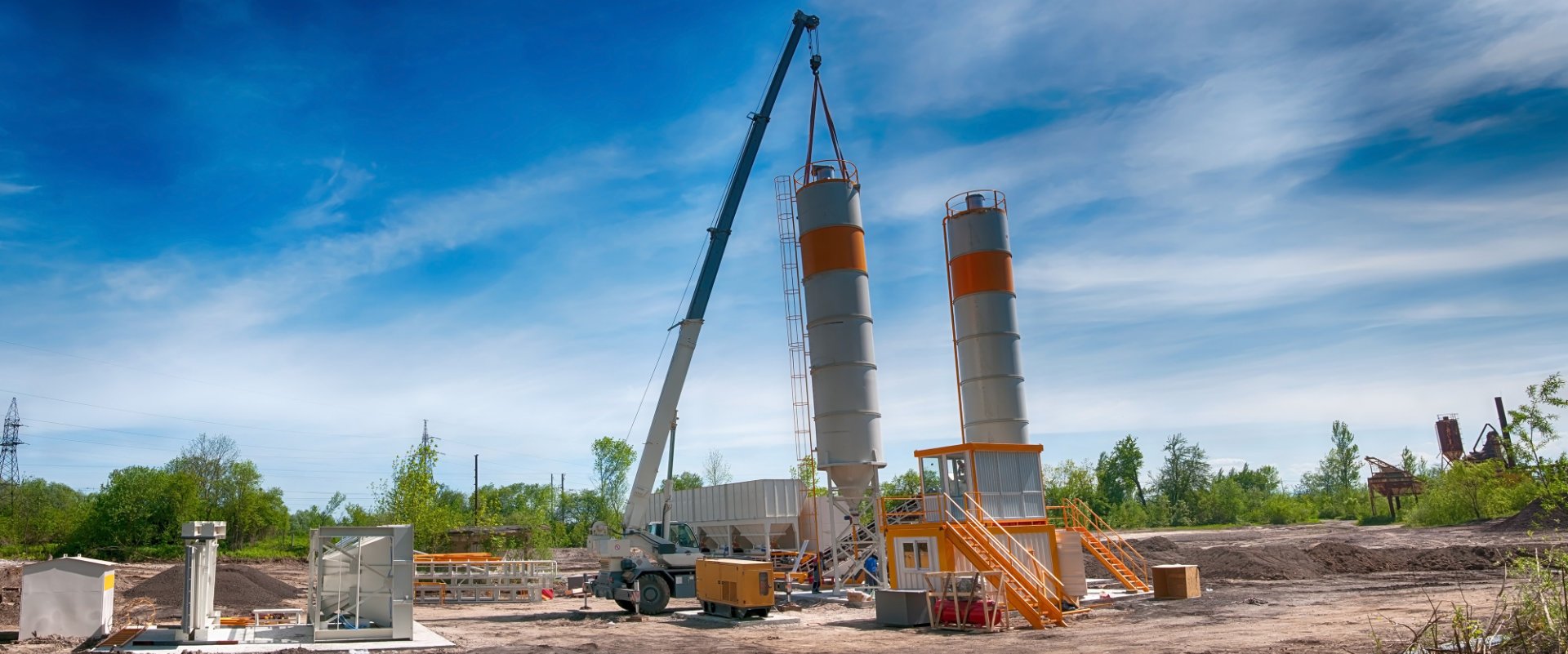
During installation, the silo body must be perfectly vertical. Any tilt can lead to uneven pressure distribution, causing structural fatigue or collapse. Support legs must be welded to anchor bolts that meet local seismic and wind-load standards.
2. Pressure Management and Explosion Prevention
A common engineering pain point is the "silo blow-out." This occurs when the dust collector bag is blocked, causing internal pressure to spike during pneumatic cement feeding. Ensure that pressure relief valves are tested weekly and dust collector bags are cleaned or replaced to maintain airflow.
3. Foundation and Lightning Protection
Given the height of H-shaped steel structures in mixing plants, they act as natural lightning rods. Professional grounding and lightning protection systems are mandatory to protect the sensitive PLC automation systems from electrical surges.
Optimizing Your Site Layout
The "purpose" of a plant is only fulfilled if the layout is efficient. A well-designed plant considers the turning radius of transit mixers, the reach of the aggregate loaders, and the proximity to the power grid. At Xingye Machinery, we provide tailored CAD layouts for our HZS series plants to ensure your site footprint is optimized for maximum throughput.
Looking to upgrade your production capacity? Explore our HZS Series Batching Plants or contact our engineering team for a custom configuration.
Related Posts :