Concrete Mixing Sequence: Prevent Shaft Sticking & Poor Homogeneity
The difference between high-strength concrete and a failed batch often lies in the 30 seconds of the feeding sequence.
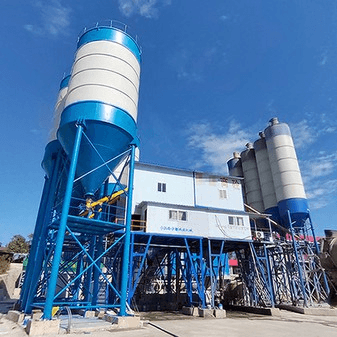
In high-volume construction projects across the Middle East and Southeast Asia, the reliability of a concrete batching plant is often judged by its output consistency. While modern HZS-series plants are highly automated, the underlying logic of the feeding sequence remains the most critical factor in preventing equipment damage and ensuring mix homogeneity.
Why the Feeding Sequence Matters
Incorrect loading doesn't just result in poor concrete; it leads to "shaft sticking"—where cement adheres to the twin-shafts of a JS-series mixer, increasing motor strain and requiring manual (and dangerous) cleaning. In humid climates, improper sequencing can also lead to the formation of "cement balls," where the core of the cement remains dry and unreactive.
Standard Mixing Time & Capacity Reference
| Mixer Model | Charging Volume | Standard Mixing Cycle | Rated Productivity |
|---|---|---|---|
| JS500 | 800L | 60-72s | 25m³/h |
| JS1000 | 1600L | 60s | 50-60m³/h |
| JS2000 | 3200L | 60s | 120m³/h |
The Professional Pre-Operation Checklist
Before initiating the batching cycle, engineers must verify three critical points to avoid catastrophic failure during the pour:
- Discharge Integrity: Check the discharge gate for slurry leakage. A worn seal in the discharge port can lead to segregation before the concrete even leaves the mixer.
- Signal Synchronization: Ensure the PLC feedback from the weighing sensors (load cells) is stable. Humidity in tropical regions can cause signal drift.
- Pneumatic Pressure: Verify that the air compressor provides sufficient pressure for the discharge gates and butterfly valves.
Optimizing the Feeding Process
1. The "Sand-Cement-Gravel" Sandwich
To maximize efficiency, the aggregate and cement should not be fed into the same pipe trough simultaneously. Crucially, never feed cement first. If cement hits the wet mixer floor or shafts before the aggregate, it creates a sticky paste that resists mixing.
The ideal sequence involves "sandwiching" the cement between layers of aggregate or mixing sand and cement briefly before adding water to ensure the cement is fully dispersed.
2. Handling Additives and Water
In high-heat environments like Saudi Arabia or the UAE, water timing is vital. Water should be introduced in a "wrap-around" fashion—starting slightly before the dry materials and continuing shortly after to flush the charging chute.
Post-Production: The Zero-Retention Rule
Residual material is the enemy of the next batch. At the end of a shift, or during a sudden power outage (a common challenge in remote African sites), the following steps are mandatory:
- Internal Scouring: Run a cycle with a small amount of clean gravel and water. The gravel acts as an abrasive to scrub the JS-series mixer blades.
- Manual Clearance: If a fault occurs while the mixer is full, the material must be discharged manually immediately to prevent the concrete from setting inside the drum.
- Drainage Check: Ensure all drainage pipes are clear of slurry to prevent blockages during the next startup.
At Xingye Machinery, our HZS-series plants are designed with customizable PLC logic to allow engineers to fine-tune these sequences based on local aggregate conditions and chemical admixtures. For detailed CAD layouts or technical specifications on our JS-series forced mixers, contact our engineering department today.
Related Posts :