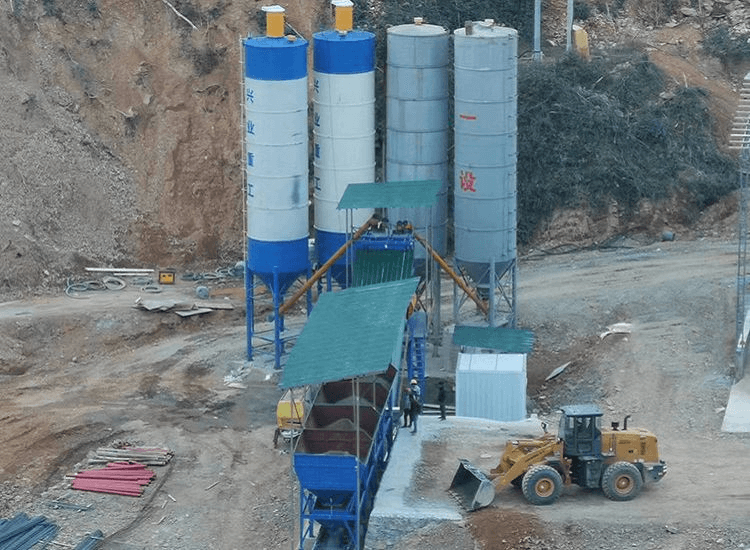
Why Your Concrete Plant Underperforms: 5 Critical Output Factors
Bridge the gap between your plant's rated nameplate capacity and actual hourly production.
In the world of heavy construction, the "nameplate capacity" of a concrete batching plant—whether it's an HZS60 or an HZS180—is often treated as a guaranteed figure. However, project managers frequently find that a plant rated for 120m³/h may only deliver 90m³/h in the field. This "output gap" can derail project timelines and inflate operational costs.
At Xingye Machinery, we’ve analyzed performance data across hundreds of sites in the Middle East, Southeast Asia, and Africa. Here are the five critical factors that determine your actual hourly throughput.
1. Equipment Configuration and Component Synergy
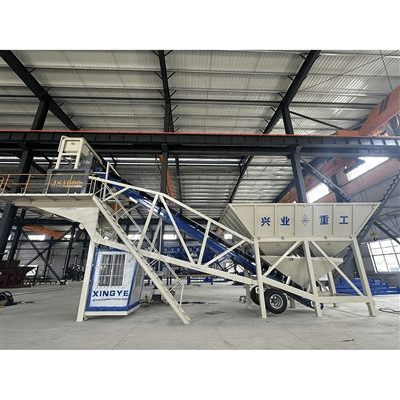
The output of a batching plant is only as fast as its slowest component. While the JS-series twin-shaft mixer is the heart of the plant, bottlenecks often occur elsewhere:
- Screw Conveyor Speed: If the cement feeding system cannot keep up with the mixing cycle, the mixer sits idle.
- Aggregate Bin Gates: Slow-acting pneumatic cylinders can add 3–5 seconds per batch, which compounds into significant losses over a 10-hour shift.
- Mixer Model: Ensuring your JS mixer is correctly paired with the batching aggregate bins is vital for maintaining a continuous flow.
2. Raw Material Logistics and Consistency
Your plant cannot produce what it doesn't have. Inconsistent supply chains are the leading cause of "dry cycles."
| Material Challenge | Impact on Output | Engineering Solution |
|---|---|---|
| High Moisture in Sand | Increases mixing time to achieve slump | Integrated moisture sensors for real-time adjustment |
| Poor Aggregate Grading | Causes "clumping" in the mixer | Optimized blade angles in JS mixers |
| Cement Aeration Issues | Slows down weighing and discharge | Fluidizing pads and vibrators in cement silos |
3. Automation and Operator Proficiency
Modern HZS batching plants feature fully automated PLC control systems. However, the human element remains a variable. An inexperienced operator might manually override cycles or fail to optimize the "drop" sequence. High-performance plants utilize "smart batching" software that predicts material "in-flight" weight, reducing the need for slow "jogging" of the feed gates as the target weight is reached.
4. Environmental and Regional Variables
Operating conditions vary wildly by geography, affecting equipment performance:
- Hot Climates (e.g., Saudi Arabia, UAE): High ambient temperatures require chilled water systems. If the cooling capacity is insufficient, the entire batching process must slow down to prevent concrete flash-setting.
- High Humidity (e.g., Philippines, Vietnam): Moisture in the air can cause cement clumping in the scales. Xingye Machinery utilizes specialized venting and filtration to mitigate these effects.
5. Maintenance and Calibration Drift
A plant that is not calibrated is a plant that is losing money. Wear and tear on mixer liners and blades increases the "dead zone" in the mixing drum, requiring longer cycle times to achieve homogeneity. Regular 10,000-hour MTBF (Mean Time Between Failure) checks on motors and gearboxes are essential to prevent unplanned downtime.
Optimize Your Production Today
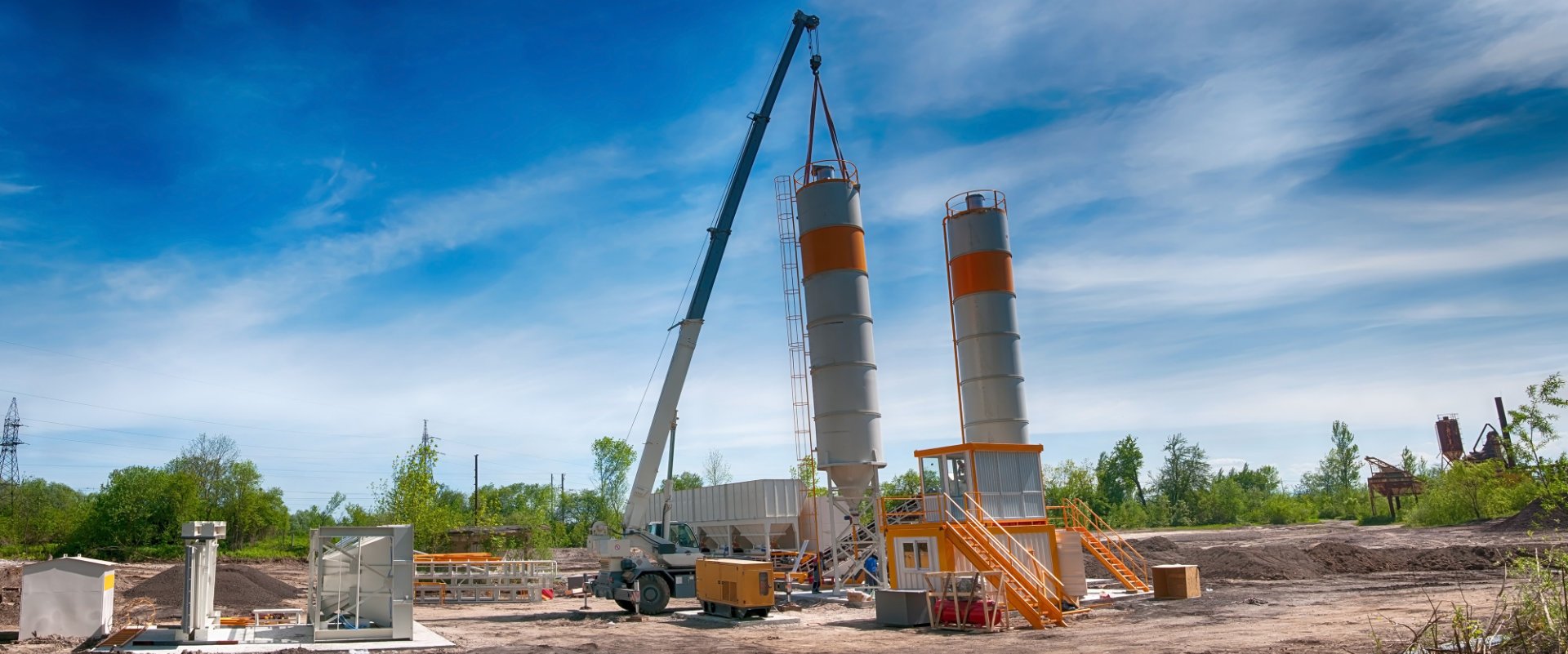
Closing the output gap requires a combination of robust hardware and intelligent operation. Whether you are looking to upgrade your current JS1000 mixer or are planning a new HZS120 stationary plant, our engineering team can provide a site-specific throughput analysis to ensure you hit your targets.
For technical specifications or a custom plant layout, contact our technical department or explore our HZS Series Batching Plants.
Related Posts :